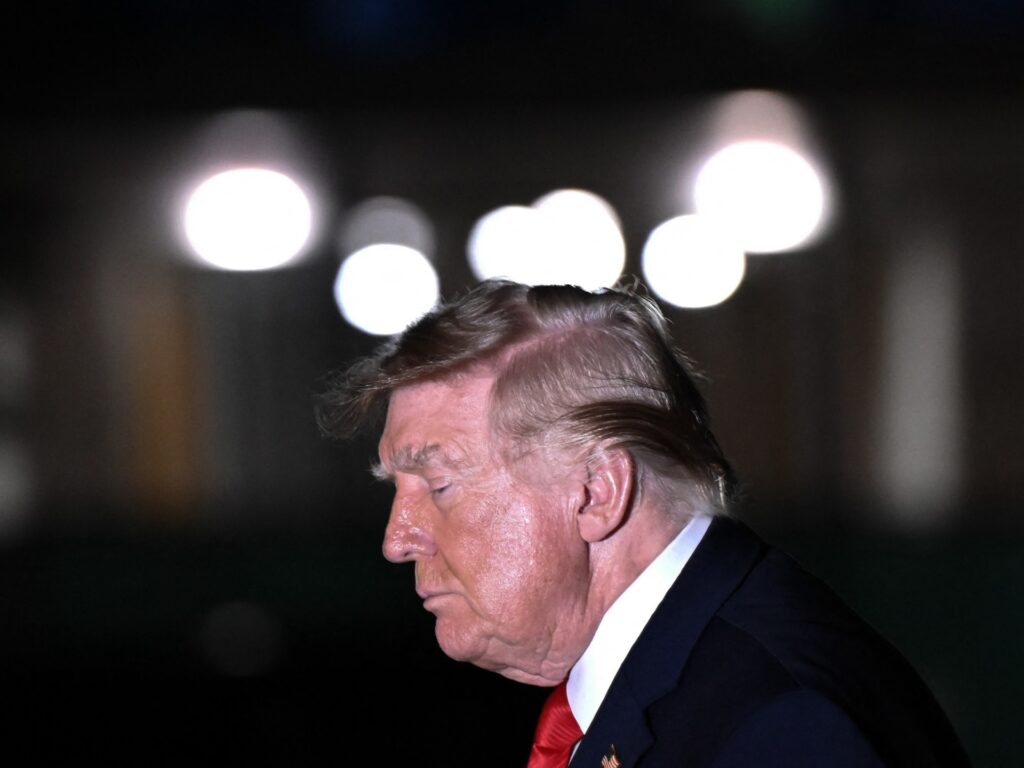
A recent poll has revealed that a majority of US adults believe that President Donald Trump and his family have inappropriately profited from his presidency, prioritizing personal wealth over public service. The survey highlights significant public concern regarding ethical issues and potential conflicts of interest arising from Trump’s business dealings during his time in office.
The poll, conducted by a reputable polling organization, interviewed thousands of Americans across diverse demographics to gauge their opinions on the president’s financial motivations. Results show that more than half of the respondents perceive Trump’s actions and those of his family as driven by personal financial gain rather than national interest.
This widespread impression stems from various reports and investigations outlining how the Trump Organization’s business ventures continued alongside the president’s political role. Critics have long argued that this dual role posed risks of mixing public policy decisions with private business interests, potentially undermining democratic principles.
Among the main issues raised were allegations that Trump’s hotels and properties profited from government and foreign dignitaries who sought to curry favor with the administration. Furthermore, there is concern about the use of the presidency as a platform to enhance the Trump brand, complicating the clear distinction between official duties and private enterprise.
The poll also touched on the broader implications for political accountability and transparency. Many respondents expressed worry that such conflicts of interest could erode trust in public institutions and set dangerous precedents for future officeholders.
Despite these concerns, Trump’s supporters have maintained that his business acumen is an asset that benefits the country, arguing that his wealth provides independence from special interests. Nonetheless, this viewpoint appears to be outweighed by the perceptions captured in the new survey.
Legal experts and ethics watchdogs have pointed out that the lack of a comprehensive blind trust or divestment from his business holdings while in office constituted a major departure from established norms for presidential conduct.
The debate over Trump’s financial priorities and ethical standards remains highly polarized, reflecting the deep political divides in the United States. However, the poll underscores a notable trend in public opinion that could influence future discussions about presidential ethics reforms.
In response to the poll, several advocacy groups have called for increased scrutiny and stronger legislation to prevent conflicts of interest among elected officials. They argue that ensuring clear boundaries between personal wealth and public duty is essential to maintaining the integrity of American democracy.
This latest poll serves as a barometer of public sentiment toward the intersection of money and power in the nation’s highest office. Whether it translates into concrete policy changes or shifts in political dynamics remains to be seen, but the message from the American people is clear: many perceive that Trump’s presidency prioritized personal gain over the nation’s well-being.