According to the latest United Nations report, 2025 was marked by an unprecedented surge in attacks targeting aid workers worldwide. The report highlights that humanitarian personnel faced the highest recorded number of violent incidents, underscoring the increasing dangers they confront while delivering critical services in conflict zones and disaster-affected areas.
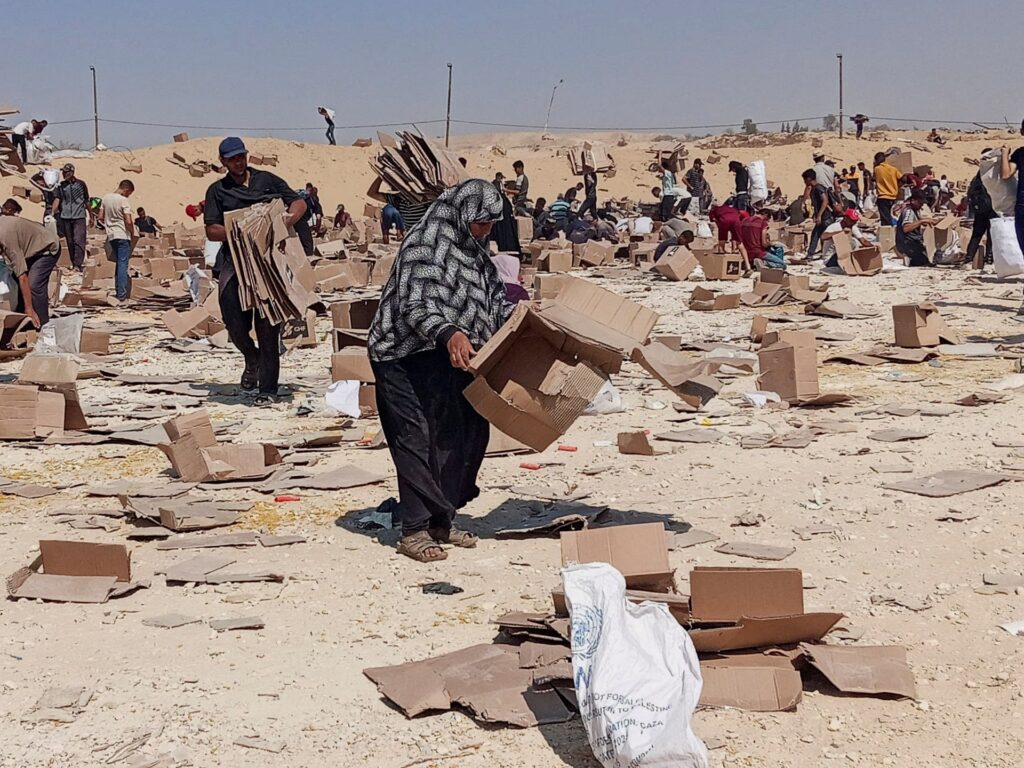
Among the regions reported, Gaza stands out as the most perilous environment for humanitarian workers for the third consecutive year. The number of aid workers killed in Gaza reached a staggering 186 in 2025, a testament to the extreme risks faced by those operating in one of the world’s most volatile hotspots.
The UN’s findings reveal a troubling global trend where aid workers are increasingly subjected to violence, including assaults, kidnappings, and homicides. This hostile environment severely hampers the ability of humanitarian organizations to provide essential aid such as medical care, food, shelter, and protection to vulnerable populations.
Experts attribute the rise in attacks to a variety of factors, including escalating conflicts, political instability, and growing mistrust of international actors in certain regions. The report calls for urgent international action to bolster protections for aid workers and ensure their safety.
Humanitarian organizations have expressed grave concern over the deteriorating security conditions, warning that sustained violence against their staff could lead to reduced field operations and exacerbate humanitarian crises. Many have urged governments and armed groups to respect international humanitarian law and guarantee safe access for aid delivery.
Despite these challenges, aid workers remain dedicated to their missions, often working under extreme conditions to assist those in dire need. The UN report includes recommendations aimed at enhancing security protocols, strengthening accountability mechanisms, and fostering greater cooperation between host countries and humanitarian agencies.
The global community’s response to these alarming statistics will be critical in shaping the future of humanitarian work. Protecting aid workers is not only a matter of safeguarding their lives but also imperative to maintaining the flow of aid to millions of people affected by conflict and disaster worldwide.
With Gaza continuing to be the deadliest place for aid workers, international pressure mounts to find durable solutions to the conflicts and challenges that imperil those who strive to help others. The 2025 report serves as a stark reminder of the high price paid by humanitarian workers and the urgent need to intensify efforts to protect them globally.