Former U.S. President Donald Trump’s renewed gestures toward North Korean leader Kim Jong Un have sparked widespread analysis and speculation. This surprising warming of relations between two historically antagonistic figures is best understood through the lens of political signaling, both to Pyongyang and to Washington’s regional ally, Seoul.
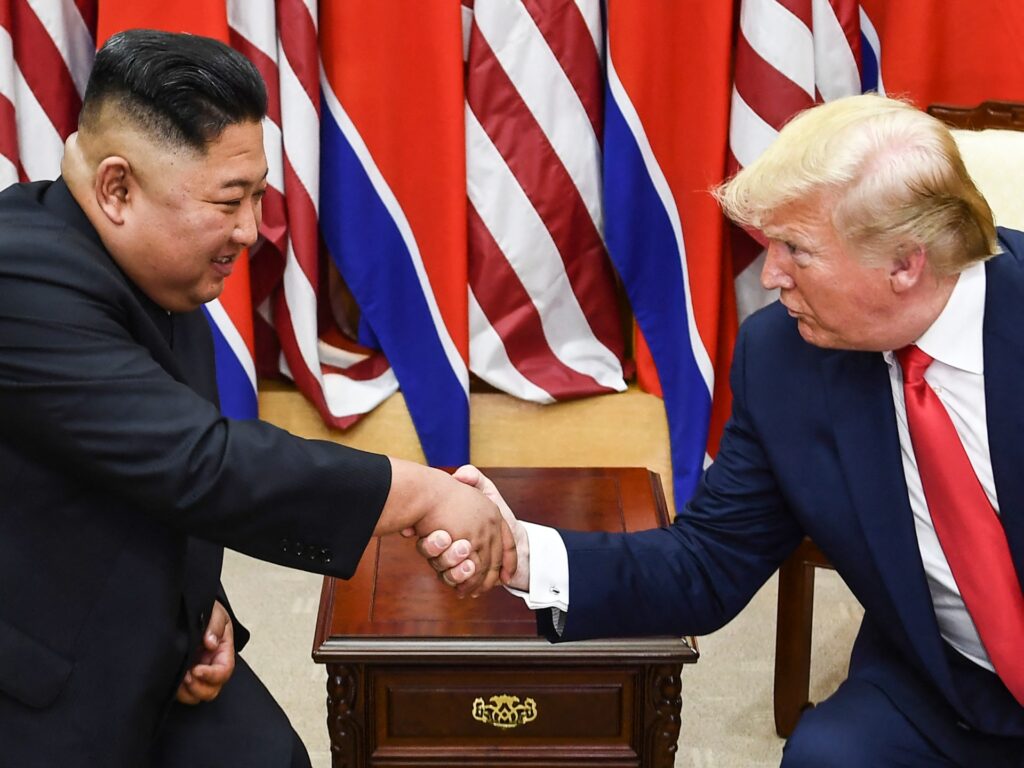
Trump’s initial approach to North Korea was marked by unprecedented direct talks and summits, shaking years of diplomatic deadlock. Though these negotiations ultimately bore little lasting fruit on denuclearization, they symbolized a dramatic shift in U.S. foreign policy tactics toward the regime. Now, under complex geopolitical pressures and evolving domestic circumstances, Trump appears to be revisiting this strategy.
Analysts point out that Trump’s ‘tit for tat’ approach is likely aimed at leveraging diplomatic engagement to assert influence over the Korean Peninsula. By reaching out to Kim, Trump signals to North Korea that the U.S. might be open to détente if Pyongyang shows cooperation, especially amidst ongoing sanctions and international isolation.
At the same time, this strategy sends a message to South Korea. Seoul, which remains a key U.S. ally in the region, has been actively pursuing peaceful inter-Korean dialogue. Trump’s moves could serve to reinforce that the U.S. remains committed to peace and stability in the peninsula, while also reminding South Korea of America’s strong role in regional security dynamics.
Moreover, Trump’s rapprochement can be seen as a tactical maneuver in broader geopolitical contests involving China, Russia, and Japan, all heavily interested in the Korean Peninsula’s future. Re-engaging with North Korea allows Trump to recalibrate alliances and counterbalance influence in East Asia.
Domestic political considerations also play a vital role in this shift. For Trump, engaging with Kim Jong Un projects an image of a strong leader capable of negotiating with difficult adversaries. This approach appeals to his political base and enhances his foreign policy credentials.
Critics, however, remain skeptical about the efficacy of rekindling relations with Pyongyang without concrete commitments on denuclearization or human rights improvements. They caution that such moves, if not carefully calibrated, could undermine longstanding international sanctions and embolden North Korea’s aggressive posture.
Nevertheless, the ‘tit for tat’ diplomacy exemplifies a complex interplay of strategy, signaling, and political calculation. It underscores how leadership on the Korean Peninsula continues to be a focal point of intense diplomatic maneuvering with far-reaching implications for global security.
In sum, Trump’s renewed overtures toward Kim Jong Un represent more than simple nostalgia for past diplomacy. They reflect a deliberate effort to influence North Korea’s behavior, reassure regional allies, and position the U.S. strategically in a volatile and critical Asian hotspot.