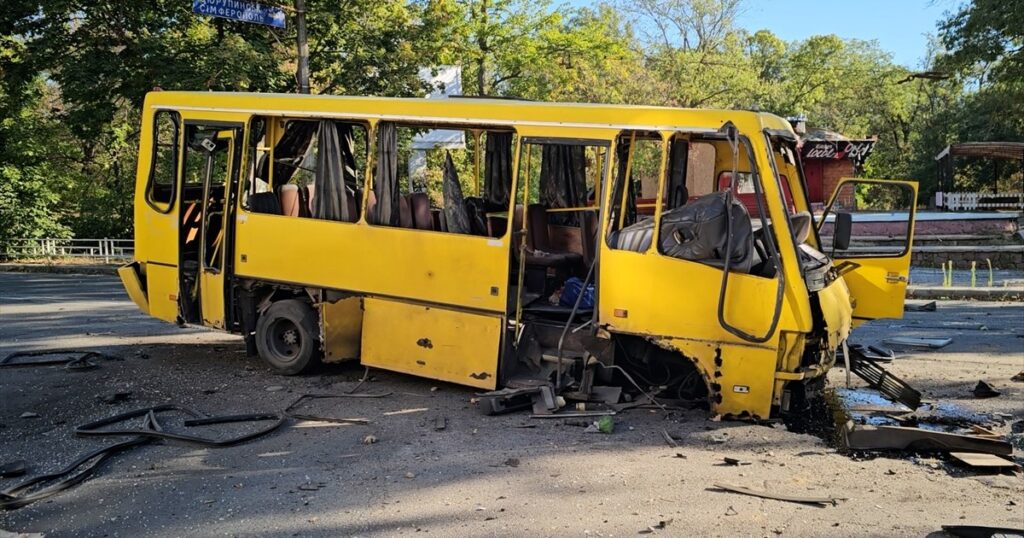
In the latest developments in the ongoing conflict between Russia and Ukraine, at least five individuals have been reported killed due to Russian air strikes targeting various locations within Ukraine. The strikes mark a continuation of the intense military engagements between the two nations.
According to Russia’s Defence Ministry, overnight operations included significant drone warfare activities. It was reported that Ukrainian forces deployed a total of 453 drones across multiple regions, underscoring the scale and intensity of the aerial assaults.
The Russian military claims to have successfully downed all 453 Ukrainian drones during this period, highlighting the effectiveness of their air defense systems. The Ministry emphasized that these defensive measures were crucial in mitigating the impact of the large drone fleet deployed by Ukraine.
The use of drones has become a prominent feature in the ongoing conflict, with both sides increasingly relying on unmanned aerial vehicles (UAVs) for reconnaissance, targeting, and assault missions. The high number of drones deployed by Ukraine overnight reflects a strategic attempt to challenge Russian air defenses and gain tactical advantage.
The strikes have resulted in casualties and damages in the affected areas, though the full extent of the impact remains uncertain amid the fog of war. Local authorities and healthcare services are reportedly dealing with the aftermath of the attacks, including providing aid to the injured and managing emergency situations.
International observers and humanitarian organizations continue to monitor the situation closely, expressing concern over the escalating violence and its toll on civilian populations. The conflict, which entered a new phase of escalation recently, poses significant risks to regional stability and peace.
This latest episode of air attacks and drone warfare reflects the evolving nature of modern conflict, where technological advancements play a pivotal role in military tactics. The deployment of hundreds of drones in a single operation is indicative of the increasing reliance on unmanned systems to conduct and counteract offensive maneuvers.
As the situation develops, both military analysts and the global community await further information and updates from on-the-ground sources. Efforts towards de-escalation and diplomatic resolution remain critical to prevent further loss of life and destruction.
The international community continues to call for restraint and dialogue, hoping to see a cessation of hostilities and a path toward a sustainable peace agreement. Meanwhile, the people affected by the conflict endure the harsh realities of war with resilience and hope for a better future.