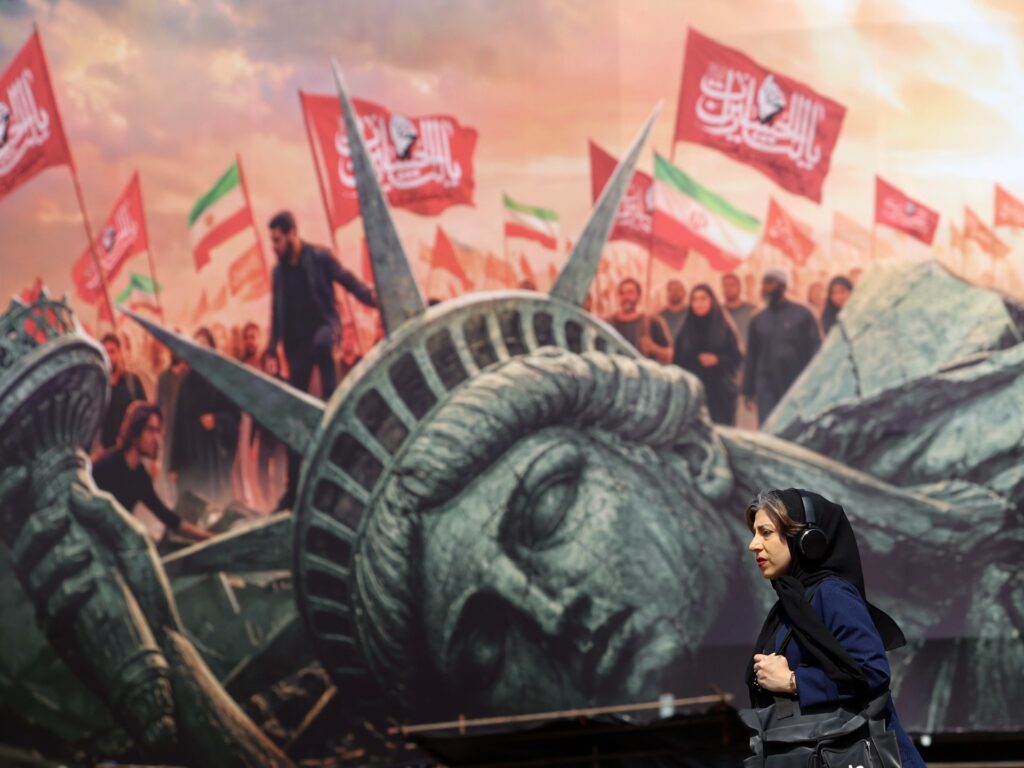
Former President Donald Trump has made a startling revelation, asserting that the United States is currently in direct contact with the Islamic Revolutionary Guard Corps (IRGC) of Iran. This development comes amid ongoing tensions and conflicts involving Iran. Trump emphasized that while there are communications, he denied any rush by the US government to end the hostilities prematurely, particularly ahead of the November midterm elections in the United States.
In a recent statement, Trump called on Iran to surrender, implying that the US holds a position of strength in the ongoing standoff. This call to surrender highlights the escalating claims and rhetoric from the US side regarding the conflict’s direction. The IRGC, a central military and political force in Iran, has been a focal point in US-Iran relations given its influence and activities in the region.
Trump’s comments suggest a complex diplomatic engagement, with backchannel communications potentially playing a role in managing the conflict. Such contact between the US and IRGC is significant, given the long-standing adversarial relationship between the two entities. Historically, the US has designated the IRGC as a terrorist organization, and open dialogue has been scarce and highly sensitive.
The timing of these revelations is notable, coming just months before the US midterm elections. Trump’s dismissal of any intention to fast-track an end to the conflict before November indicates that the issue remains a deeply entrenched and strategically calculated matter.
Analysts suggest that the contact could be part of efforts to de-escalate tensions or to gather intelligence on IRGC’s intentions and capabilities. However, the call for Iran to surrender adds a layer of provocation and firmness to the US stance, potentially complicating diplomatic efforts.
The IRGC, tasked with safeguarding Iran’s Islamic revolution, wields significant power both internally and across the Middle East through various proxy groups. Their involvement in regional conflicts has long been a source of contention with the US and its allies.
Trump’s declaration of contact with the IRGC contrasts with the Biden administration’s approach to Iran, which has been more focused on returning to diplomacy over Iran’s nuclear program. This divergence underscores the complex and multifaceted nature of US-Iran relations.
Globally, this news has sparked discussions on the stability of the region and the potential for escalation if diplomacy fails. The international community remains watchful, hoping for a peaceful resolution but preparing for contingencies.
In summary, Trump’s assertion of direct US-IRGC contact coupled with his call for Iran’s surrender marks a critical and controversial episode in the ongoing saga of Middle East geopolitics. As the November midterms approach, the US administration’s handling of this sensitive situation will undoubtedly be under intense scrutiny both domestically and internationally.