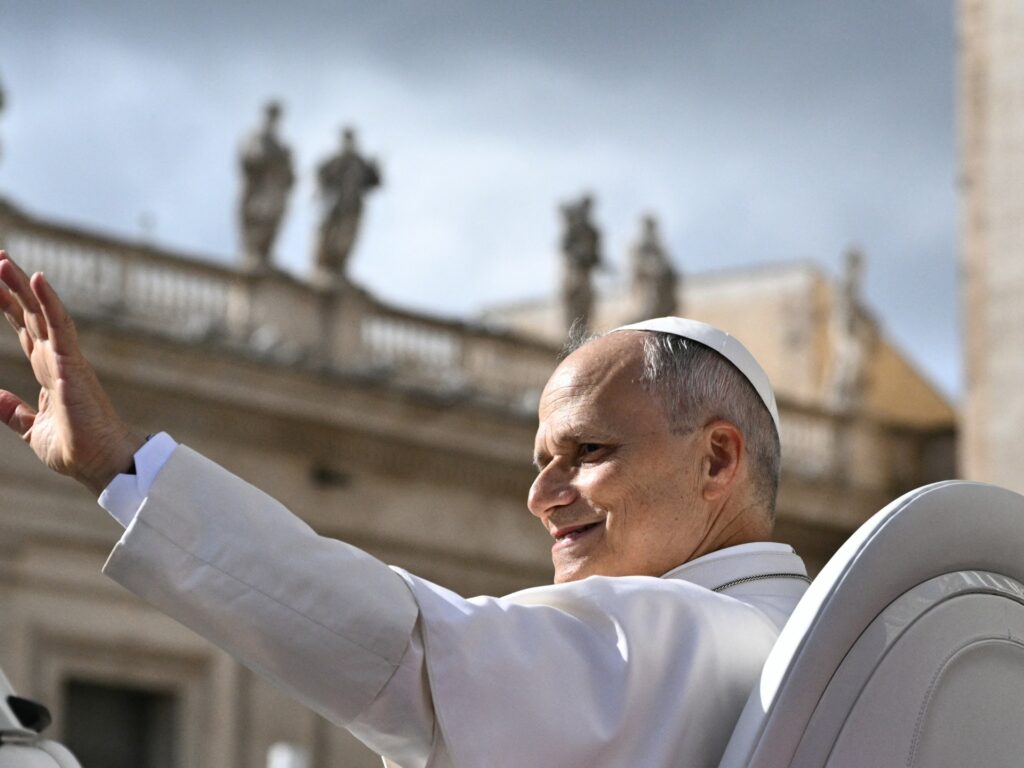
Pope Leo, the 71-year-old leader of the Catholic Church, has recently undergone a significant surgical procedure in which the lower lobe of his right lung was removed. Medical professionals involved in his care have confirmed that the operation was successful and that the Pope does not require any further treatment for cancer following the surgery.
The surgery was performed as a precautionary and curative measure after doctors diagnosed a cancerous condition in the lung. Given the delicate nature of such operations, especially for a person of his age and stature, the successful removal of the affected lobe is a positive outcome for the Pope’s health.
Doctors have indicated that the surgical intervention has effectively addressed the medical issue, and there is no need for chemotherapy, radiation, or other cancer-related treatments at this time. This news brings relief not only to the Pope himself but also to millions of followers around the world who have been concerned about his health.
The Catholic Church has also expressed gratitude towards the medical team for their skilled care and has assured the faithful that the Pope’s condition is stable and improving. The Church continues to hold him in their prayers and support during his recovery period.
Pope Leo’s recovery will be closely monitored by healthcare professionals, with regular check-ups to ensure his lung function remains strong and that there is no recurrence of cancer. Medical experts note that such lung surgeries, when performed timely, can be curative and allow patients to return to their normal activities with minimal disruption.
Throughout his recovery, the Pope is expected to maintain a lighter schedule to facilitate healing. Supporters and religious leaders worldwide have sent messages of hope and solidarity, emphasizing the important role he plays as a spiritual leader.
This event also sheds light on the importance of early diagnosis and proactive treatment of lung conditions. Lung cancer remains one of the leading causes of cancer-related deaths globally, but advancements in surgical techniques and post-operative care have significantly improved patient outcomes.
The Pope’s case highlights the success of modern medicine in managing even serious health challenges effectively. His resilience and the expert care he received serve as an inspiring example to many facing similar health issues.
In summary, Pope Leo’s successful lung surgery and the absence of the need for further cancer treatment mark a hopeful chapter in his life and ministry. His health progress will continue to be a subject of interest and prayers within the global Catholic community as he resumes his spiritual leadership duties with renewed strength and health.