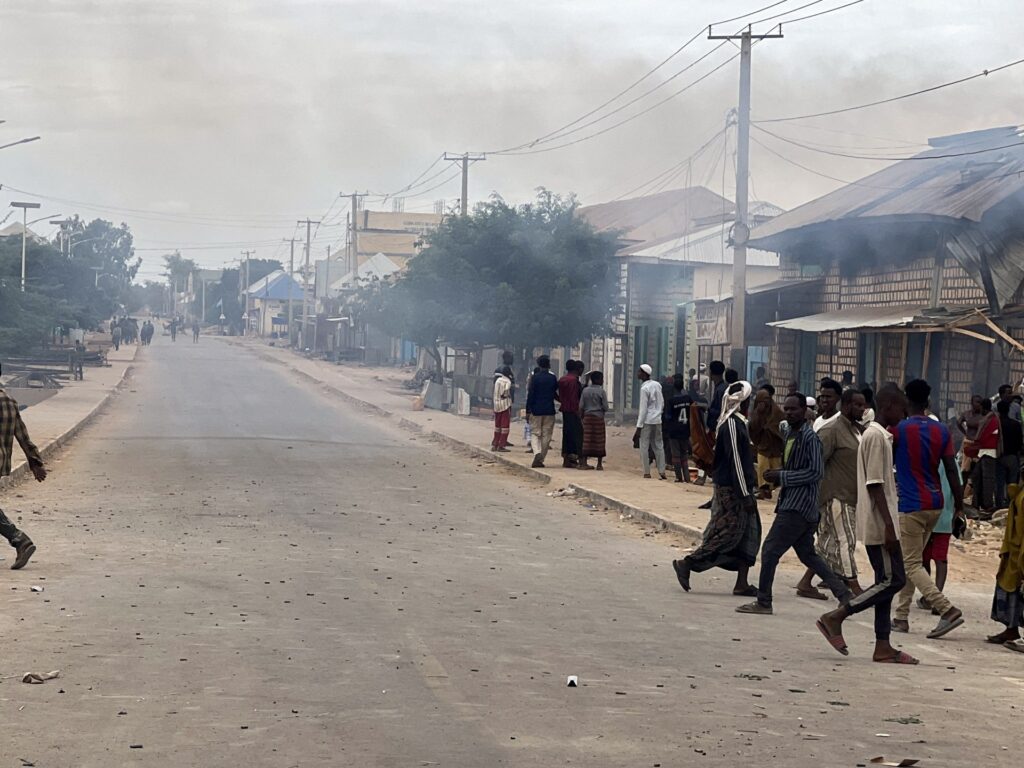
In a significant conflict unfolding in Baidoa, Somali army forces engaged in intense clashes with rebel fighters, vying for control of the strategic city. The confrontation resulted in fierce fighting marked by the use of explosives, underscoring the high stakes of this battle.
Baidoa, a key city in Somalia, has become a focal point due to its strategic importance in the region. Control over Baidoa is crucial for both the government and rebel factions, as it serves as a vital hub for political and military influence.
The Somali forces successfully repelled the rebel fighters after sustained combat operations. The use of explosives during the clashes highlights the severity and intensity of the conflict, which caused significant destruction and instability in the city.
Dozens of casualties were reported on both sides, reflecting the brutal nature of the fighting. Medical facilities in Baidoa struggled to cope with the influx of wounded, sparking concerns about the humanitarian impact on the local population.
The Somali government has condemned the rebel attacks, emphasizing its commitment to restoring peace and order in the region. Authorities have deployed additional troops and resources to secure the city and prevent further rebel advances.
Local residents expressed fear and uncertainty amid the violence, with many seeking refuge away from the conflict zones. The disruption of daily life, including shortages of essential supplies and services, has added to the hardships faced by civilians.
International observers have called for restraint from all parties involved and urged for a peaceful resolution to the conflict. The situation in Baidoa remains volatile, with ongoing efforts to negotiate ceasefires and reduce hostilities.
The clashes in Baidoa are part of a larger pattern of instability in Somalia, where various armed groups continue to challenge the government’s authority. The conflict highlights the broader challenges of achieving lasting peace and security in the region.
Efforts by the Somali government, supported by international allies, aim to strengthen the military’s capacity to combat rebel insurgencies and restore control over contested areas.
Humanitarian organizations are mobilizing to provide aid and support to those affected by the fighting, focusing on medical care, food distribution, and shelter for displaced persons.
The international community remains attentive to the developments in Baidoa, recognizing the city’s significance in Somalia’s political and security landscape.
As the Somali army consolidates its hold on Baidoa, the focus shifts toward rebuilding the city’s infrastructure and addressing the needs of its residents.
The government has called for national unity and resilience in the face of ongoing threats from rebel factions, emphasizing the importance of cooperation among Somali citizens.
While the recent clashes have shaken Baidoa, the determination of Somali forces to maintain control signals a critical step toward stabilizing the region.
Analysts note that the outcome of this confrontation could have far-reaching implications for Somalia’s stability and the broader Horn of Africa.
Efforts to engage in dialogue with rebel groups continue, aiming to find political solutions that address the root causes of the conflict.
The Baidoa clashes serve as a stark reminder of the enduring challenges facing Somalia and the urgent need for sustained peacebuilding initiatives.
Continued vigilance and support from the international community remain vital to ensuring that the gains made by Somali forces are preserved and expanded.
The situation in Baidoa will likely influence future security policies and the strategic approach of Somali authorities in managing rebel threats.
In summary, the Somali army’s success in repelling rebel fighters in Baidoa marks a significant development in the ongoing struggle for control over the city, highlighting both the immediate challenges and the long-term efforts necessary to achieve stability and peace in the region.