Earthquakes have long fascinated and troubled humanity due to their sudden and often devastating impacts. As we progress into the year 2026, many are asking: is the world experiencing more earthquakes today than in the past? By examining a decade of comprehensive earthquake data and understanding the mechanisms behind seismic activity, we can shed light on how 2026 compares to previous years and explore the factors influencing earthquake occurrences.
**Understanding Earthquakes**
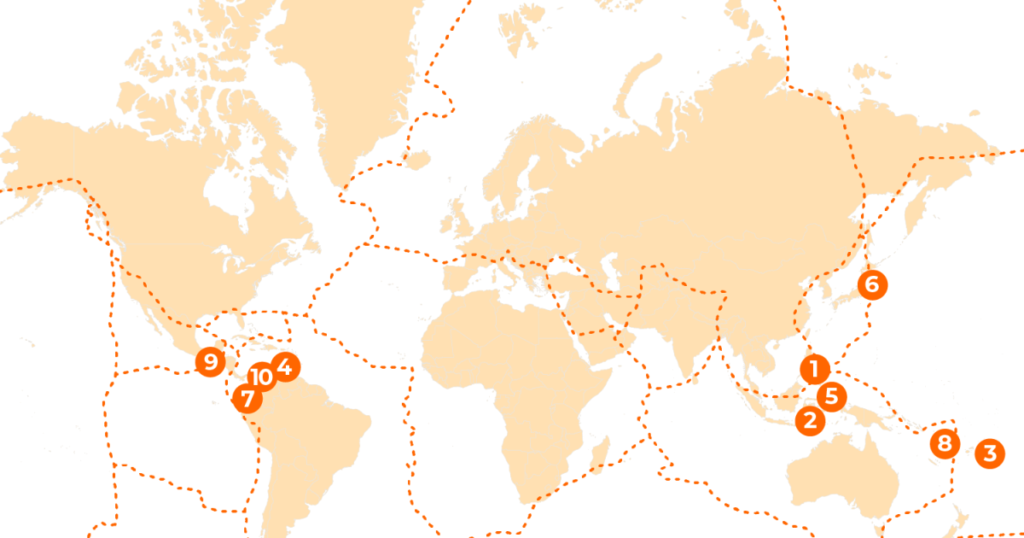
Earthquakes occur when the Earth’s tectonic plates—massive slabs of the planet’s crust—shift and collide or slide past each other. These movements build up stress along faults that, when released, cause the ground to shake. Seismic activity is largely driven by plate tectonics and is therefore concentrated in specific regions known as seismic zones or earthquake belts.
**Decade of Data Analysis**
Over the last ten years, global monitoring networks have improved significantly with better seismographs and satellite technology, enhancing the detection and recording of earthquakes worldwide. This improved monitoring means more events are being recorded, including smaller tremors that might previously have gone unnoticed.
When analyzing data from 2016 to 2025, seismologists noted fluctuations in yearly earthquake counts with no consistent upward or downward trend. The year 2026, although still unfolding, shows patterns similar to recent years with multiple moderate to strong earthquakes recorded, but no significant spike to suggest an unprecedented increase. Experts caution that natural variability plays a significant role, and short-term increases in earthquake counts can occur due to clustered seismicity.
**Where Do Earthquakes Strike?**
Most earthquakes strike along the Pacific Ring of Fire—a horseshoe-shaped zone around the Pacific Ocean basin known for intense volcanic and seismic activity. Countries like Japan, Indonesia, Chile, and the western United States frequently experience earthquakes due to their location along tectonic boundaries. Other notable seismic zones include the Himalayan belt, the Mediterranean region, and parts of the Middle East.
**Are Earthquakes Increasing Due to Other Factors?**
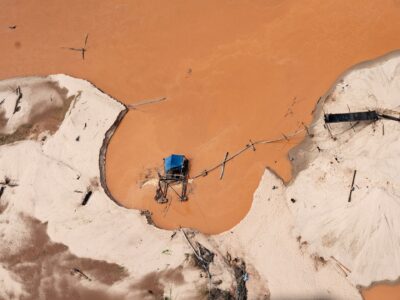
While human activities such as mining, reservoir-induced seismicity, and hydraulic fracturing can trigger small earthquakes, these induced events remain minor compared to natural earthquakes. Climate change does not currently have a proven direct impact on earthquake frequency, although related phenomena like glacier melting can influence seismic activity indirectly in some regions.
**Conclusion**
The perception that earthquakes are increasing globally is influenced by better detection technology, increased media coverage, and occasional clusters of seismic events. The data from the past decade, including the early part of 2026, suggests that earthquake frequency remains within expected natural variability. Understanding where and why earthquakes strike helps communities prepare better and reduce risks, but it does not indicate a clear trend of increasing worldwide earthquakes at this time.