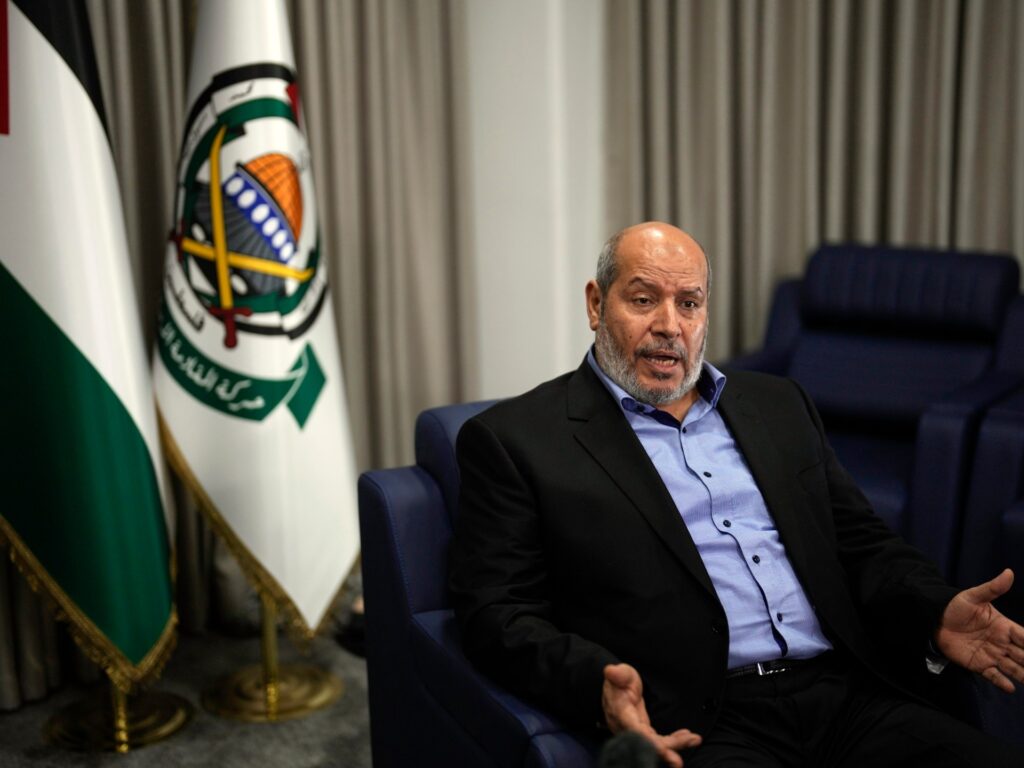
In a significant diplomatic move amid escalating tensions in Gaza, Hamas leader Khalil al-Hayya has traveled to Cairo to engage in high-level discussions. Scheduled to meet with Egyptian intelligence chief Hassan Rashad, these talks underscore the urgency of addressing the multifaceted conflict impacting Gaza and the broader region.
The visit comes at a pivotal moment, coinciding with an impending visit by Jared Kushner, a senior adviser formerly to the U.S. President, known for his involvement in Middle Eastern peace initiatives. The timing signals a potential opening for renewed dialogue and possibly coordinated efforts to manage or de-escalate ongoing hostilities.
Hamas, the Islamist political and militant group that governs Gaza, has faced intense international scrutiny amid recent clashes and blockades that have severely affected the residents of Gaza. Diplomatic engagement through Egypt, a key regional player with leverage over Gazan affairs, reflects a strategic attempt to navigate the complex landscape of regional alliances and rivalries.
Egypt’s role as a mediator is crucial due to its geographic proximity and political connections, which place it uniquely as a conduit for negotiations between Hamas and various international stakeholders. Hassan Rashad’s involvement is indicative of the high-level nature of the discussions, focusing not only on immediate ceasefire possibilities but also on longer-term stability in the region.
The discussions are expected to cover humanitarian aid, security arrangements, and political dialog aimed at reducing tensions and preventing further violence. The humanitarian situation in Gaza remains dire, with many international organizations calling for urgent relief efforts to support civilians caught in the conflict zone.
Analysts suggest that al-Hayya’s visit to Cairo may also seek to solidify unified Palestinian positions ahead of Kushner’s visit, potentially influencing subsequent negotiations between Palestinian factions and Israel. This alignment could be pivotal in shaping the future peace process and in addressing the fragmented nature of Palestinian political leadership.
Moreover, this diplomatic engagement might impact regional dynamics, including the roles of other neighboring countries and international powers involved in Middle Eastern geopolitics. Egypt’s mediation efforts are expected to be closely watched by stakeholders worldwide, given the enduring significance of Gaza in the broader Israeli-Palestinian conflict.
As Khalil al-Hayya meets with Hassan Rashad, the international community remains cautiously hopeful that these talks will contribute to meaningful progress toward easing tensions and paving the way for more comprehensive peace efforts in Gaza and beyond. The outcomes may set precedents for future negotiations and influence the strategic calculations of all parties involved in this long-standing conflict.