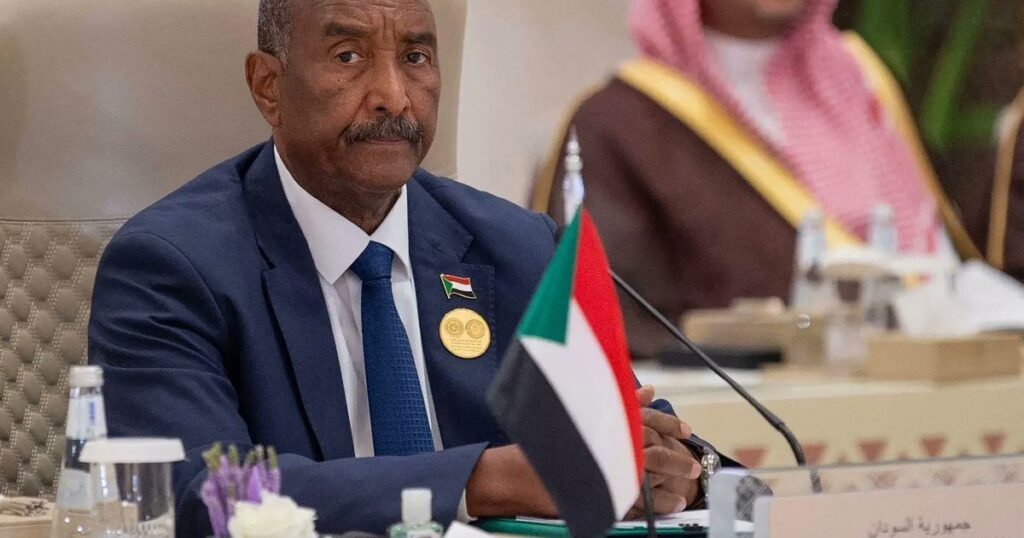
Sudanese military leader General Abdel Fattah al-Burhan has made a significant offer to facilitate peace and national dialogue amid ongoing political turmoil in Sudan. He pledged temporary immunity and legal protections for all participants involved in the Sudanese national dialogue. This move aims to encourage open and inclusive discussions among various political factions, civil society groups, and other stakeholders to chart a way forward for the country.
Al-Burhan’s pledge reflects an important step toward reducing tensions and fostering reconciliation as Sudan grapples with instability following previous conflicts and political upheaval. The assurance of immunity is designed to create a safe environment where participants can freely express opinions and negotiate solutions without fear of legal repercussions.
However, al-Burhan also made it clear that the return of Mohammed Hamdan Dagalo, widely known as Hemedti, a prominent military figure and leader of the Rapid Support Forces (RSF), would not be part of the dialogue process. Hemedti’s exclusion signals ongoing divisions within the Sudanese military leadership and reflects concerns over his controversial role in past conflicts and political affairs.
The national dialogue initiative under al-Burhan’s oversight seeks to unite competing factions and civil authorities to form a sustainable governance framework, restore security, and address economic challenges. These talks are especially critical given Sudan’s complex social fabric and the urgent need to stabilize the country after protracted unrest.
Observers view the immunity offer as a pragmatic step, though skepticism remains regarding the exclusion of key figures like Hemedti. Some critics express concerns that sidelining influential leaders could undermine the inclusiveness and legitimacy of the dialogue.
Nonetheless, the dialogue represents a rare opportunity for Sudanese leaders and citizens to collaboratively resolve differences and pursue democratic reforms. Al-Burhan emphasized that the immunity would be temporary, applying only during the dialogue period, with the aim of fostering trust among parties.
International stakeholders and regional partners have welcomed the initiative, urging all Sudanese factions to engage constructively. They stress that continued political dialogue and reconciliation are vital to preventing further violence and humanitarian crises.
As Sudan moves forward with the dialogue, the coming weeks will be crucial in determining whether national unity and peace can be achieved. Al-Burhan’s dual approach of offering protections while limiting involvement of certain military figures reveals the delicate balance underlying Sudan’s attempts to navigate a path out of conflict and toward stability.