The ongoing tensions between the United States and Iran have reached another impasse, as recent talks aimed at resolving disputes continue to stall. The Strait of Hormuz, a vital maritime corridor through which a significant portion of the world’s oil exports pass, remains the focal point of this geopolitical standoff.
Efforts by mediators to bring the two sides back to the negotiating table have so far proved unsuccessful. Both the US and Iran have maintained firm positions, complicating any progress toward easing the situation.
The standoff has escalated concerns among international observers and energy markets about the possibility of disruptions to oil flow through the Strait of Hormuz. This narrow waterway, bordered by Iran and the Arabian Peninsula, is a strategic chokepoint where even minor conflicts can have outsized impacts on global trade and security.
Diplomats involved in the mediation attempt to find common ground, highlighting areas such as maritime security and economic sanctions. However, deep mistrust and conflicting interests continue to hamper significant breakthroughs.
The United States has emphasized the need for Iran to cease what it terms as provocative activities in the region, including alleged attacks on commercial shipping vessels. Iran, meanwhile, argues that its actions are defensive, aimed at protecting its sovereignty and countering external threats.
The deadlock underscores the complexities of US-Iran relations, which have been fraught with tension since the 1979 Islamic Revolution and further deteriorated following the US withdrawal from the 2015 nuclear deal.
Regional allies and international powers remain cautious but hopeful that dialogue can eventually resume, as the consequences of prolonged conflict could be severe.
Economic sanctions imposed on Iran have crippled its economy, but Tehran uses these pressures as leverage in negotiations. The US insists on strict compliance from Iran regarding its nuclear program and regional activities.
Analysts warn that continued stalemate risks escalating into open confrontation, with repercussions for global security and energy supplies.
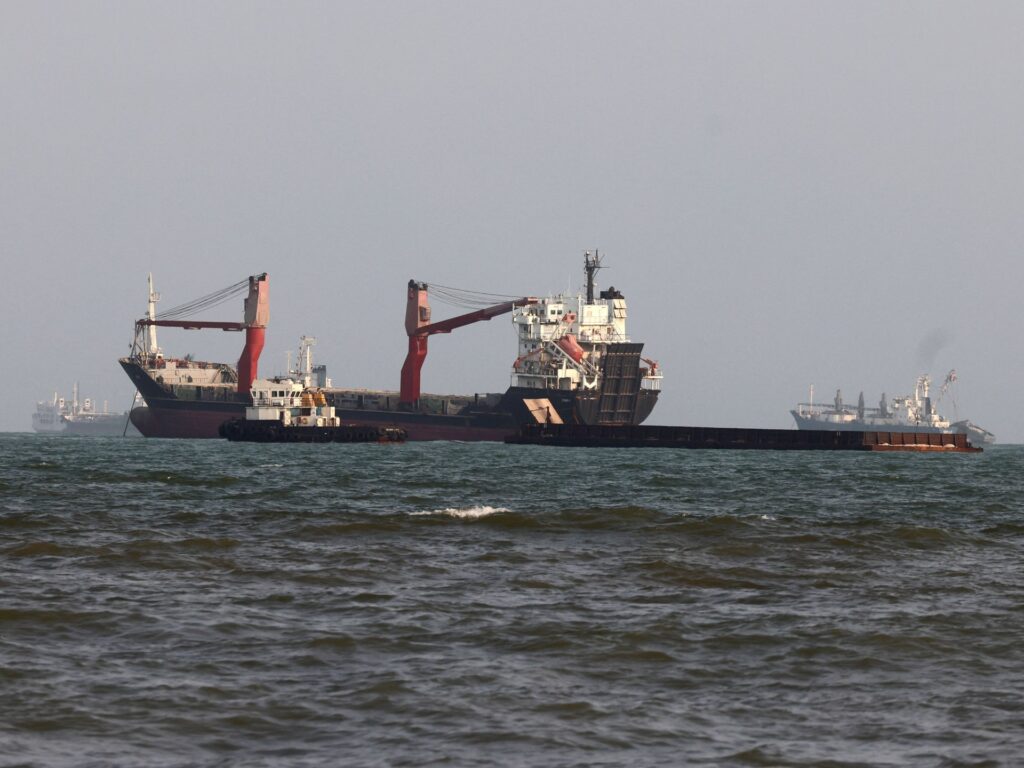
In the meantime, maritime traffic through the Strait of Hormuz continues under heightened alert, with naval deployments from multiple countries ensuring navigation safety.
The international community calls for restraint and constructive engagement to ease tensions and avoid conflict.
As mediators persist in their efforts, all eyes remain on the negotiation table, hoping for a breakthrough that could thaw one of the most volatile geopolitical conflicts of our time.
The deadlock in US-Iran talks highlights the urgent need for diplomatic solutions to prevent further destabilization in the Middle East and safeguard global economic interests.
This ongoing situation serves as a stark reminder of the fragile balance of peace and the importance of sustained, meaningful dialogue in resolving international disputes.