Colombia has been struck by a powerful earthquake, presenting the first major crisis for President Abelardo de la Espriella and his newly installed far-right government. This natural disaster is pushing the administration to its limits as it urgently works to locate survivors, provide emergency aid, and restore stability to the affected regions.
The earthquake, which hit with significant force, caused widespread damage across several provinces, including the destruction of infrastructure such as roads, bridges, and homes. The government’s emergency response teams have been deployed rapidly to coordinate rescue operations and distribute critical supplies.
President de la Espriella, who took office recently, faces intense scrutiny over how his administration manages the crisis. The effectiveness of the government’s response will heavily influence public perception and political capital, as well as impact Colombia’s overall resilience to future disasters.
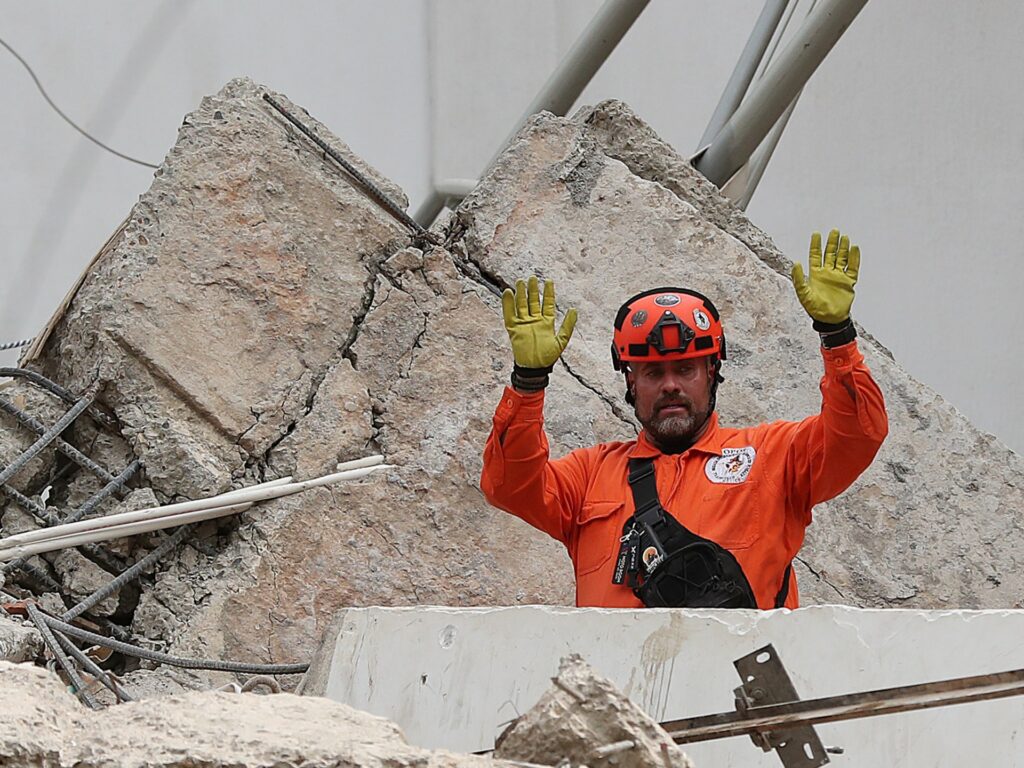
Emergency services, including first responders and the military, have been mobilized to aid in search and rescue missions. The government has also called for international assistance to bolster its capacity for relief efforts.
Communication lines remain partially disrupted in the hardest-hit areas, complicating efforts to assess the full extent of the damage and locate those trapped under debris. Authorities have established emergency shelters to accommodate displaced residents, while medical teams are working tirelessly to treat the injured.
Critics argue that the new far-right government may lack experience in handling such humanitarian emergencies, and there are concerns about the equitable distribution of aid. However, supporters believe that decisive action and strong leadership will help overcome these challenges.
This earthquake underscores Colombia’s vulnerability to natural disasters and highlights the need for robust disaster preparedness measures. The government has pledged to review and enhance existing protocols in order to improve future responses.
As Colombia contends with the aftermath, communities across the nation have shown remarkable solidarity, organizing local relief initiatives and offering support to those affected.
International organizations and neighboring countries have expressed their condolences and have begun sending aid, ranging from medical supplies to food and technical expertise.
The coming weeks will be critical for Colombia as it seeks to rebuild infrastructure, support victims, and demonstrate the capacity of President de la Espriella’s administration to manage crises.
The earthquake serves as a defining moment for the far-right government, testing its ability to unify the nation and address urgent humanitarian needs effectively while navigating the complex political landscape.
In conclusion, the recent earthquake in Colombia is not only a natural disaster but also a pivotal challenge for the country’s new leadership. The government’s response will shape its legacy and impact Colombia’s recovery and future disaster preparedness strategies.