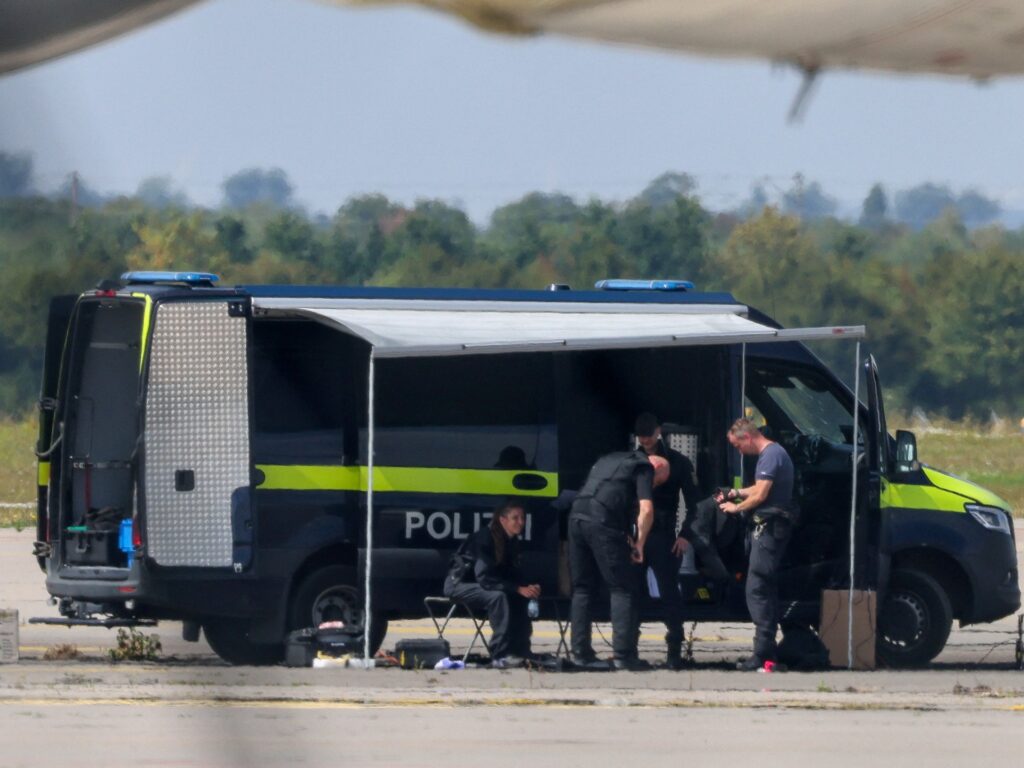
Europe is witnessing a new dimension of security challenges in the wake of the ongoing Russia-Ukraine conflict, as an increasing number of drone incidents have caused widespread alarm among nations. The most recent event—a drone crash in Germany—has intensified fears about suspected Russian drone operations targeting European territories.
The incident in Germany has prompted heightened vigilance among European security apparatus, with authorities closely monitoring any unusual aerial activities that could signify foreign interference or espionage. While the full circumstances around the crash remain under investigation, early suspicions point towards the drone being part of a broader strategy by Russia, possibly aiming to gather intelligence or disrupt local infrastructure.
This episode is not isolated. Similar reports have surfaced recently across multiple European countries, indicating a worrying pattern that underscores the escalating risks posed by unmanned aerial vehicles (UAVs) in modern warfare and hybrid conflict scenarios.
European governments face the complex challenge of bolstering air defense mechanisms and improving drone detection technologies to prevent unauthorized incursions. The threat extends beyond immediate physical damage, encompassing potential cyber vulnerabilities as drones can be equipped with sophisticated technology capable of hacking or interference.
Experts warn that the Russian-Ukrainian war’s spillover could destabilize the regional security landscape, forcing NATO members and their allies to rethink their defense postures. Discussions are underway to enhance cooperative intelligence sharing and to develop comprehensive protocols for drone incident responses.
Meanwhile, public anxiety is rising as civilians become increasingly aware of the implications of drone flights over their cities. Governments are urging calm but stressing the need for preparedness against unconventional threats. The incidents serve as a stark reminder that warfare is evolving, with drones playing a pivotal role in the strategic planning of contemporary conflicts.
As investigations continue, international communities are calling for transparent dialogue and adherence to international laws governing airspace sovereignty. The situation remains fluid, but the clear message is that Europe is entering a new era of aerial threats, demanding robust and innovative countermeasures to safeguard peace and security amidst ongoing geopolitical tensions.