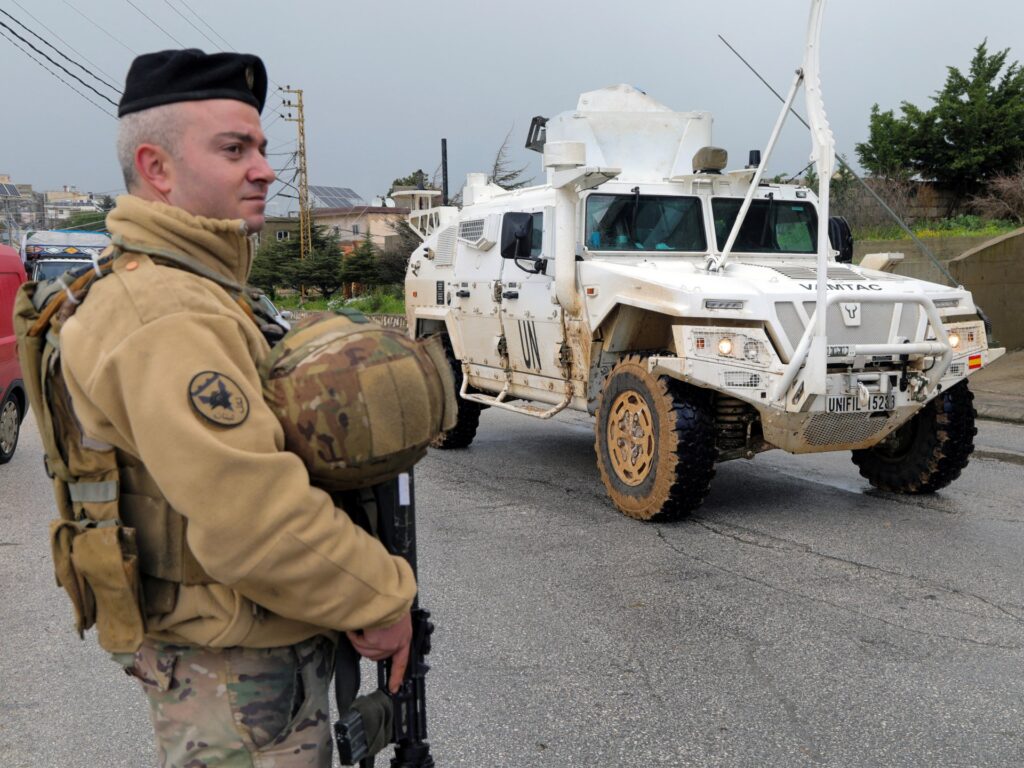
The future of peacekeeping operations in southern Lebanon is facing significant uncertainty as the United Nations Interim Force in Lebanon (UNIFIL) approaches its planned phase-out. This development raises concerns about potential security vacuums in a region long marked by tension and conflict.
UNIFIL, established in 1978, has played a critical role in maintaining peace along the Lebanon-Israel border, monitoring ceasefire agreements, and supporting the Lebanese Armed Forces in stabilizing the area. However, with the mission’s scheduled drawdown, questions emerge about who will fill the void left by its departure.
Political solutions to the complex conflicts involving Lebanon, Israel, and various armed factions remain elusive. Without a robust diplomatic breakthrough, the withdrawal of UN peacekeepers risks undermining the fragile balance that has prevented renewed hostilities.
Experts warn that future peacekeeping missions may shrink significantly in both scope and scale, potentially creating security gaps along this volatile frontier. Diminished international presence could embolden militant groups, leading to increased clashes and instability.
The UN and international community face a challenging dilemma: how to ensure continued security in southern Lebanon without a comprehensive political settlement. Some suggest strengthening local Lebanese forces, while others advocate for new multinational arrangements.
Meanwhile, the local population remains apprehensive about the implications of UNIFIL’s departure. Many rely on the peacekeepers for a sense of safety and fear that reduced oversight might lead to an escalation in violence.
A spokesperson for the UN highlighted the importance of sustained international engagement, emphasizing that any transition must be carefully managed to prevent a security vacuum. “The drawdown of UNIFIL should not be seen as abandonment, but as an opportunity to empower regional actors and solidify peace efforts,” they said.
As 2024 progresses, all eyes will be on diplomatic efforts in Beirut and beyond, hoping for breakthroughs that can pave the way for a new era of stability. Without such progress, the risks posed by a shrinking peacekeeping footprint may soon manifest, threatening the delicate peace that southern Lebanon has maintained for decades.
In conclusion, the phase-out of UNIFIL underscores the precarious nature of peace in southern Lebanon. While international peacekeeping has kept the peace for over four decades, the next chapter depends largely on political will, regional cooperation, and sustained international support to prevent a resurgence of conflict.