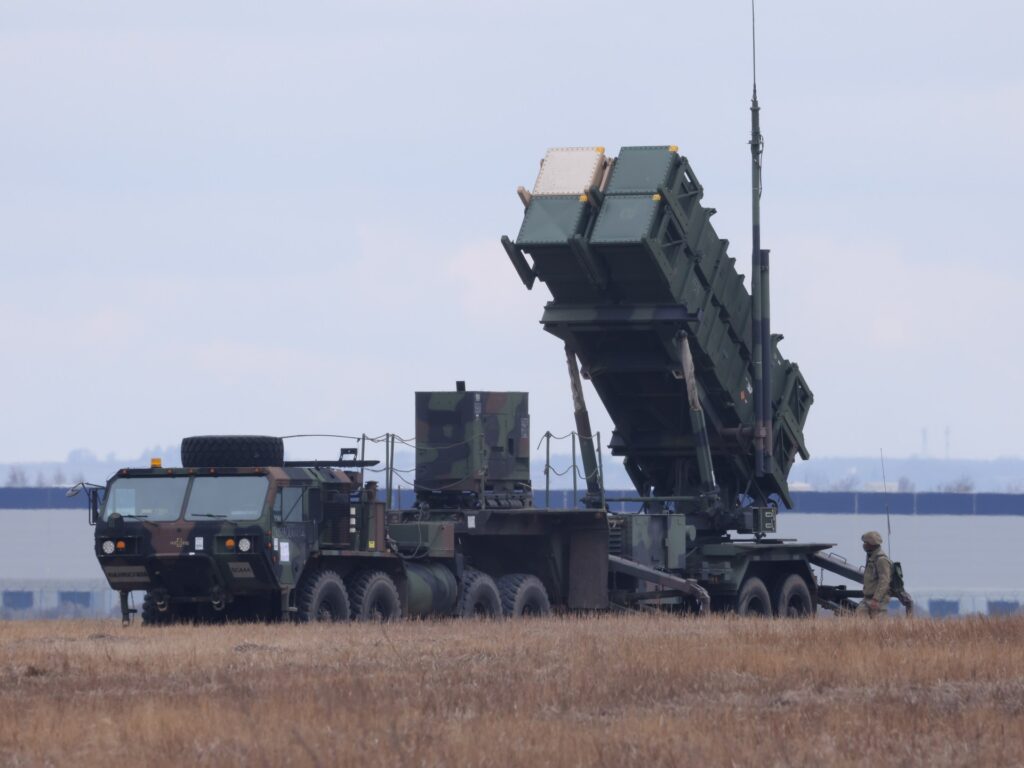
The Pentagon has issued a call to the U.S. defense industry to rapidly increase weapons production due to growing concerns over dwindling munitions stockpiles. This urgent appeal comes amidst escalating tensions in the Middle East, where the demand for military supplies has surged significantly. Officials warn that current levels of weapons and ammunition reserves may not suffice to meet potential operational requirements, heightening national security risks.
Defense Secretary and top military leaders have emphasized the critical need to bolster manufacturing capacities for key munitions, including artillery shells, bombs, and missile systems. The pressure is on contractors and manufacturers to overcome logistical challenges and expedite delivery timelines.
Historically, the U.S. has maintained robust defense production capabilities, but recent conflicts and increased usage have strained stockpiles. The ongoing Middle East situation has accelerated consumption rates, prompting the Pentagon to reassess strategic reserves.
Industry representatives acknowledge the challenges in scaling production quickly, citing supply chain disruptions, workforce shortages, and the complexity of modern weapons systems. Nonetheless, collaboration with government agencies aims to mitigate these obstacles through increased funding, streamlined regulatory processes, and incentivizing innovation.
Analysts note that enhancing munitions output is vital not only for immediate operational readiness but also for sustaining long-term deterrence. A well-supplied military is fundamental to strategic stability and the United States’ ability to project power globally.
The Pentagon’s appeal underscores a broader defense posture shift to prepare for multifaceted threats, necessitating agility in manufacturing and inventory management. Efforts include investments in advanced technologies and expansion of production facilities.
Furthermore, bipartisan political support for defense spending has helped facilitate these initiatives, recognizing the importance of a strong industrial base.
In conclusion, the renewed emphasis on accelerating weapons production reflects a proactive approach to safeguarding national security amid an increasingly volatile geopolitical landscape. Ensuring adequate munitions supplies remains a top priority as the U.S. navigates complex challenges in the Middle East and beyond.