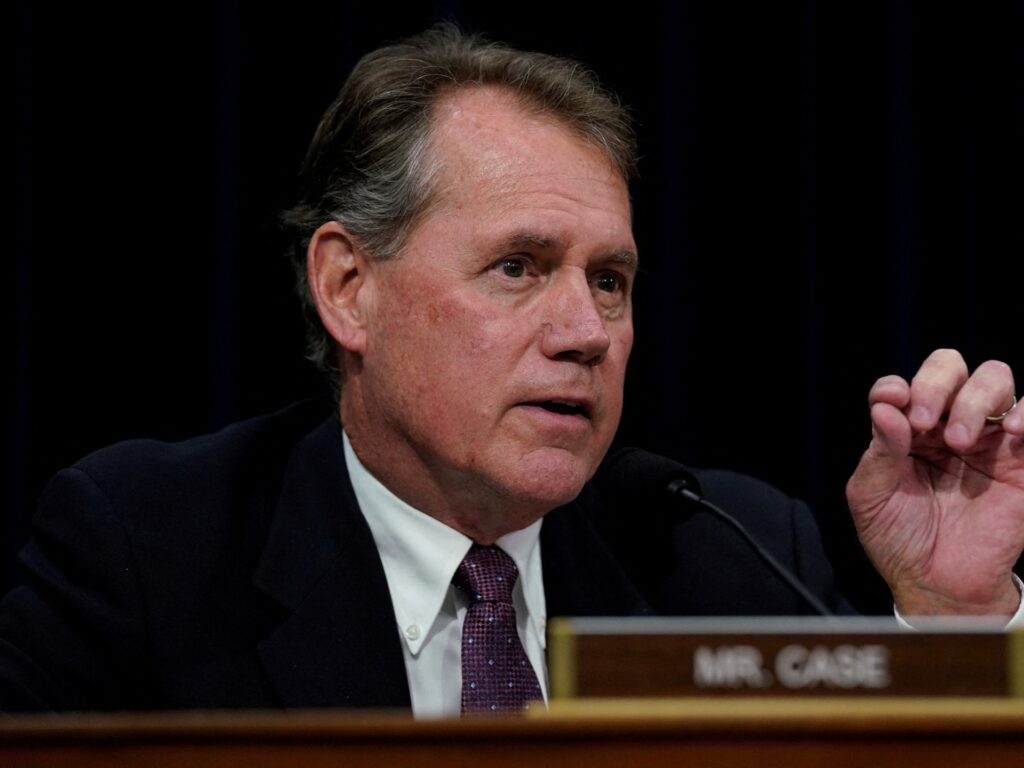
In the recent Hawaii primary elections, incumbent candidates have successfully defended their positions against a wave of progressive challengers, underscoring the ongoing ideological struggle within the state’s Democratic Party. Despite a vigorous campaign by progressive candidates advocating for significant reforms and systemic changes, the centrist incumbents managed to maintain voter confidence, signaling a preference for stability among the electorate.
The primary results are a clear indication of the state’s political landscape where moderate Democrats continue to hold sway despite rising progressive enthusiasm. This dynamic reflects broader national trends where moderate elements within the Democratic Party often resist more left-leaning policies, aiming to maintain a centrist approach towards governance.
Several key races saw tight competition, but ultimately, incumbents leveraged their established political networks and track records to secure victories. Their campaigns emphasized pragmatic governance, economic stability, and incremental policy advancements, contrasting with the progressive agenda focused on rapid and comprehensive changes.
Progressive candidates, though unsuccessful in this cycle, have significantly impacted the political discourse, pushing issues like climate change, affordable housing, and social justice to the forefront. Their presence in the primaries has energized grassroots movements and young voters who seek a departure from traditional political methods.
The clash between centrist and progressive Democrats in Hawaii mirrors a nation-wide conversation about the future direction of the party. While moderates argue that a balanced approach is necessary for broader appeal and effective legislation, progressives contend that bold reforms are essential to address systemic inequalities and urgent societal issues.
Political analysts suggest that the incumbents’ victories do not spell the end for progressive ambitions but rather highlight the challenges they face in gaining widespread electoral support. The next election cycles will be critical to observe whether progressive candidates can build on their growing base and translate that into electoral success.
For now, Hawaii’s Democratic Party remains divided but functional, with incumbents holding the reins and progressives continuing to advocate for change. This ongoing tension is likely to shape policy debates and campaign strategies in the state for the foreseeable future, reflecting the evolving nature of American political identity.