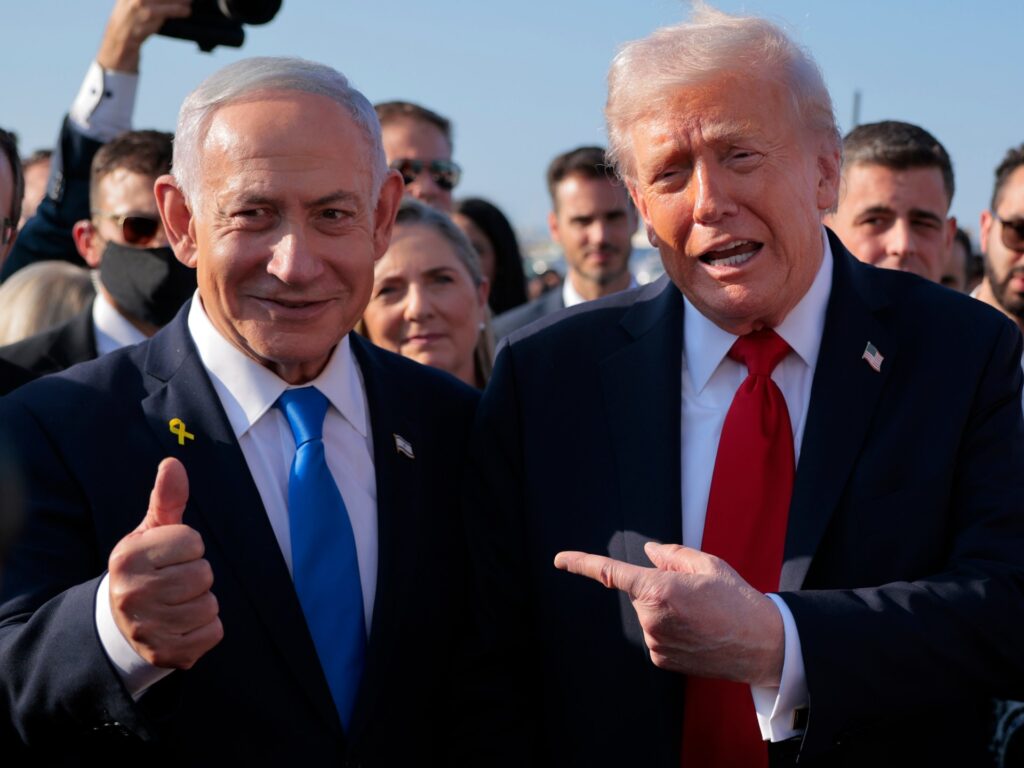
Israel’s outright rejection of former US President Donald Trump’s 15-point plan for Gaza marks a significant turning point in the ongoing conflict dynamics in the region. The plan, aimed at achieving long-term peace and stability in Gaza, has been met with firm opposition from Israeli Prime Minister Benjamin Netanyahu, who insists on conditions that emphasize the complete disarmament of Hamas before any potential Israeli withdrawal from Gaza.
Netanyahu’s stance reflects a deep-seated skepticism toward proposals that do not guarantee Israel’s security and stability. He insists that any consideration of a pull-out from the Gaza Strip must be contingent on a ‘‘genuine’’ disarmament of Hamas, the Islamist group that has governed Gaza since 2007 and has been involved in frequent conflicts with Israel. This demand underlines the complexities involved in peace negotiations, where security concerns are paramount for Israel.
The rejection of Trump’s plan reignites several critical questions about the future trajectory of the Israel-Gaza conflict. Analysts suggest that the absence of a mutually accepted roadmap risks prolonging hostilities and uncertainty in the region. Netanyahu’s focus on disarmament highlights the persistent challenge Israel faces: securing peace while addressing credible threats posed by Hamas.
For Palestinians in Gaza, the rejection of the US-backed plan might deepen frustrations, as it postpones any immediate relief from the dire humanitarian conditions and ongoing conflict. The Gaza Strip has been under an Israeli-Egyptian blockade for over a decade, leading to economic hardships, restricted movement, and limited access to essential services.
International reactions have been mixed. Some countries sympathize with Israel’s security concerns, particularly given past attacks rocket fire and militant operations. Others emphasize the importance of renewed dialogue and negotiation to avoid further bloodshed. The United Nations and several international bodies continue to call for renewed peace talks but acknowledge the difficulty of bridging entrenched positions.
Experts warn that the path forward requires careful diplomatic engagement, realistic security assurances, and inclusive political processes involving all key stakeholders. Without these elements, the stalemate is likely to persist, with periodic escalations threatening regional stability.
Additionally, Netanyahu’s demand for Hamas disarmament raises questions about enforcement mechanisms and the role of other regional actors. While Hamas remains the dominant force in Gaza, other groups and external influences complicate the security landscape.
In summary, the rejection of Trump’s 15-point Gaza plan by Israel and Netanyahu’s insistence on Hamas disarmament before any withdrawal illustrate the entrenched challenges in resolving the Gaza conflict. Moving forward will likely demand patience, innovative diplomatic efforts, and a willingness from all involved parties to compromise on deeply sensitive issues.
This critical juncture underscores the urgent need for a sustainable solution that balances Israel’s security concerns with the humanitarian realities faced by Gaza’s population. Without concerted international and regional cooperation, the cycle of conflict is poised to continue, hindering prospects for peace and stability in one of the world’s most enduring and complex conflicts.