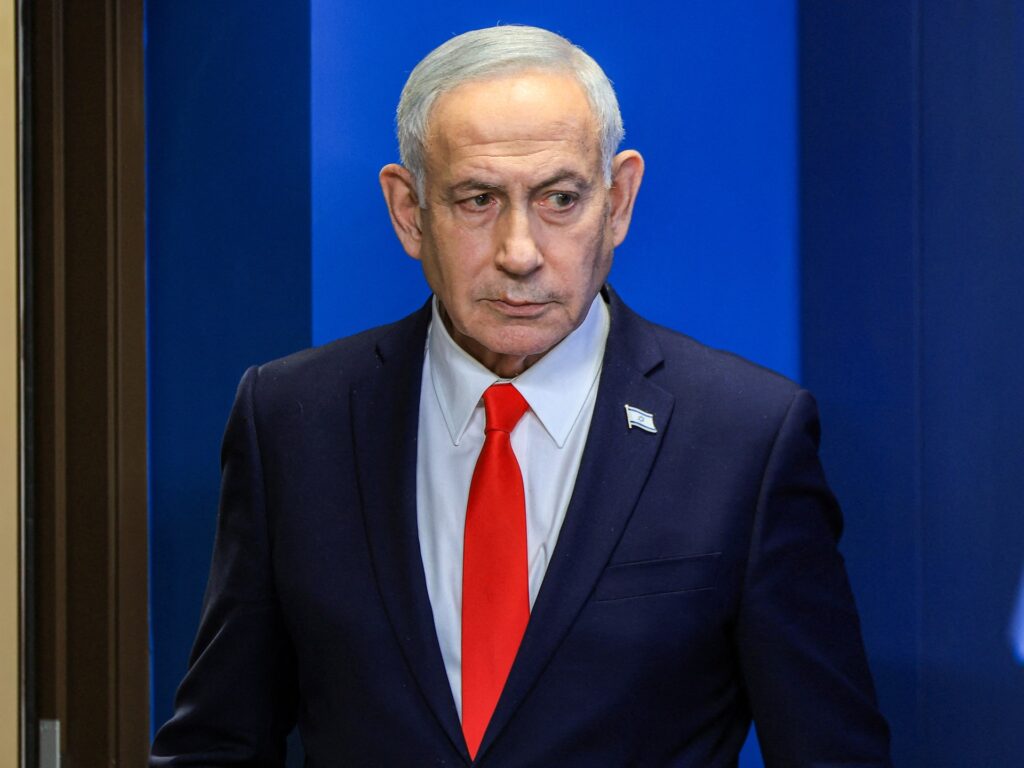
In a decisive response to former U.S. President Donald Trump’s 15-point peace plan for Gaza, Israeli Prime Minister Benjamin Netanyahu has firmly rejected the proposal, underscoring Israel’s stance on the ongoing conflict with Hamas. Netanyahu stated unequivocally that Israel will not withdraw its forces from Gaza until Hamas is fully disarmed, emphasizing the importance of security and stability in the region.
The Trump administration’s plan, which aimed to bring a lasting ceasefire and peace between Israel and Gaza, included various points focused on security arrangements, humanitarian aid, and political steps towards reconciliation. However, Netanyahu’s rebuttal highlighted concerns that the plan did not sufficiently address Israel’s fundamental need for security guarantees against attacks from Hamas.
Prime Minister Netanyahu argued that any peace initiative must first ensure that Hamas ceases its militant activities and disarms completely before any Israeli troop withdrawal could be considered. He stressed that Israel’s primary responsibility is to protect its citizens from the threat posed by Hamas’s rockets and tunnels.
The rejection of the plan has significant implications for the geopolitical situation in the Middle East. Experts suggest that Netanyahu’s firm stance reflects a broader Israeli policy prioritizing security over diplomatic compromises perceived as risky.
Israel has maintained a military presence in Gaza following recent conflicts, citing the necessity to prevent arms smuggling and terrorist activities. The Gaza Strip, governed by Hamas, has been the focal point of repeated conflicts with Israel, which accuse Hamas of using civilian areas for military purposes.
The Trump plan, while comprehensive in scope, faced criticism from various factions within the region. Palestinian leaders dismissed it as biased towards Israeli interests and failing to address core issues such as the status of Jerusalem, refugee rights, and the blockade of Gaza.
Netanyahu’s refusal to adopt the U.S.-proposed blueprint signifies a continuation of current military policies and an insistence on disarmament as a precondition for peace. This position reflects Israel’s longstanding demand that any peace agreement must neutralize the militant threat posed by Hamas.
International reactions to Israel’s rejection of the plan have been mixed. While some Western allies support Israel’s emphasis on security, others call for renewed diplomatic efforts to break the cycle of violence and suffering in Gaza.
The humanitarian situation in Gaza remains dire, with ongoing conflict exacerbating challenges such as shortages of medical supplies, electricity, and clean water. Analysts stress the urgency of a sustainable solution that reconciles security needs with humanitarian concerns.
In the wake of Netanyahu’s statement, the prospects for peace in Gaza appear uncertain. The stalemate highlights the deep divisions and mistrust between Israel and Hamas, complicating future negotiations.
Both sides remain entrenched in their positions: Israel demanding disarmament and security guarantees, and Hamas insisting on the lifting of blockades and recognition.
Regional powers and international organizations continue to advocate for dialogue and peaceful resolution but face significant hurdles.
The rejection of Trump’s plan could lead to a prolonged military presence and ongoing tensions in Gaza, with potential repercussions for regional stability.
Observers note that without a change in approach, the humanitarian toll and cycle of violence may continue unabated.
This development calls for renewed diplomacy and innovative strategies to address the complex realities on the ground and pave the way for lasting peace in the troubled region.