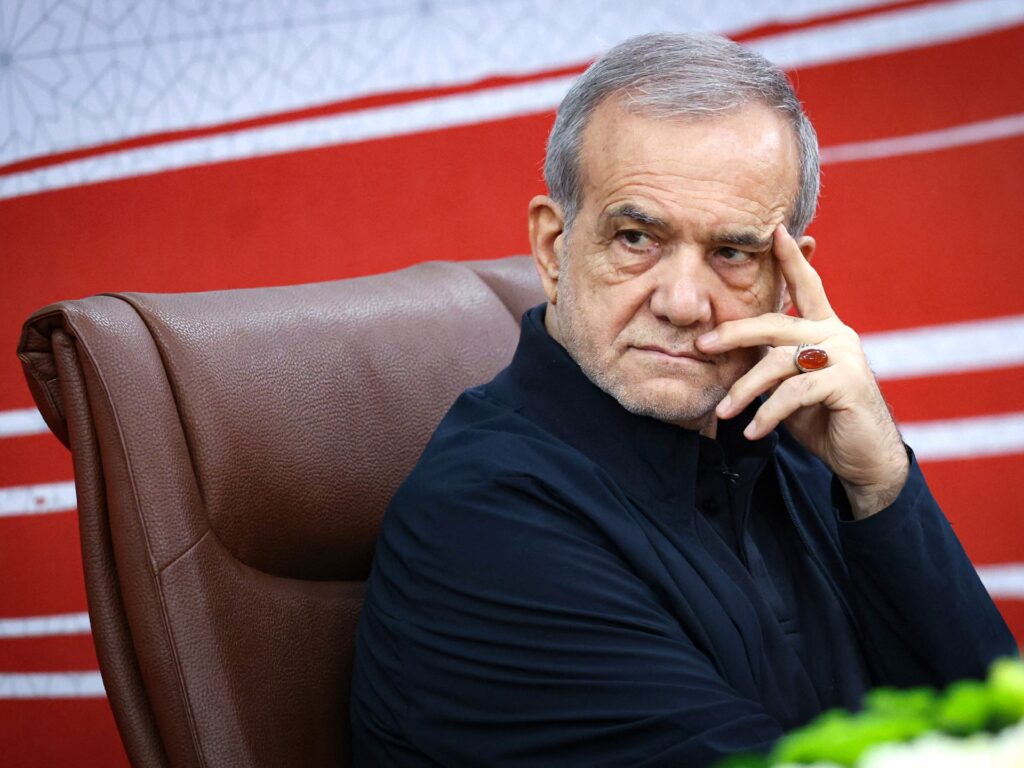
Iranian President Pezeshkian has made a significant appeal to break the stalemate that has long characterized Iran’s relationship with the United States. He described the current state as one of ‘no war, no peace,’ a deadlock that has persisted, causing geopolitical tension and hindering progress between the two nations.
Pezeshkian’s call comes at a critical juncture where he believes the opportunity for a lasting peace agreement is ripe. He emphasized that the current global and regional conditions offer a unique chance to move beyond hostility towards a more cooperative and peaceful coexistence.
The ‘no war, no peace’ status refers to a tense and uncertain state where direct conflict is avoided, yet hostile relations and sanctions continue, fostering insecurity and economic hardship. For years, Iran and the US have been locked in this difficult balance, with periodic escalations followed by tentative dialogues that fail to produce comprehensive solutions.
The Iranian president’s urging signals a pragmatic approach that recognizes the unsustainable nature of the status quo. It’s a call for diplomacy backed by mutual concessions, aiming to rebuild trust and establish mechanisms to resolve core disputes.
Analysts note that Pezeshkian’s timing coincides with shifting political landscapes in both countries, as well as evolving international pressures that may favor a de-escalation in tensions. The president’s message underscores the importance of seizing this moment to foster stability in the Middle East, enhance economic prospects, and improve bilateral relations.
In practical terms, Pezeshkian’s statement could pave the way for renewed negotiations on issues like nuclear development, economic sanctions, and regional security. Such talks could help dismantle longstanding barriers to peace and open avenues for cooperation on global challenges.
Experts stress, however, that overcoming deep mistrust on both sides will require not only political will but also sustained efforts from diplomats and civil society. The international community could play a supportive role by encouraging dialogue and offering frameworks for conflict resolution.
Ultimately, President Pezeshkian’s appeal is a hopeful sign that Iran is willing to engage meaningfully with the US to transform their fraught relationship. If successful, an agreement could mark a new chapter of peace and collaboration, benefiting not just the two countries but the broader region and beyond.