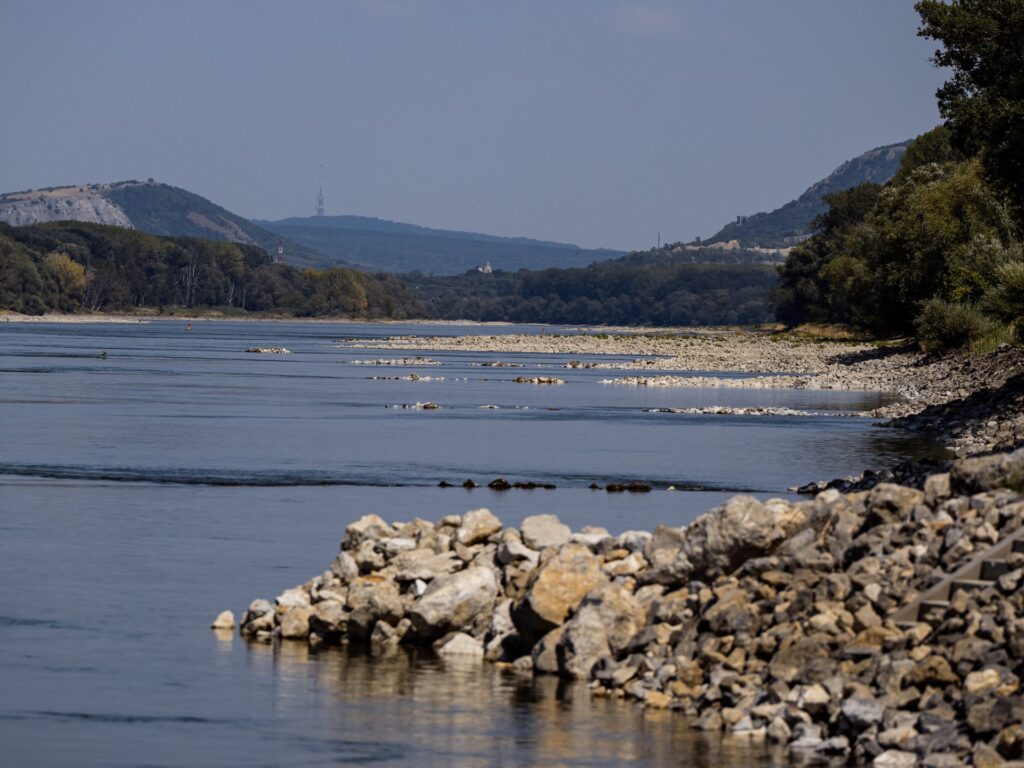
Central Europe is currently grappling with an unprecedented heatwave that has shattered temperature records across the region. Slovakia and Austria have reported some of the highest temperatures ever recorded in their history, raising concerns over public health, infrastructure resilience, and environmental impacts.
In Slovakia, meteorological agencies have confirmed that the mercury has soared to never-before-seen levels, causing widespread alarm. Similarly, Austria is experiencing extreme heat, with thermometers registering temperatures that exceed previous highs, prompting authorities to issue urgent warnings to the population.
Italy, not spared from the intense heat, has taken stringent measures to protect its residents. All 27 of Italy’s major cities have been placed under the highest heat alert category. This move reflects the severity of the heatwave and the government’s commitment to public safety through proactive advisories and emergency preparedness.
Health officials across these countries are urging people to stay hydrated, avoid outdoor activities during peak hours, and look out for vulnerable groups such as the elderly and children who are more susceptible to heat-related illnesses.
The ongoing heatwave has also strained energy supplies as air conditioners and cooling systems run at full capacity. This has sparked concerns about the sustainability of energy infrastructure and the need for immediate responses to mitigate further risks.
Environmentalists warn that these extreme weather patterns are indicative of broader changes linked to global climate change. The heatwave serves as a stark reminder of the urgent need for coordinated international action to reduce carbon emissions and invest in renewable energy sources.
In addition to health and environmental concerns, the agriculture sector is feeling the heat as crops are vulnerable to dehydration and heat stress. This could impact food supply chains and prices in the months ahead.
Transport systems are also affected, with high temperatures causing disruptions such as rail track buckling and road surface melting, leading to delays and potential safety hazards.
Municipalities across Central Europe have initiated cooling centers and extended hours in public pools to provide relief. Public campaigns emphasize community solidarity and the importance of checking on neighbors and family members.
Meteorologists predict that the heatwave may persist for several more days before expected relief from cooler fronts. Meanwhile, scientists continue to monitor the situation closely to better understand the dynamics of such extreme weather events.
The Central European heatwave represents a crucial call to action for governments, businesses, and individuals to adapt to a new climate reality and to prioritize resilience and sustainability in urban planning and infrastructure development.
As this unprecedented heatwave sweeps across the region, it highlights the vulnerability of populations and ecosystems to rising global temperatures, underscoring the urgent imperative to tackle climate change at every level.