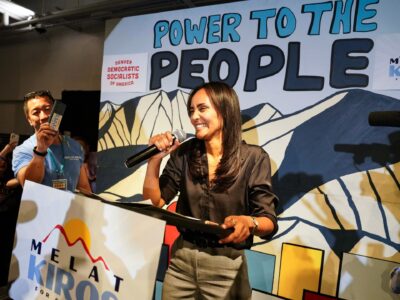
In a historic election cycle, the United States witnessed a transformative shift in its political landscape, marked by the unprecedented rise of Generation Z and a remarkable embrace of diversity. Melat Kiros, at the forefront of this change, has been elected to Congress as the first Generation Z woman, symbolizing a pioneering moment in American politics.
Melat Kiros’s victory is not just a personal achievement but a reflection of broader societal changes. Generation Z, typically defined as those born from the mid-1990s to the early 2010s, has begun to assert its influence on the political stage, advocating for issues that resonate with younger voters and marginalized communities alike. This demographic is known for its progressive stance on social justice, climate change, and inclusivity, making Kiros’s election emblematic of generational shifts.
Her election also highlights the increasing demand for diversity in governmental representation. Kiros, who comes from a background that embodies the complex multicultural fabric of the United States, brings fresh perspectives and voices that have historically been underrepresented in Congress. This change is crucial as it ensures that legislation and policies better reflect the country’s diverse populace.
The 2024 election cycle saw a surge in candidates from various ethnic, gender, and socioeconomic backgrounds, challenging the traditional political establishment and reshaping party priorities. Kiros’s success story has inspired a wave of young candidates across the nation, encouraging them to engage actively in civic life and pursue public office.
Experts suggest that the inclusion of Generation Z in Congress could lead to significant policy reforms, particularly in areas such as education, healthcare, environmental protection, and technology regulation. Their digital nativeness and global awareness also promise to modernize government operations and communication with constituents.
Furthermore, Kiros’s election underscores a shift in voter behavior. Younger generations are turning out in greater numbers, driven by a desire to address urgent issues like racial justice, economic inequality, and climate action. This participation signals a revitalized democracy that is more inclusive and responsive.
Political analysts observe that the success of Generation Z candidates will likely influence both major political parties to recalibrate their platforms and outreach strategies. The inclusivity and progressive values championed by these candidates may lead to more bipartisan cooperation on critical issues.
Kiros has expressed her commitment to representing not only Generation Z but also all communities seeking equity and justice. Her platform emphasizes intersectional policies that acknowledge the multifaceted identities of Americans.
The historic election of Melat Kiros is a milestone that marks the beginning of a new chapter in US politics—one that embraces the diversified, dynamic, and digitally connected nature of the current generation, promising a future shaped by inclusion, innovation, and active participation of all citizens.