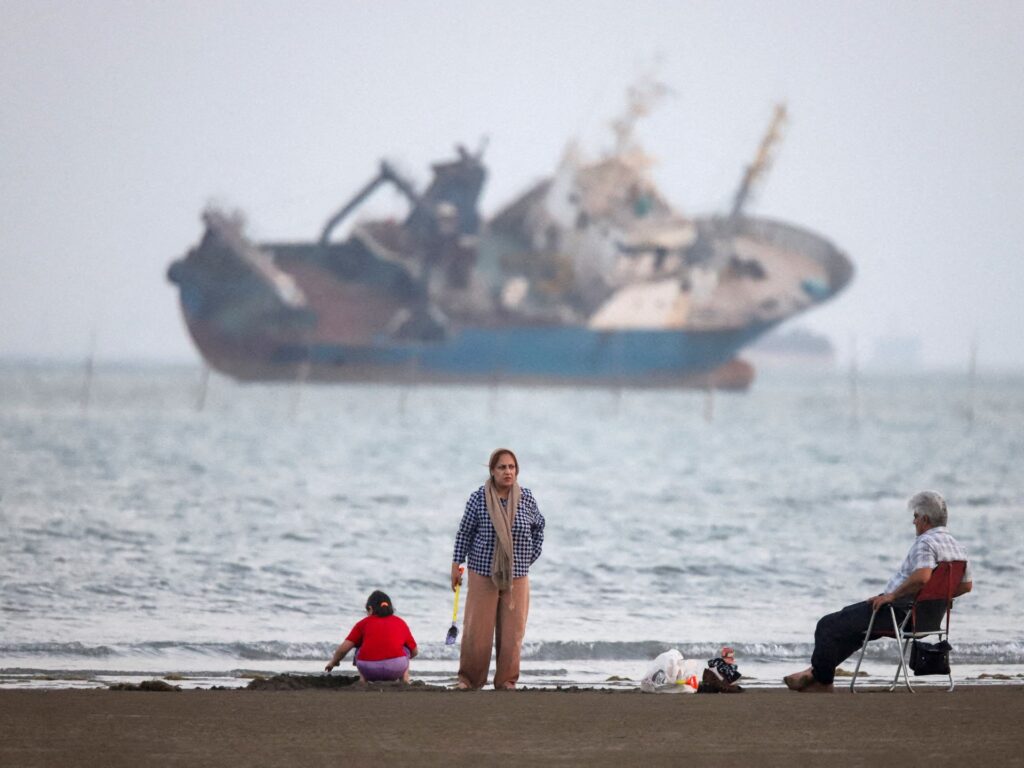
The ongoing tensions in the Strait of Hormuz have prompted the United States to advocate for a naval mission aimed at securing the crucial shipping lane from potential threats, particularly amid growing conflicts involving Iran. However, European nations, notably the United Kingdom and France, have exhibited hesitation in joining this initiative, reflecting a broader reluctance to engage directly in a confrontation with Iran.
Analysts observe that while the US is aggressively pushing to establish a naval presence to ensure safe passage for international trade, Europe appears focused on a strategy of de-escalation. This divergence in approach underscores differing geopolitical priorities and risk assessments between the US and its European allies.
The Strait of Hormuz is a vital maritime corridor through which a significant portion of the world’s oil supply is transported. Any disruption here not only escalates regional tensions but also impacts global energy markets. The US government’s proposal for a coalition naval mission aims to deter potential Iranian interference, which has intensified amidst the broader US-Israel conflict that Europe has largely distanced itself from.
European officials stress the importance of diplomatic engagement and caution against actions that might exacerbate regional instability. The UK and France, while maintaining their commitment to freedom of navigation, are reportedly approaching the situation with efforts to avoid direct military confrontations, emphasizing dialogue and conflict resolution instead.
This stance reflects a nuanced balance: Europe acknowledges the strategic importance of the Strait of Hormuz but prefers an approach that avoids inflaming the conflict. Analysts suggest that Europe’s hesitation stems from concerns about escalating tensions and the potential fallout from aligning too closely with the US-Israeli position in a conflict that Europe perceives differently.
The reluctance of European nations to fully back the US naval mission also signals wider questions about the future of transatlantic relations and cooperation on security matters. While the US views a proactive stance as necessary to maintain pressure and stability, Europe’s cautious approach highlights divergent foreign policy priorities.
In summary, as the US pushes for a coordinated naval mission to safeguard the Strait of Hormuz during escalating Middle Eastern tensions, Europe—led by the UK and France—is opting for de-escalation and diplomatic restraint. This split reveals underlying differences in strategy and serves as a reminder of the complex interplay between global powers in managing conflict zones vital to international security and commerce.