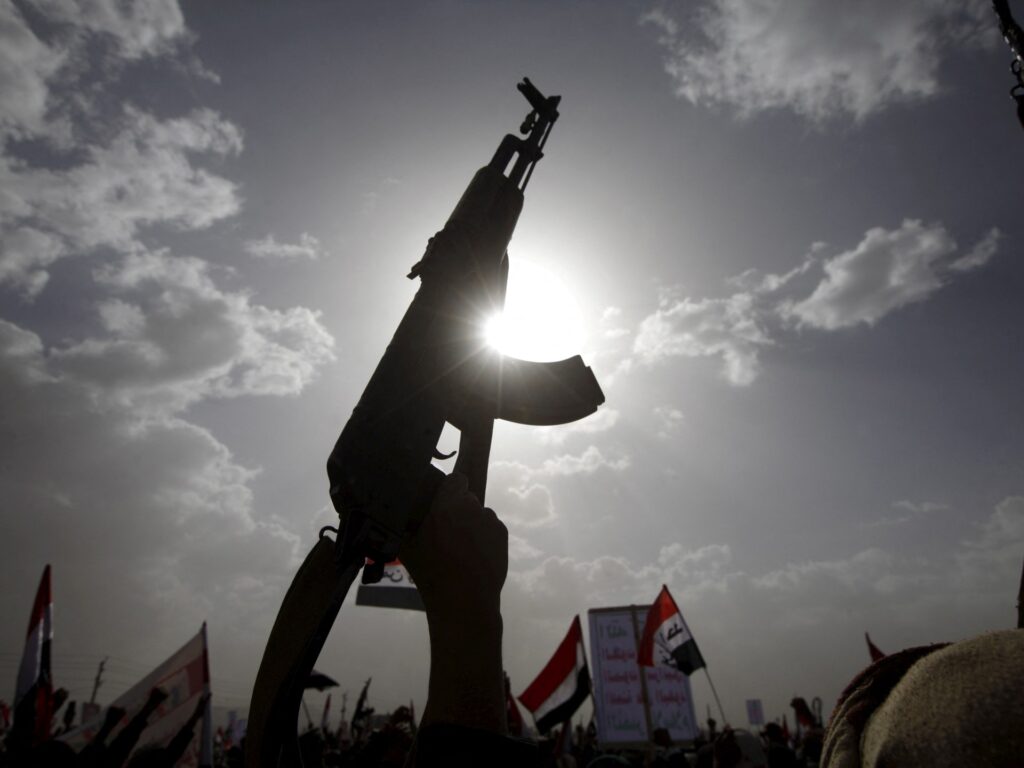
The ongoing conflict between the Houthis in Yemen and Saudi Arabia has escalated notably in recent times, coinciding with the intensification of regional tensions triggered by the US-Israel conflict involving Iran. The Houthis, a powerful armed group based in northern Yemen, have launched a series of strikes against Saudi targets, signaling an uptick in hostilities that threaten the fragile stability of the region.
These developments come at a time when Saudi Arabia is on high alert, preparing for possible retaliatory attacks. The kingdom’s military and security forces have reportedly bolstered their defenses along vulnerable borders and critical infrastructure, anticipating further aggression from the Houthis. The escalation reflects the broader geopolitical struggle in the Middle East, where proxy tensions often manifest through actions on the ground in Yemen.
The Houthis, officially known as Ansar Allah, have a history of conflict with Saudi Arabia that is rooted in the wider Yemeni civil war, which has been ongoing for over a decade. This conflict has become entangled with regional power struggles, especially involving Iran, which is accused by Saudi Arabia and its allies of supporting the Houthis financially and militarily. The US and Israel’s recent confrontation with Iran has further complicated this dynamic, with the Houthis seen as one of the Iranian-backed groups pushing against Saudi interests.
Reports indicate that recent Houthi strikes have targeted Saudi border towns and energy facilities, aiming to disrupt the kingdom’s economic lifelines and instill fear among civilian populations. These attacks often involve missiles and drone strikes, technologies that the Houthis have increasingly utilized thanks to alleged foreign support.
Saudi Arabia’s response has included both military action inside Yemen and diplomatic efforts aimed at isolating the Houthis and pressuring their backers. The kingdom has also strengthened its air defense systems and increased intelligence operations to intercept potential threats before they can cause significant damage.
The international community, including the United Nations, continues to call for a peaceful resolution to the Yemeni conflict, warning that further escalation could lead to a devastating humanitarian crisis in a country already suffering from widespread poverty and instability.
Despite these calls, the situation remains volatile. The Houthis show no signs of backing down, as their increased military capabilities and heightened confidence suggest they are prepared for ongoing conflict. The risk of a larger regional war growing out of the Yemen conflict is a looming concern for many observers.
Analysts emphasize that the conflict in Yemen is a microcosm of the broader Middle East struggle for influence, involving local actors, regional powers, and global interests. The interplay of these forces means that any escalation or resolution in Yemen could have significant reverberations across the region.
For now, Saudi Arabia remains vigilant, continuing to monitor Houthi activities closely while reinforcing its defensive posture. The kingdom’s ability to manage this threat without further escalation will be a critical factor in the coming months as the battle for influence and control in Yemen and the broader Middle East plays out.