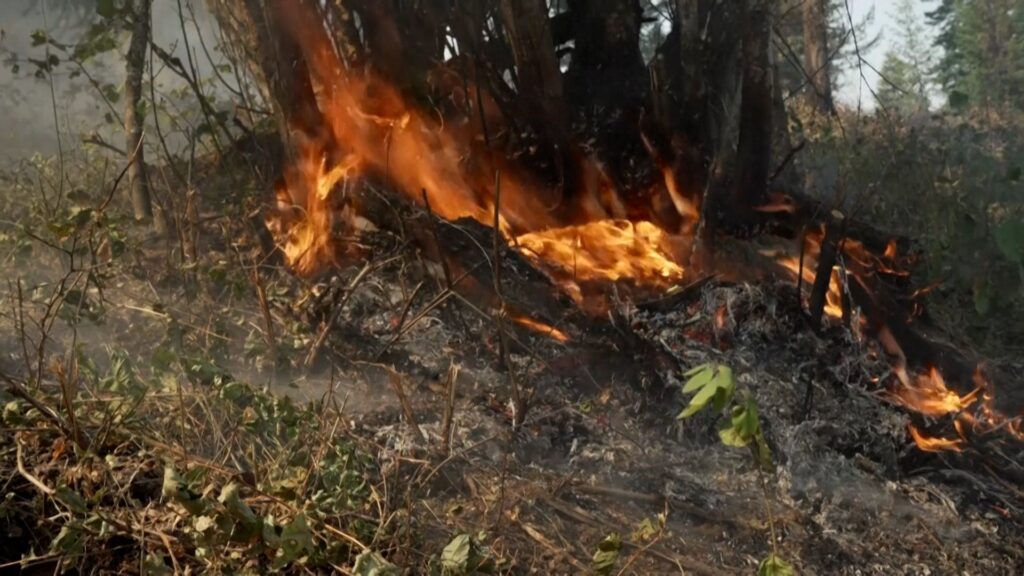
In recent days, devastating wildfires have swept across Washington state and California, leading to large-scale evacuations and significant structural damage. Thousands of residents have been compelled to leave their homes as firefighters battle to contain the rapidly spreading blazes fueled by dry conditions and strong winds.
Washington state is currently grappling with multiple wildfire incidents, one of the most severe seen in recent years. Authorities report that thousands of acres have already been scorched, and emergency services are tirelessly working to safeguard communities at risk. Evacuation orders have been issued in numerous areas, with residents fleeing to safer locations and temporary shelters.
Similarly, California continues to struggle with extensive wildfires, exacerbated by a prolonged dry spell and high temperatures. Hundreds of structures have been destroyed or damaged, contributing to the growing crisis. Firefighting efforts involve coordination among local, state, and federal agencies, with air and ground resources deployed for containment operations.
In total, over a thousand structures across both states have been damaged or destroyed by these relentless fires, representing a significant loss for affected families and communities. The economic impact is still being assessed, but early estimates suggest millions in damages.
Officials have urged residents in vulnerable areas to remain vigilant, adhere to evacuation directives, and prepare for potential power outages caused by firefighting measures and damaged infrastructure. Public safety communications have been intensified to ensure communities receive timely information.
The environmental toll of these wildfires is substantial, with large swaths of forest and wildlife habitats being affected. The smoke from the fires has also caused air quality to deteriorate sharply, posing health risks to residents even in areas not immediately threatened by flames.
Weather forecasts for the coming days offer slight hope as cooler temperatures and possible rainfall may aid firefighting efforts. However, experts warn that the ongoing drought conditions contribute to a prolonged fire season, and vigilance remains crucial.
Community support and humanitarian aid are being mobilized to assist displaced families and address immediate needs such as shelter, food, and medical care. Local organizations and government agencies are coordinating relief measures and preparing for recovery operations once the fires are contained.
In response to the crisis, there are growing calls for long-term strategies to better manage wildfire risks, including improved forest management practices, infrastructure resilience, and community preparedness programs.
The wildfires in Washington and California serve as a stark reminder of the challenges posed by climate change and the increasing frequency and intensity of natural disasters. As firefighting teams continue their valiant efforts, the focus remains on protecting lives, minimizing damage, and fostering resilience in the face of adversity.