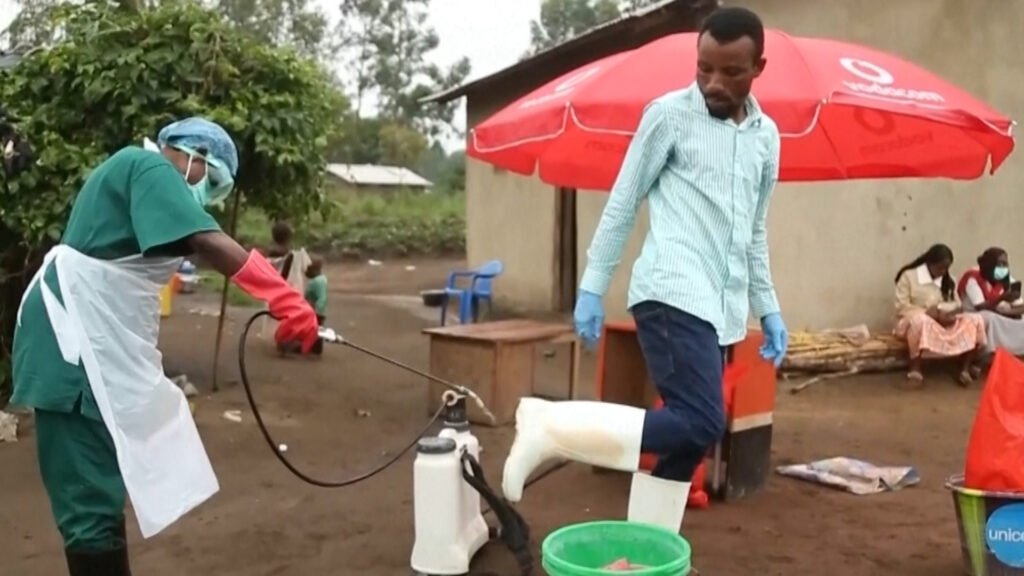
The Ebola outbreak has sharply escalated as healthcare workers have initiated a strike, demanding better pay and working conditions. This labor dispute comes at a critical time when the region desperately needs skilled medical professionals to combat the deadly virus.
Healthcare workers, who form the backbone of the response effort, have expressed deep dissatisfaction with their current compensation, which they say fails to match the risks and demands of battling Ebola. Their strike has led to a significant reduction in available medical staff at treatment centers and hospitals.
The consequences of the strike are already evident. With fewer healthcare workers on the front lines, patient care has suffered, leading to delays in treatment and decreased effectiveness in containing the virus. Experts warn that this could lead to a faster spread of Ebola, putting more lives at risk.
Authorities and international agencies are actively negotiating with the striking workers to reach a settlement. They recognize the vital role of medical staff and the importance of addressing their grievances promptly to ensure the continuity of healthcare services.
The outbreak, which started several months ago, has seen fluctuating case numbers but was recently on a downward trend due to concerted efforts by local health officials and international partners. The strike, however, threatens to reverse these gains.
In addition to pay issues, healthcare workers cite concerns over safety equipment, long working hours, and insufficient support and training. These factors contribute to the high stress and burnout levels among staff and are central to their demands.
The government has announced plans to review compensation packages and improve working conditions but has yet to present a concrete timeline for resolutions. Meanwhile, community leaders urge patience and emphasize that the strike, while impactful, is aimed ultimately at strengthening the health response.
International health organizations have pledged additional support in the form of funding, medical supplies, and personnel to help bridge the gap caused by the strike.
The ongoing crisis highlights the critical need for sustainable investments in healthcare systems, especially in regions vulnerable to infectious disease outbreaks. Adequate compensation and support for healthcare workers are essential to maintaining resilience against current and future health emergencies.
As negotiations continue, the world watches closely, hoping for a quick resolution that restores full medical services and allows the fight against Ebola to regain momentum. The stakes remain high, with the lives of thousands hanging in the balance as the outbreak accelerates amidst the ongoing healthcare workers’ strike.