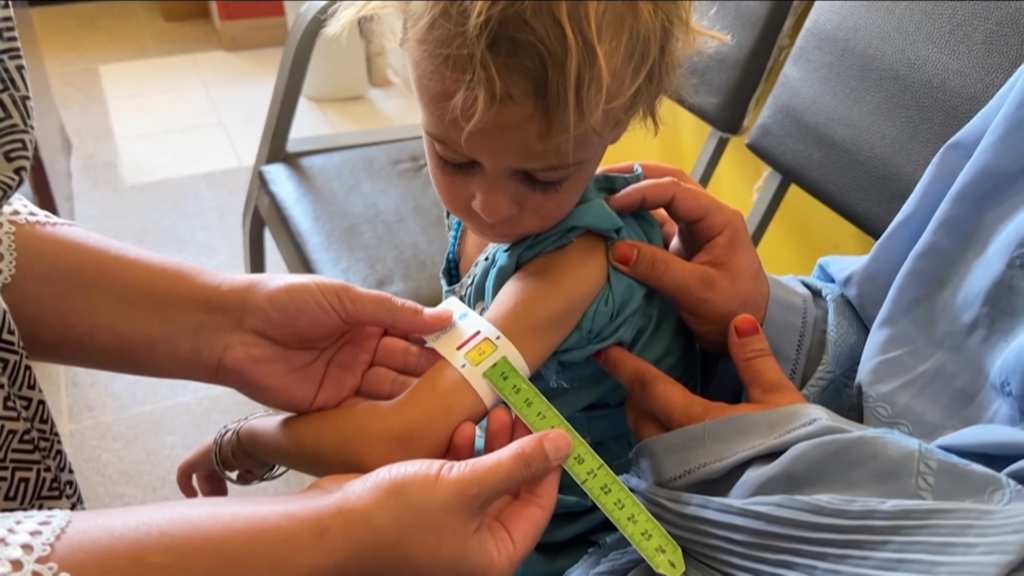
Child wasting, recognized as the deadliest form of child malnutrition, has alarmingly reached critical levels in approximately one-third of Afghanistan’s provinces. This severe condition, characterized by rapid weight loss and muscle wasting, significantly increases the risk of death among children under the age of five.
The rising rates of child wasting reflect the compounded effects of prolonged conflict, economic instability, and disrupted food systems across Afghanistan. Persistent insecurity has limited access to essential healthcare and nutrition services, while recurring droughts and food shortages have further exacerbated child malnutrition.
Health experts warn that child wasting is not only a symptom of immediate food scarcity but also indicative of deeper social and economic issues affecting vulnerable populations. The critical levels seen in many provinces underscore the urgent need for coordinated humanitarian intervention and long-term development strategies.
International organizations and local authorities are calling for immediate scaling-up of nutrition programs, increased food aid, and strengthened health care to prevent further deterioration of child health. Early identification and treatment of wasting cases are crucial to saving young lives and reducing mortality rates.
Child malnutrition, particularly wasting, has far-reaching consequences beyond immediate survival. It affects cognitive development, school performance, and adult productivity, thereby perpetuating cycles of poverty and poor health.
The situation in Afghanistan demands global attention and support to address the humanitarian crisis effectively. Timely and adequate funding, along with political commitment, will be essential to mitigate the impact of malnutrition and safeguard the future of Afghan children.
Efforts must also focus on improving maternal nutrition, sanitation, and access to clean water to tackle the root causes of child wasting. Community-based approaches, including nutrition education and support, can empower families to improve child health outcomes despite ongoing challenges.
In conclusion, the critical rise in child wasting in Afghanistan’s provinces is a dire public health emergency necessitating immediate and sustained action. Without urgent intervention, countless children face the risk of severe health complications and death.
Stakeholders at all levels must collaborate to implement effective nutrition strategies and ensure that Afghan children receive the life-saving care and support they desperately need.