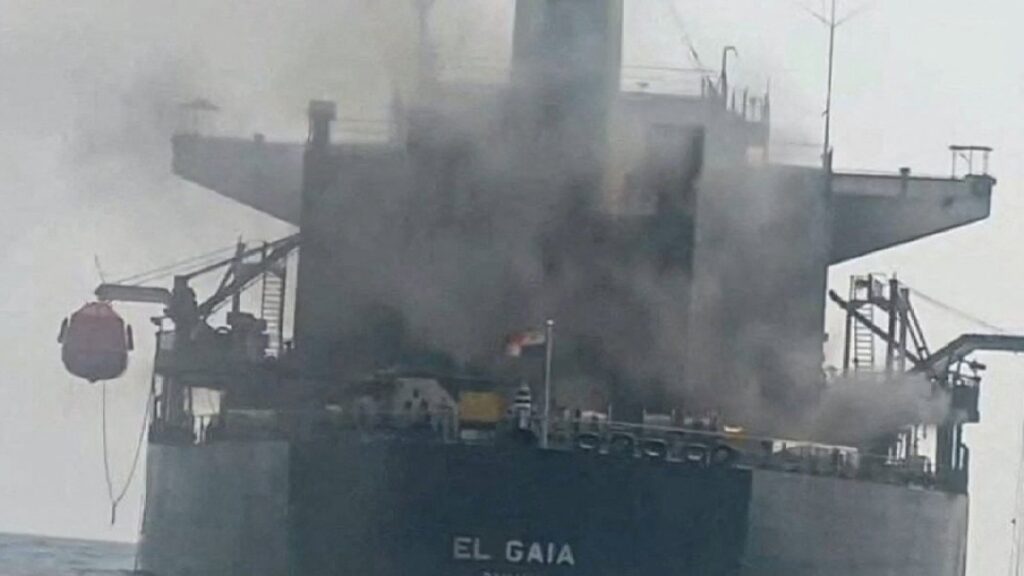
The Strait of Hormuz, a critical maritime chokepoint, has witnessed an intensification of attacks amidst stalled diplomatic efforts to end hostilities involving Iran. The Islamic Revolutionary Guard Corps (IRGC) has issued stern warnings about the importance of maintaining the security and rules governing this vital waterway, underscoring the strategic and geopolitical significance of the region.
The recent surge in incidents follows an increasingly tense environment, where multiple nations have been involved in a complex standoff. The United States Central Command (CENTCOM) has reported actively intervening to disable a vessel attempting to breach naval blockades, a move that aligns with efforts to restrict unauthorized passings and counter what it describes as aggressive maneuvers.
The IRGC’s warnings highlighted the necessity for all parties to adhere strictly to international maritime regulations and recognized practices to avoid further destabilization. The waterway is essential for global energy supplies, with a significant portion of the world’s petroleum passing through it daily. Any disruption here not only affects regional stability but also reverberates through global markets.
The vessel disabled by CENTCOM was reportedly trying to run a blockade imposed to control maritime traffic amidst the conflict, signaling the heightened risks of navigation in the area. CENTCOM’s actions are part of broader security measures aimed at safeguarding allied interests and ensuring freedom of navigation.
International observers have noted that the escalation in hostile incidents could further complicate diplomatic channels already struggling to broker peace. The blockade enforcement and the IRGC’s assertiveness may be interpreted as signals of deeper strategic posturing by Iran and its adversaries.
Efforts to resolve the conflict through negotiations have been challenging, with underlying geopolitical tensions and mutual distrust. The intensified attacks in the Strait of Hormuz raise concerns about potential miscalculations that could trigger broader confrontations.
The global community is thus urged to prioritize dialogue and adhere to international norms governing maritime conduct to prevent a spiraling conflict. The situation demands coordinated international responses to de-escalate tensions and secure safe passage for commerce.
As the region braces for potential further attacks, the international shipping industry closely monitors developments, aware that any significant disruption could have profound economic consequences. Stability in the Strait of Hormuz remains a focal point for diplomatic and military strategists alike.
In conclusion, the increase in attacks within the Strait of Hormuz coupled with stalled peacemaking efforts underscores the fragile security environment in the region. Vigilance, adherence to maritime law, and renewed diplomatic efforts are critical to preventing escalation and safeguarding one of the world’s most important maritime arteries.