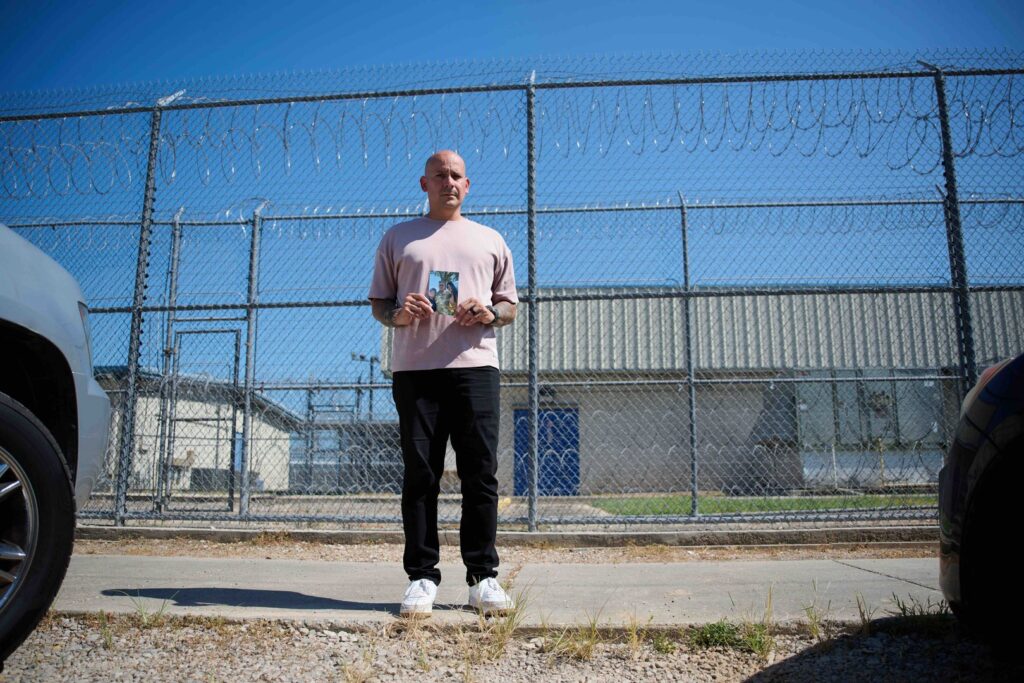
The families of US service members, particularly spouses and parents, are facing a troubling new challenge as immigration protections that once shielded them from deportation have ended. Recent reports indicate that some of these family members have already been detained or deported, raising concerns about the impact on military communities and the individuals involved.
For years, certain immigration protections provided a safeguard for family members of US military personnel, acknowledging the sacrifices made by service members and their loved ones. These protections allowed spouses and parents to reside in the US without the immediate threat of deportation, even if their immigration status was not fully regularized.
However, a recent policy shift or expiration of these protections has left many vulnerable. Family members who previously benefited from these allowances now face detention, potential deportation proceedings, and uncertainty regarding their future in the country.
The implications of this development are profound. Military families often experience unique hardships due to the demanding nature of service duties, and the deportation of relatives can compound these stresses. For service members, the prospect of losing close family support due to immigration enforcement adds emotional strain and logistical challenges.
Advocates and legal experts have voiced concerns about the fairness and humanitarian aspects of these actions. They argue that deporting spouses and parents of military personnel undermines the values of honor and sacrifice that the US military embodies. Moreover, they highlight the potential legal and human rights issues involved in separating families who contribute significantly to the nation’s defense.
Some have called on lawmakers and the administration to reinstate or introduce new protections that recognize the unique contributions and circumstances of military families. Proposals include legislative measures to provide permanent relief from deportation and pathways to citizenship for eligible military family members.
Meanwhile, affected families are seeking legal assistance to navigate the complex immigration system. Community organizations and veterans’ groups are mobilizing to offer support and advocacy, emphasizing the need for compassionate policies that balance enforcement with respect for military service.
The end of immigration protections for US military families serves as a stark reminder of the intersections between immigration policy and national security. As the debate continues, the fate of these families hangs in the balance, highlighting broader questions about how the nation honors and supports those who serve and their loved ones.
In summary, the termination of these protections has put many military families at risk of deportation, sparking legal battles, emotional distress, and calls for policy reform. The situation underscores the importance of addressing immigration issues with sensitivity to the sacrifices of military personnel and the well-being of their families.