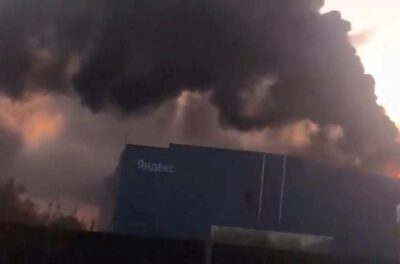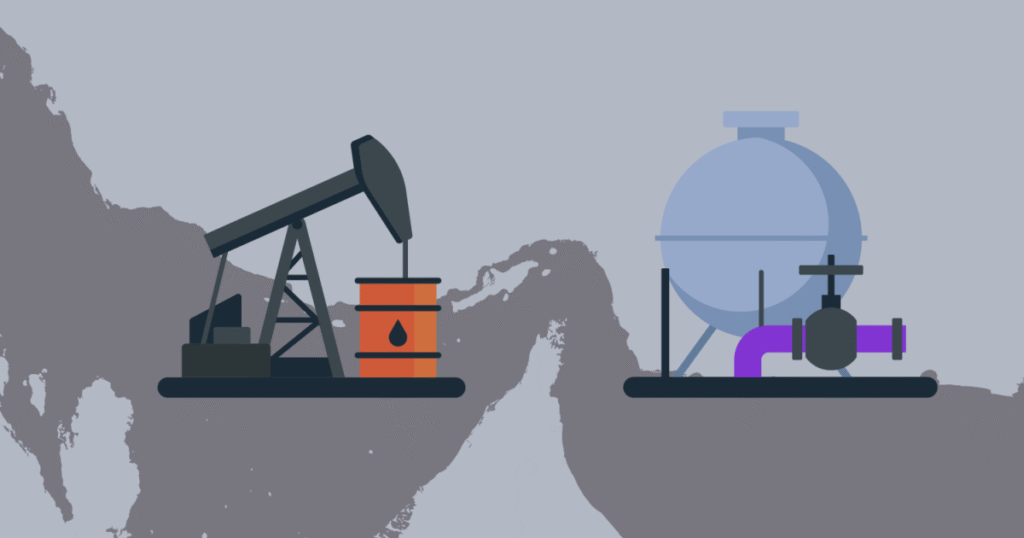
The Iran war has significantly disrupted the world’s energy supply, particularly due to the Middle East’s critical role in the global fossil fuel market. Fossil fuels, which include oil, natural gas, and coal, constitute approximately 81 percent of the global energy consumption. The Middle East, home to some of the largest reserves of oil and gas, is a key player in ensuring the steady flow of these resources to the world.
As conflict erupted in Iran, disruptions in the energy supply chains caused immediate concern among energy markets worldwide. The region’s geopolitical instability has caused fluctuations in oil prices and posed risks to the energy security of many countries. When supplies from Iran and neighboring countries are cut or restricted, the global market experiences a sharp imbalance between demand and supply, leading to price volatility and increased costs for consumers.
The war’s impact can be visualized through multiple charts that detail changes in oil production, export levels, and shifts in the energy mix. One chart illustrates a decline in Iran’s oil output, showing a direct correlation with the escalation of conflict. Another chart tracks the rise in prices of Brent crude and other benchmark oils as tensions heightened.
Furthermore, charts depicting the world’s energy consumption highlight that fossil fuels remain dominant, with 81 percent of energy sourced from these means. This reliance makes any disruption in Middle Eastern oil production especially critical. The charts also show increased interest and investment in alternative energy, though these efforts have yet to significantly diminish the dependence on fossil fuels.
Additional graphical data sheds light on the global trade flows of oil, indicating rerouted shipment paths to avoid conflict zones. Prices for natural gas similarly surged due to interconnected supply chains and market reactions to the instability in the region.
The Iran war thus acts as a potent reminder of the vulnerabilities in the global energy system, emphasizing the need for diversification and investment in resilient energy infrastructure. It also stresses the geopolitical risks tied to the energy sector, underscoring how regional conflicts can ripple through the global economy.
In conclusion, the Middle East’s role as a fossil fuel hub means that conflicts like the Iran war have far-reaching consequences. The charts collectively reveal the critical interplay between geopolitics and energy supply, mapping out the challenges faced by the global community in securing stable, affordable energy in uncertain times.