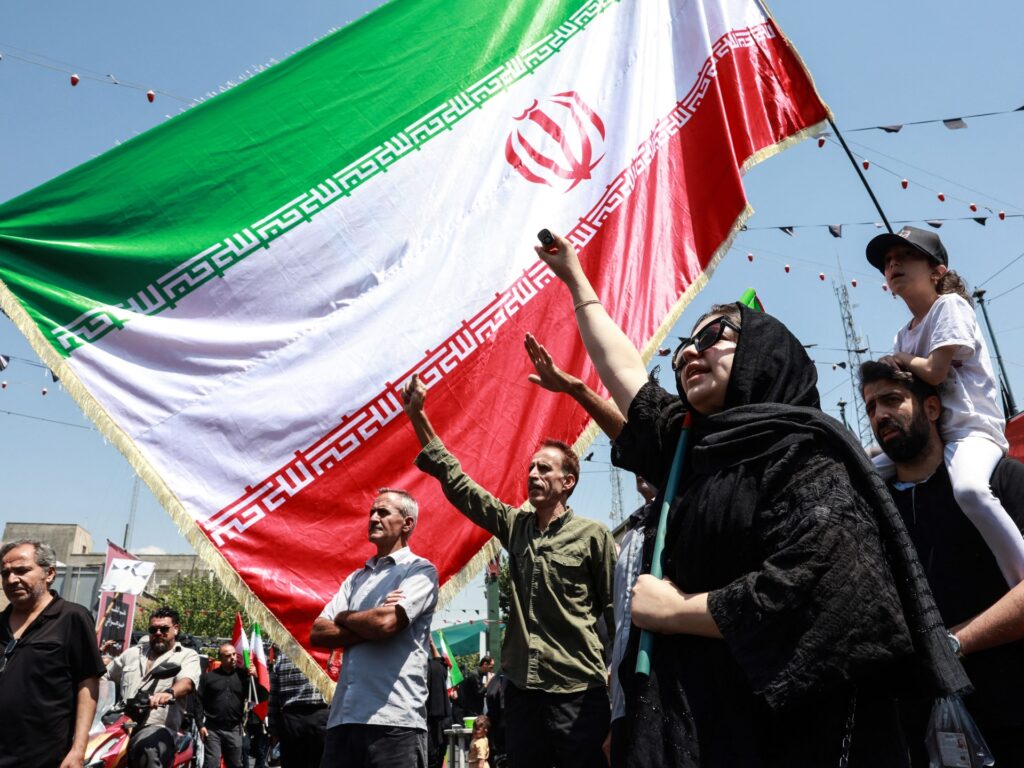
Recent developments in the Middle East have brought heightened tensions and critical negotiations to the forefront of international attention. Fueled by ongoing conflicts and diplomatic maneuvers, the region remains volatile with several significant events unfolding simultaneously.
In the United States, former President Donald Trump has publicly denied any shortages in munitions supplies, addressing speculations related to military readiness amid escalating Middle Eastern conflicts. His statements aim to reassure both military personnel and allies of sustained defense capabilities.
Across the Persian Gulf, Iran and Oman have reportedly reached a near agreement concerning shipping routes through the Strait of Hormuz, a strategic waterway vital for global oil transportation. This understanding is expected to enhance navigational security and reduce the risk of maritime confrontations in the area, which is often a hotspot for geopolitical tension.
Meanwhile, the conflict has intensified on multiple fronts. Houthi forces in Yemen have launched attacks on Saudi tankers, heightening the stakes in the proxy conflict between regional powers and threatening the stability of vital shipping lanes. These attacks could potentially disrupt oil shipments, impacting global markets.
Simultaneously, Israel has conducted airstrikes targeting locations in Lebanon, escalating its long-standing conflict with Hezbollah and raising concerns of wider regional instability. The strikes have drawn international attention and underscore the fragile security environment across Lebanon.
These intertwined developments underscore the complex dynamics shaping the Middle East, with each action influencing the broader geopolitical landscape. The potential Iran-Oman agreement on the Strait of Hormuz shipping routes could serve as a stabilizing factor, but ongoing military engagements indicate persistent volatility.
As diplomatic efforts continue and military activities evolve, the global community remains watchful. The interactions among Iran, Oman, Saudi Arabia, Yemen, Israel, and Lebanon reflect deep-seated rivalries and alliances that could define the geopolitical trajectory of the region for years to come.
The situation also highlights the importance of international diplomatic engagement and conflict resolution mechanisms to prevent further escalation and promote stability in this strategic part of the world.