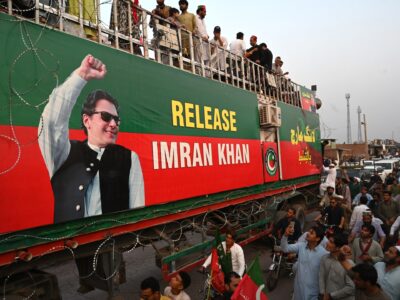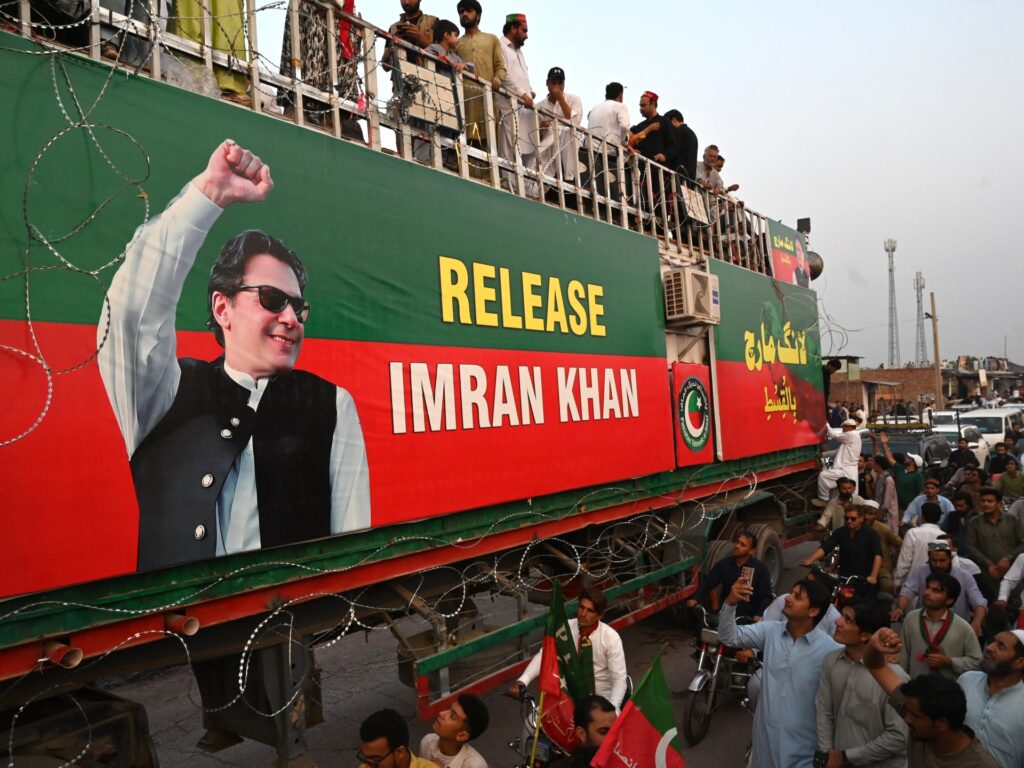
In a significant political development, Pakistan has imposed emergency rule in the Khyber Pakhtunkhwa (KP) province, effectively suspending the provincial government. This extraordinary measure targets the administration led by the party of former Prime Minister Imran Khan, who is currently incarcerated.
The emergency rule was announced amid rising political tensions and unrest in the region. The move has been perceived as an assertive step by the federal government to regain control over KP’s governance, which has been a stronghold of Imran Khan’s party. This development marks a critical juncture in Pakistan’s political landscape, as the federal authorities take direct control of the provincial affairs.
Under the newly imposed emergency rule, the regular functions of the KP provincial government are halted. Powers typically vested in the elected assembly and its representatives are now overseen by the federal administration. This includes the authority to manage the province’s law and order, administrative decisions, and oversight of public resources.
The suspension of the provincial government has elicited mixed reactions within Pakistan and from the international community. Supporters of the federal government’s move argue that it is necessary to restore stability and prevent further political unrest. Conversely, opponents view the emergency decree as an undemocratic measure that undermines the provincial autonomy and the democratic mandate of the elected representatives.
Imran Khan’s party, which has championed significant reforms and political activism in KP, faces a period of uncertainty. The imprisoned former prime minister remains a charismatic and influential figure whose detention has already sparked widespread demonstrations and dissent. The emergency rule is likely to exacerbate tensions and deepen political divisions within the province and the country at large.
Historically, Pakistan has witnessed the use of emergency measures during times of political crises to maintain order or consolidate federal power. However, such measures are often controversial due to their impact on democratic processes and civil liberties.
The exact duration of the emergency rule in Khyber Pakhtunkhwa remains unclear, as federal authorities have not specified a timeline for restoring the provincial government. The move has raised concerns among political analysts about the potential for increased instability and the implications for upcoming elections in the region.
While the federal government insists that the emergency rule is a temporary and necessary action, the political opposition has vowed to resist what they describe as a power grab. Both sides warn of escalating confrontations, which may lead to further political unrest or even violence.
In addition to the political implications, there are concerns about the impact on governance and public services in the province. The suspension of the provincial government could delay development projects, disrupt administrative functions, and affect the delivery of essential services to the residents of KP.
Observers note that the federal decree places Pakistan at a crossroads, balancing between maintaining order and upholding democratic principles. International stakeholders are closely monitoring the situation, urging all parties to seek peaceful and constitutional solutions to the crisis.
As events continue to unfold, the imposition of emergency rule in Khyber Pakhtunkhwa stands as a significant chapter in Pakistan’s ongoing political saga, reflecting deep-seated challenges and the resilience of its democratic institutions.
The coming days are expected to reveal how this emergency will influence the broader political landscape across Pakistan and whether it will lead to lasting changes in the relationship between federal and provincial governance. Meanwhile, citizens of Khyber Pakhtunkhwa and political actors nationwide remain watchful and hopeful for a resolution that preserves stability and democratic integrity.