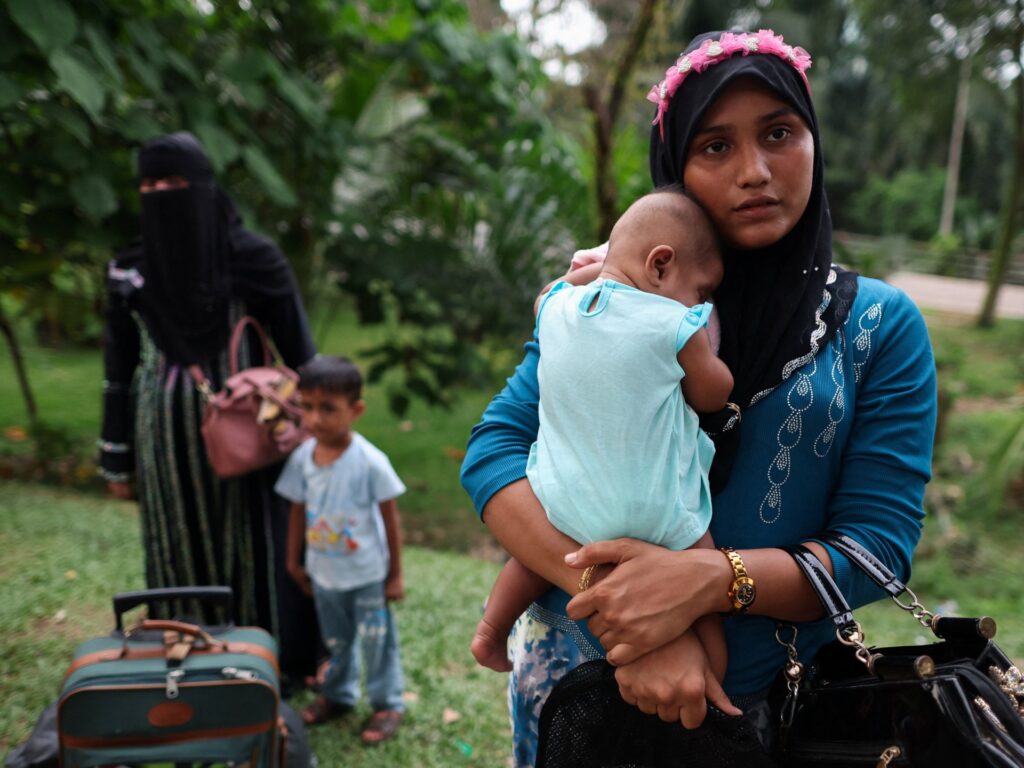
Malaysia has confirmed its commitment to protect Rohingya refugees by refusing to repatriate them to Myanmar as long as their lives remain at risk. The Rohingya, an ethnic minority from Myanmar, have faced decades of persecution, violence, and human rights abuses, leading many to seek refuge in neighboring countries.
Currently, Malaysian authorities are screening approximately 5,000 Rohingya refugees to determine their status and provide the necessary assistance. This screening process aims to identify those in most urgent need of protection and to help facilitate their access to humanitarian aid and legal support.
Rights groups have continued to raise alarms about the ongoing risks these refugees face if returned to Myanmar. Despite some international efforts to address the crisis, the situation remains precarious for the Rohingya community, who have been subject to systematic discrimination and violence within Myanmar.
Malaysia’s stance marks a significant pledge to uphold human rights and protect vulnerable populations fleeing persecution. By refusing to send refugees back to dangerous conditions, Malaysia joins other nations committed to international refugee protection principles.
The Rohingya crisis, sparked by a complex blend of ethnic tensions, political strife, and military actions in Myanmar, has displaced hundreds of thousands of people across Southeast Asia. Many have found temporary shelter in Malaysia, though they face challenges such as limited access to work, education, and healthcare.
Organizations advocating for refugees emphasize the importance of continued international pressure on Myanmar to ensure the safety and rights of the Rohingya. Sustainable solutions require cooperation from global actors, including the United Nations, ASEAN, and regional governments.
Malaysia’s vow not only underscores the immediate humanitarian responsibility but also highlights the need for a long-term resolution to the Rohingya crisis. Efforts are ongoing to provide better living conditions for refugees in Malaysia while diplomatic channels seek peaceful pathways for eventual repatriation—only when conditions in Myanmar are deemed safe.
In summary, Malaysia’s commitment to protect Rohingya refugees from forced return amid ongoing persecution signals a meaningful step in regional refugee protection initiatives. Continued monitoring, international cooperation, and humanitarian support remain critical to safeguard the rights and wellbeing of the Rohingya people.