In a significant development in Somalia’s ongoing conflicts, Puntland forces have successfully seized control of a government-held military camp in Galkayo. The takeover follows intense clashes between Puntland troops and federal-aligned forces, which resulted in the retreat of the latter from the strategic location.
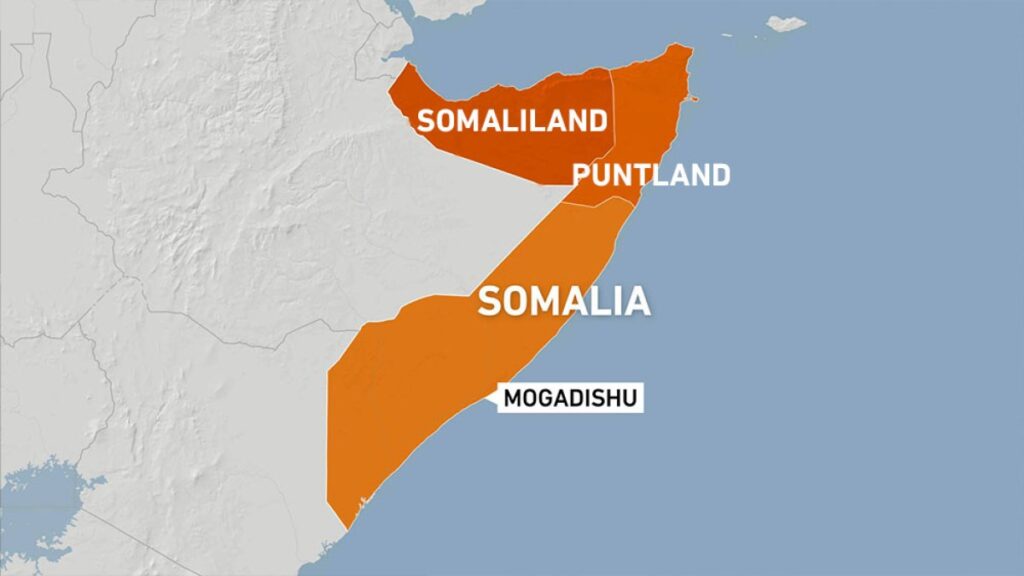
The confrontation in Galkayo, a key city that has witnessed frequent skirmishes due to its strategic importance, highlights the fragile security situation in Somalia. Puntland, a semi-autonomous region in northeastern Somalia, has been engaged in territorial disputes with the federal government and other militias over control of areas in the Mudug region, where Galkayo is located.
According to Puntland authorities, the capture of the camp was part of a coordinated military operation aimed at securing the area and restoring stability. The federal-aligned forces reportedly withdrew without prolonged engagement after facing fierce resistance from Puntland troops.
This victory for Puntland forces underscores the ongoing power struggle between regional administrations and the federal government in Somalia. The clashes reflect the challenges the central government faces in unifying the country’s various armed groups under a single command structure.
Galkayo has often been a hotspot for conflict due to its divided governance between Puntland and Galmudug regions, each supported by different armed factions. The city serves as a vital commercial and military hub, making control over it highly contested.
The Puntland administration has stated that the seizure of the camp is intended to enhance security and prevent further disruptions caused by rival forces. Local residents have expressed mixed reactions, with some hopeful that the move will bring a measure of peace, while others fear it could escalate tensions further.
Somalia’s security landscape remains complex, with multiple actors—including clan militias, Islamist groups like Al-Shabaab, and regional forces—competing for influence and territory. Despite efforts by the federal government and international partners to stabilize the country, clashes such as the one in Galkayo persist.
The latest operation by Puntland forces may signal a shift in the balance of power in the region, potentially affecting ongoing negotiations and peace efforts. Observers warn that without inclusive dialogue and political solutions, military confrontations could continue to undermine Somalia’s fragile state-building process.
As Puntland consolidates its position in Galkayo, attention turns to how the federal government will respond and whether it can assert authority over contested areas. The international community has called for calm and urged all parties to engage in constructive talks to prevent further violence.
In summary, the seizure of the government-held camp in Galkayo by Puntland forces marks a critical moment in Somalia’s complex and multi-layered conflict. It highlights regional rivalries, challenges to national unity, and the ongoing struggle for control in a fragmented state. The path forward will likely require renewed commitment to dialogue and reconciliation to achieve lasting peace and stability in Somalia.