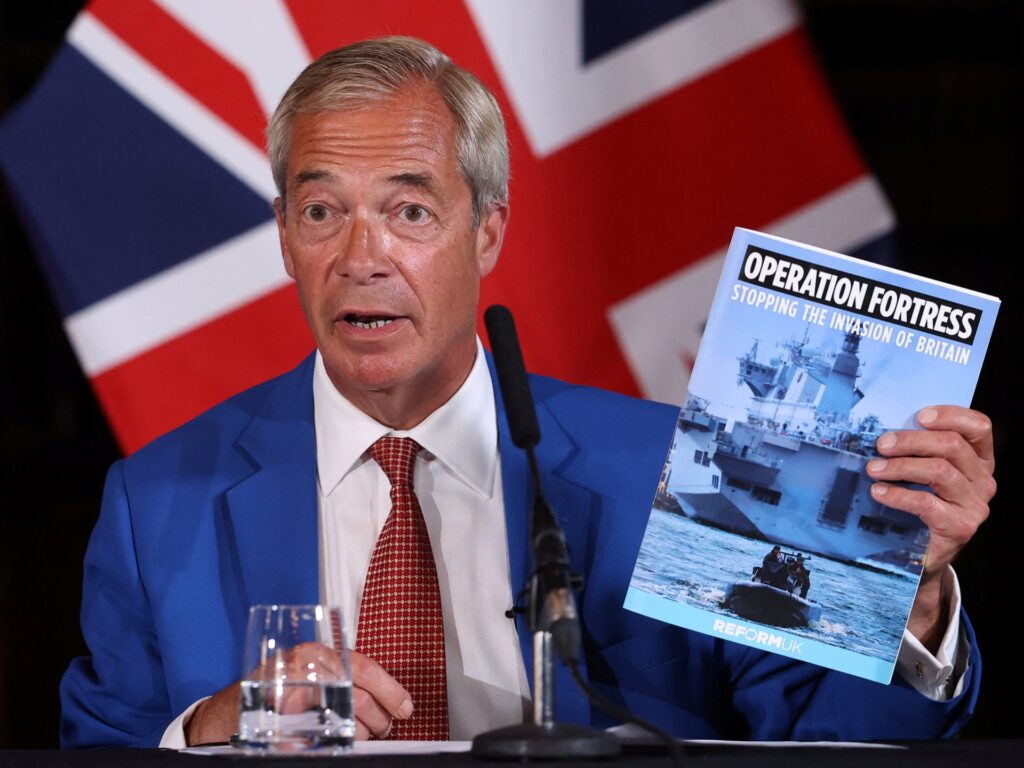
Reform UK, led by Nigel Farage, has unveiled a controversial plan titled ‘Operation Fortress’ aimed at returning asylum seekers to their countries of origin using the Royal Navy. The scheme is presented as a means to halt what the party describes as an ‘invasion’ of migrants entering the UK. While proponents argue the initiative would strengthen border security and deter illegal crossings, numerous experts and critics warn that the plan is fraught with practical and ethical challenges.
The essence of ‘Operation Fortress’ involves deploying naval vessels to intercept migrant boats in the English Channel and transport their occupants back to their countries of departure. Reform UK claims this approach will eliminate the cycle of dangerous small-boat crossings and dismantle people-smuggling networks.
However, legal experts highlight significant obstacles, including compliance with international maritime and asylum laws. The UK’s obligations under international human rights conventions could be compromised, as forcibly returning asylum seekers without proper individual assessments violates established protections.
Moreover, operational feasibility comes into question. The Royal Navy is primarily tasked with national defense, and diverting resources to patrol and intercept migrant vessels may stretch capabilities and risk safety. Experts point out that the unpredictable nature of maritime operations and variable weather conditions could endanger both migrants and naval personnel.
Human rights organizations have also voiced strong opposition, arguing that naval interdictions risk treating vulnerable individuals as security threats rather than people in need of protection. The prospect of sending asylum seekers back without due process raises ethical concerns about refoulement—return to danger in their home countries.
Critics further label the rhetoric surrounding the plan as inflammatory, with the use of terms like ‘invasion’ fostering fear and hostility towards migrants. Many assert that comprehensive migration solutions require cooperation, humanitarian considerations, and addressing root causes in source countries, rather than militarized responses.
Government officials have yet to endorse Reform UK’s proposal, emphasizing that current policies focus on safe, legal routes and dismantling criminal gangs. The Home Office continues to promote processing asylum claims through established procedures and working with European partners.
Analysts warn that adopting ‘Operation Fortress’ could strain UK-Europe relations, as intercepting boats near or within territorial waters touches on complex jurisdictional issues. Additionally, redirecting military assets for migration enforcement could distract from broader defense priorities amid global security challenges.
In summary, while ‘Operation Fortress’ aims to present a strong stance on border protection, experts contend that the plan is unrealistic, legally dubious, and potentially dangerous in execution. The debate underscores the ongoing tension between immigration control, human rights, and the practical limits of enforcement strategies in managing asylum seeker arrivals.