The Justice and Development Party (Parti de la Justice et du Développement, PJD) in Morocco, once a dominant political force with its Islamic reference, experienced a significant defeat in the 2021 elections that reshaped its political landscape.
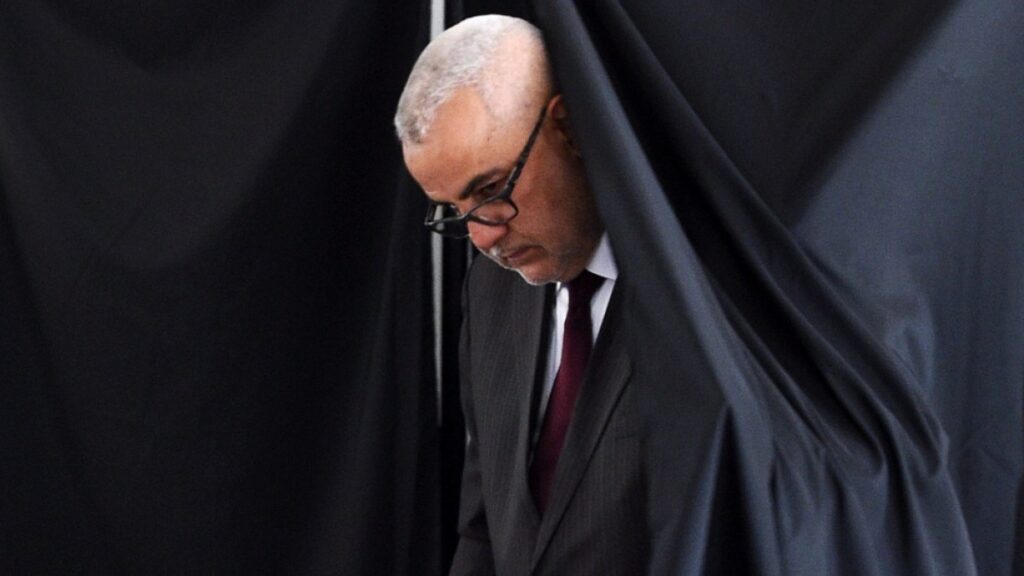
The party, which has been central to Moroccan politics for years, had to reckon with the consequences of its electoral collapse. The fall was dramatic and unexpected, leading to intense introspection and a period of rebuilding under the leadership of Abdelilah Benkirane.
This defeat highlighted several challenges the PJD faced, including internal divisions, public dissatisfaction with governance, and the complexities of balancing its Islamic identity with pragmatic politics in a diverse society.
In the aftermath, the PJD has sought to learn from the mistakes that led to its loss. The party is now focusing on reconnecting with its base, addressing socio-economic issues more effectively, and presenting a more cohesive and modern political agenda that resonates with younger and more diverse voters.
Under Benkirane’s renewed leadership, the PJD emphasizes transparency, accountability, and internal reform. The party aims to distance itself from past controversies and improve its image to regain public trust.
The rebuilding process includes engaging more deeply with grassroots movements and civil society to better understand the needs and aspirations of the Moroccan population.
Despite the challenges, the PJD remains a significant political entity with the potential to influence Morocco’s future political discourse.
Experts suggest that the party’s survival and revival depend largely on its ability to adapt to the evolving political environment while maintaining its ideological core.
Trust restoration will be gradual, as the Moroccan electorate evaluates whether the PJD’s new approach can deliver tangible improvements in governance and social justice.
The PJD’s journey from a position of power to political obscurity and now hopeful revival is a compelling study in political resilience, adaptability, and the ongoing negotiation between religion and politics in Morocco.
Observers remain keenly interested in how the PJD will navigate upcoming elections and whether it can successfully reestablish itself as a credible force in Moroccan politics.
Ultimately, the party’s future hinges on its ability to learn from past failures and present a renewed vision that addresses both its supporters’ expectations and the broader needs of Moroccan society.