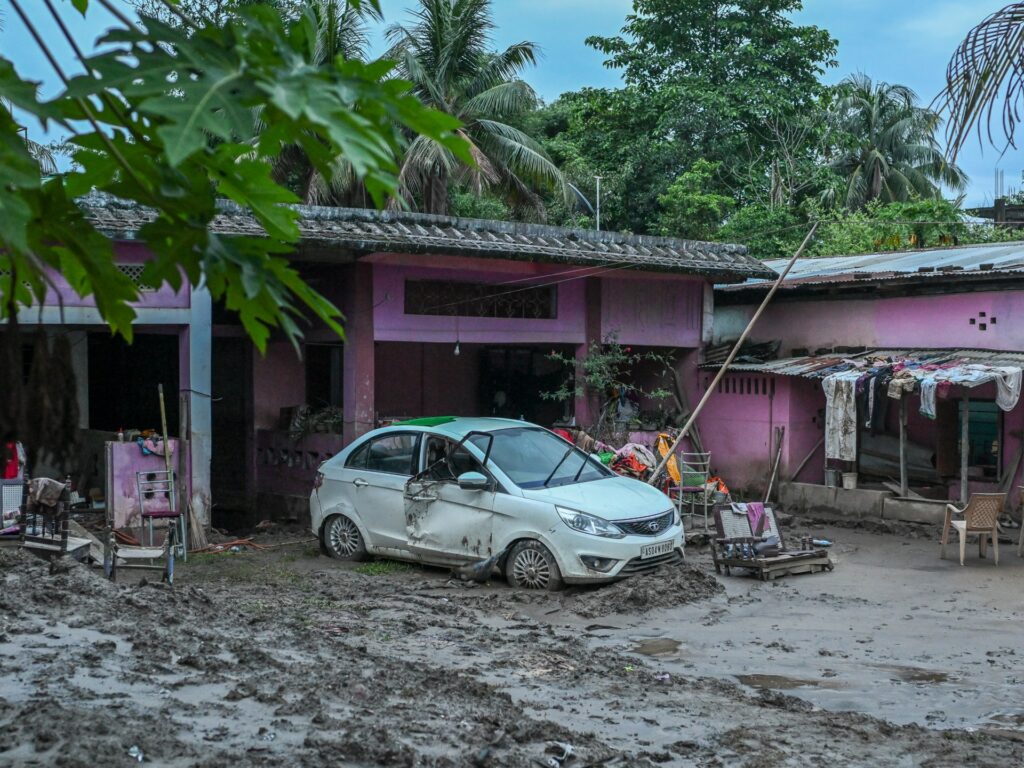
India is grappling with a severe monsoon season characterized by intense rainfall, floods, and landslides that have claimed more than 100 lives since July. This year’s monsoon has been exceptionally harsh, triggering widespread devastation across several states. The extreme weather events underscore the growing impact of climate change and the influence of the El Niño phenomenon on India’s traditional rainfall patterns.
The Indian Meteorological Department (IMD) has confirmed that these disruptions have led to unpredictable and concentrated bouts of heavy rain, resulting in flash floods and soil erosion. The floods have inundated vast agricultural lands, displacing thousands of families and damaging infrastructure including roads, bridges, and homes.
Landslides have been particularly deadly in hilly regions such as Uttarakhand and Himachal Pradesh, where saturated slopes have collapsed, burying villages under mudslides. Rescue operations are ongoing, but access to certain remote areas remains challenging, delaying aid to affected communities.
Experts point out that climate change has intensified the frequency and severity of such extreme weather events by altering monsoon dynamics. The warming atmosphere holds more moisture, leading to heavier downpours over shorter periods. Concurrently, El Niño—a periodic warming of sea surface temperatures in the Pacific Ocean—has disrupted traditional monsoon cycles, exacerbating droughts in some areas and floods in others.
Government agencies have been mobilizing resources for relief and rehabilitation efforts. Emergency funds, temporary shelters, and medical aid have been deployed to the worst-hit regions. Authorities are also emphasizing the need for improved disaster preparedness, better early warning systems, and climate-resilient infrastructure to mitigate future risks.
The monsoon season is critical for India’s agrarian economy, as it replenishes groundwater and supports crop production. However, the erratic and intense rainfall patterns this year threaten food security and livelihoods, raising concerns among farmers and policymakers alike.
Climate scientists warn that without urgent global action to curb greenhouse gas emissions, such extreme monsoon events will become more frequent and devastating. They advocate for sustainable water management practices, reforestation, and community-based adaptation strategies to build resilience against a changing climate.
In summary, India’s monsoon season this year has proven to be one of the most severe in recent memory, with tragic loss of life, widespread flooding, and infrastructural damage. It brings to the forefront the pressing challenges posed by climate change and the urgent need for comprehensive measures to protect vulnerable populations and ecosystems.