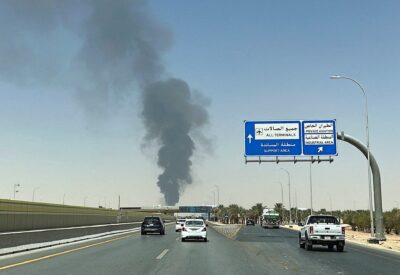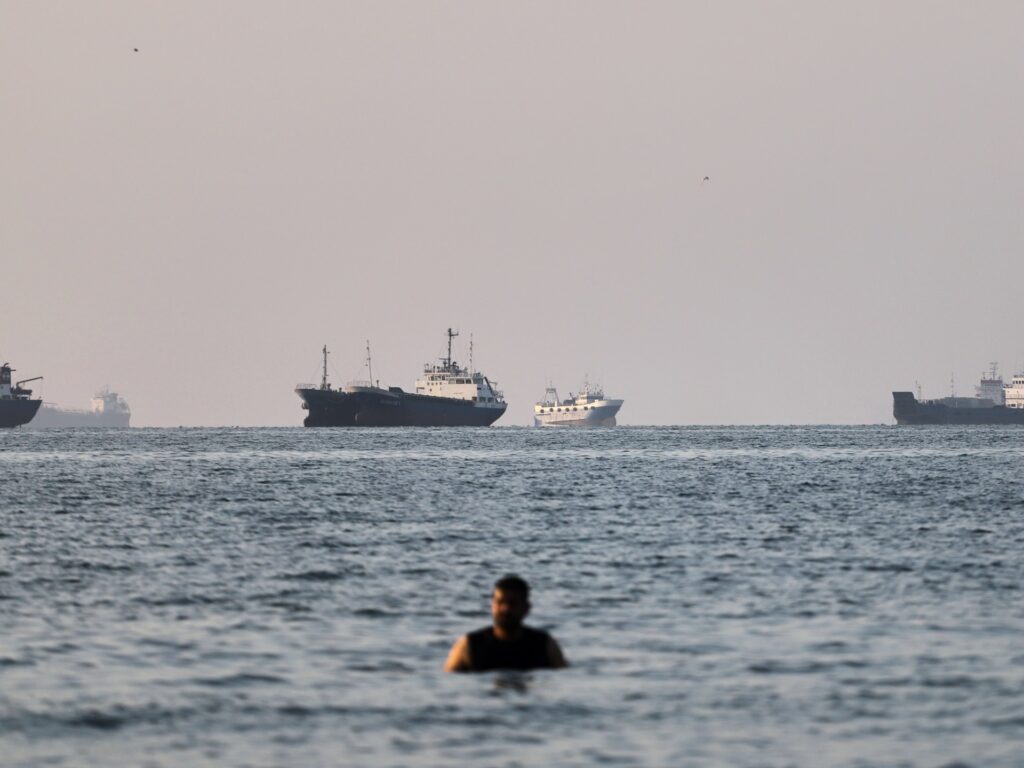
In a significant development amid growing Middle East tensions, Iran and Oman have reportedly held talks concerning the strategic Strait of Hormuz, with Iranian officials describing the discussions as ‘positive.’ This diplomatic engagement signals a possible easing of tensions in a region critical for global oil supply.
The Strait of Hormuz, a narrow passage connecting the Persian Gulf to the Gulf of Oman and the Arabian Sea, is a vital waterway through which approximately 20% of the world’s petroleum passes. Given this strategic importance, any instability in the region has far-reaching consequences for global energy markets and international security.
Sources from the United States have indicated that a diplomatic deal regarding the strait might be achievable soon, suggesting that ongoing negotiations could lead to de-escalation. The specifics of the talks remain confidential, but both Iran and Oman appear committed to managing and securing the waterway against potential hostile actions that could disrupt shipping traffic.
The timing of these talks coincides with heightened concerns over maritime security, as a commercial vessel was reportedly hit in the Red Sea, an adjacent critical shipping route. The incident has alarmed international observers, underscoring the volatility of the broader region and the risks facing merchant shipping.
Iran’s engagement with Oman – a nation often regarded as a neutral mediator in Gulf affairs – hints at a pragmatic approach by Tehran to stabilize the region diplomatically. Oman has historically balanced relations with both Western powers and Iran, enabling it to facilitate dialogue where direct U.S.-Iran negotiations have faced difficulties.
U.S. officials remain cautiously optimistic about the prospects for a deal. They emphasize the importance of these talks in preventing broader conflict and ensuring the free passage of commercial vessels vital for international trade.
While the details of the discussions have not been fully disclosed, the positive tone set by Iranian statements points to an intent to cooperate on maritime security issues. Ensuring safe navigation through the Hormuz Strait could help ease regional tensions and reduce the risk of military confrontations.
The attack on the commercial ship in the Red Sea adds urgency to diplomatic efforts, raising questions about the perpetrators and underlying motives. This event highlights the precarious security situation in key maritime corridors, which are susceptible to geopolitical rivalries and asymmetric warfare tactics, including attacks on civilian vessels.
Analysts suggest that if a lasting agreement is reached between Iran and Oman, it could pave the way for broader regional cooperation to secure international waterways. Such cooperation is crucial for maintaining uninterrupted energy exports and stabilizing global markets.
The international community is closely monitoring these developments, with several nations calling for restraint and peaceful resolutions amidst escalating tensions. Maintaining open and secure sea lanes remains a priority for the global economy.
In summary, the ongoing Iran-Oman talks represent a hopeful sign for reducing conflict risks at the Strait of Hormuz. Coupled with the urgent need to respond to security threats like the recent Red Sea ship attack, these diplomatic efforts are critical for regional stability and global maritime safety.