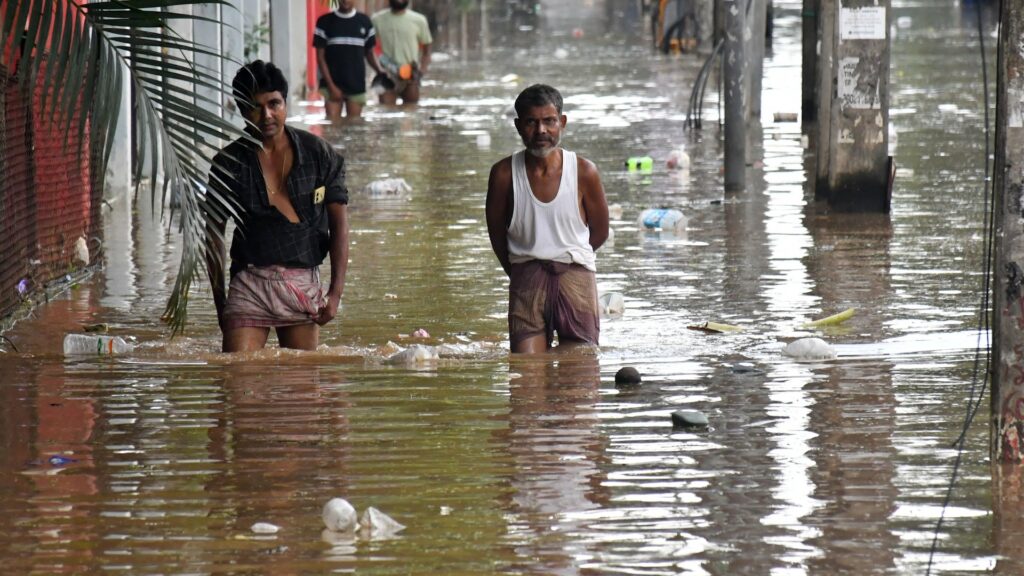
The northeastern Indian state of Assam continues to grapple with devastating floods caused by the monsoon rains, which have resulted in the loss of 87 lives so far. The rising death toll underscores the severity of the situation as rivers have overflowed, submerging large areas and displacing thousands of residents.
Floodwaters have inundated vast regions, including homes, agricultural fields, and critical infrastructure, leaving many communities isolated. Authorities have reported widespread damage to roads, bridges, and communication lines, complicating rescue and relief operations.
Many flood victims are currently living in makeshift shelters as relief camps struggle to accommodate the overwhelming number of displaced people. These temporary shelters often lack basic amenities, making the affected population vulnerable to health hazards.
The government of Assam has deployed disaster response teams and is coordinating with the National Disaster Response Force (NDRF) to conduct rescue missions and deliver essential supplies such as food, clean water, and medical aid. However, persistent rains and rising water levels continue to hinder efforts.
Agricultural losses are significant, with floodwaters damaging standing crops and livestock, placing additional economic pressure on rural communities dependent on farming. Authorities fear that the flood’s impact could lead to food shortages and increased prices in the coming months.
Local health officials are warning of possible outbreaks of waterborne diseases due to the stagnant water and poor sanitation conditions in the relief camps. Efforts to provide vaccinations and health check-ups are underway, but the scale of displacement presents ongoing challenges.
The monsoon season typically brings heavy rainfall to Assam, but experts point out that climate change may be contributing to the increasing frequency and intensity of such extreme weather events. There are calls for more robust flood management and early warning systems to mitigate the effects in the future.
Meanwhile, community volunteers and NGOs are playing a critical role in supporting affected families by distributing relief materials and assisting with rehabilitation efforts.
As Assam faces this challenging period, the focus remains on saving lives, restoring affected areas, and preparing for the aftermath of one of the worst monsoon floods in recent years.