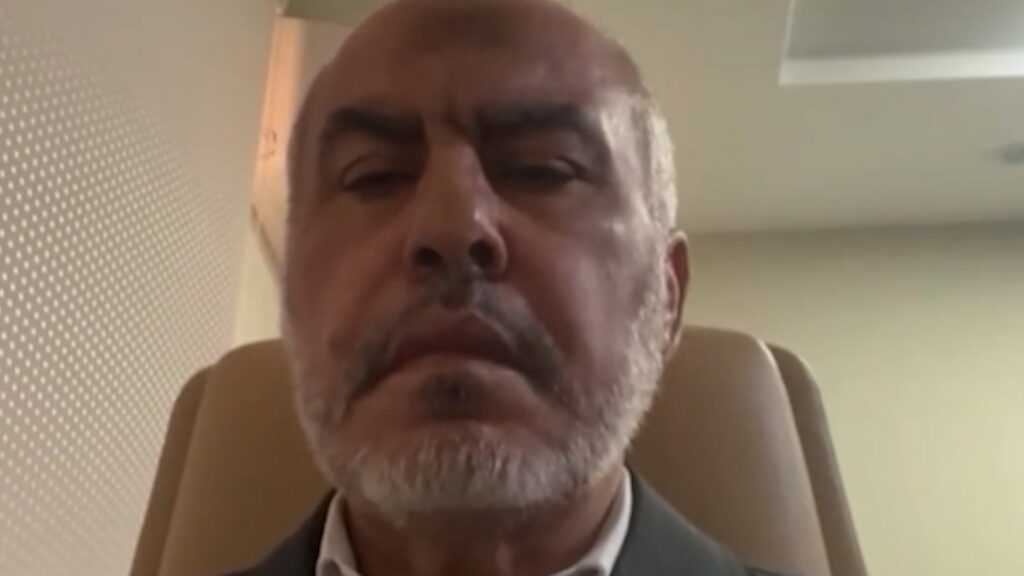
In a recent statement that has drawn significant attention, a senior Hamas negotiator disclosed that a crucial agreement to disarm was made out of necessity to ‘save Gaza.’ This revelation adds a new dimension to the ongoing conflict and peace processes in the region.
The negotiator, whose identity has been kept confidential for security reasons, emphasized that the decision for disarmament was not taken lightly. According to the statement, the dire conditions in Gaza — including economic hardship, infrastructural devastation, and international isolation — compelled Hamas to seek compromise measures that included reducing armaments.
Gaza, a densely populated area under blockade and frequent conflict, has been a focal point of tension for years. The humanitarian crisis in the region has escalated, with many civilians caught in the crossfire of military actions, contributing to an overwhelming need for a sustainable solution.
The decision to agree to disarm was framed as a strategic move rather than mere capitulation. The negotiator highlighted that this action was aimed at alleviating suffering and opening pathways for humanitarian aid and potential economic rehabilitation.
International observers have noted that such a deal could pave the way for renewed negotiations and potentially a broader peace framework involving multiple stakeholders in the Middle East. However, skepticism remains regarding enforcement and guarantees of safety and political representation for the people of Gaza.
The agreement reportedly includes provisions for monitoring and verification to ensure compliance from all parties involved. This aspect is critical to maintaining trust and preventing future escalations.
Critics of the deal argue that disarmament might leave Gaza vulnerable to external threats and undermine the faction’s ability to defend its population. Supporters, meanwhile, view the move as a courageous step towards peace and recovery.
The Hamas negotiator appealed to the international community to support Gaza through this transitional period, emphasizing that patience and cooperation are essential for the success of this delicate arrangement.
As global actors digest the implications of this development, the focus will undoubtedly be on the implementation of the deal and the ongoing efforts to improve the living conditions of Gazans amid a complex geopolitical landscape.
In conclusion, the disclosed deal to disarm by Hamas highlights the challenging choices faced in conflicts where humanitarian concerns intersect with political and security imperatives. This development marks a potentially pivotal moment in the quest to ‘save Gaza’ and foster a more stable and peaceful future for its inhabitants.