The ongoing conflict between Russia and Ukraine has escalated into a new phase marked by long-range missile and drone strikes far beyond the immediate front lines. This disturbing development has resulted in a mounting civilian death toll, with nine people reported killed in recent attacks that have targeted both Russian and Ukrainian territories.
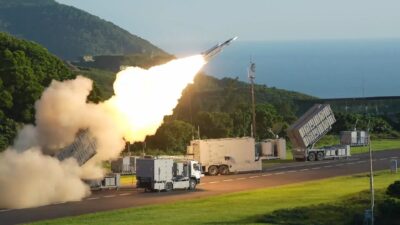
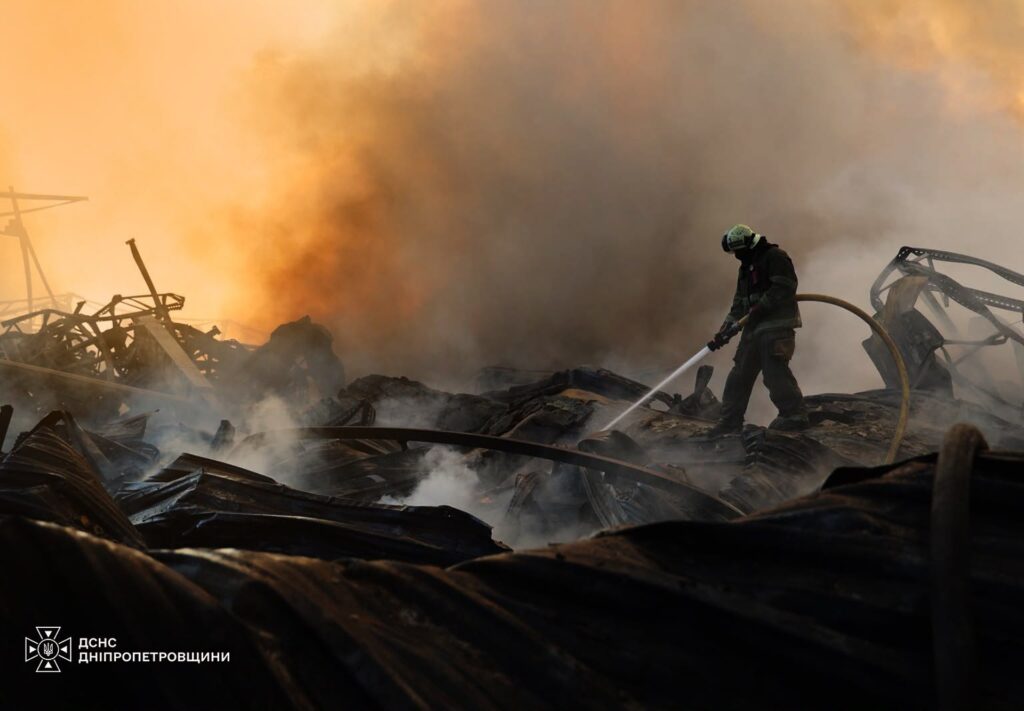
These strikes signify a troubling shift in the war’s dynamics, as both countries increasingly deploy advanced weaponry capable of reaching deep into enemy territory. The attacks have not only intensified military engagements but have also caused significant collateral damage, affecting civilian populations and infrastructure.
In recent weeks, both Russia and Ukraine have accused each other of conducting deliberate attacks on populated areas, citing intelligence and surveillance data to justify retaliatory measures. The use of long-range missiles and drones, capable of striking cities and towns far from the frontline combat zones, has raised international concern over the potential for widespread humanitarian consequences.
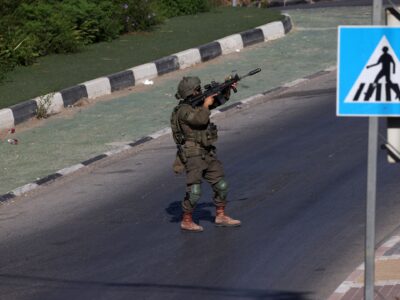
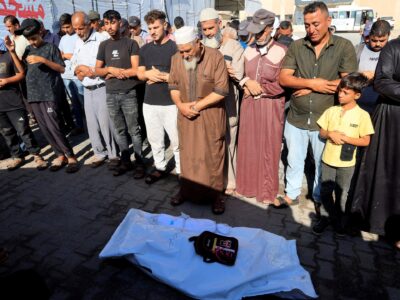
Casualty reports indicate that the nine fatalities include men, women, and children caught in the crossfire. Emergency responders have struggled to provide adequate assistance amid ongoing hostilities, with hospitals and medical facilities stretched to their limits.
Experts warn that this pattern of remote, high-precision attacks could prolong the conflict by increasing tensions and retaliation cycles, making diplomatic resolutions more difficult. The international community is calling for restraint and adherence to international humanitarian law to protect civilian lives.
The escalation also underscores the growing role of drone warfare and missile technology in modern conflicts, highlighting the challenges in preventing civilian harm and maintaining security in contested regions. Both Russia and Ukraine have ramped up their military capabilities, signaling a commitment to sustaining offensive capabilities despite the human cost.
As the situation evolves, monitoring and verification by independent observers remain crucial to assess the full impact and promote accountability. Humanitarian organizations are urging immediate ceasefires and safe corridors to evacuate civilians from high-risk areas.
This new phase of the Russia-Ukraine conflict reminds the world of the devastating implications of modern warfare technologies when deployed in populated regions, emphasizing the urgent need for renewed peace initiatives to halt the suffering of civilians caught in the conflict.