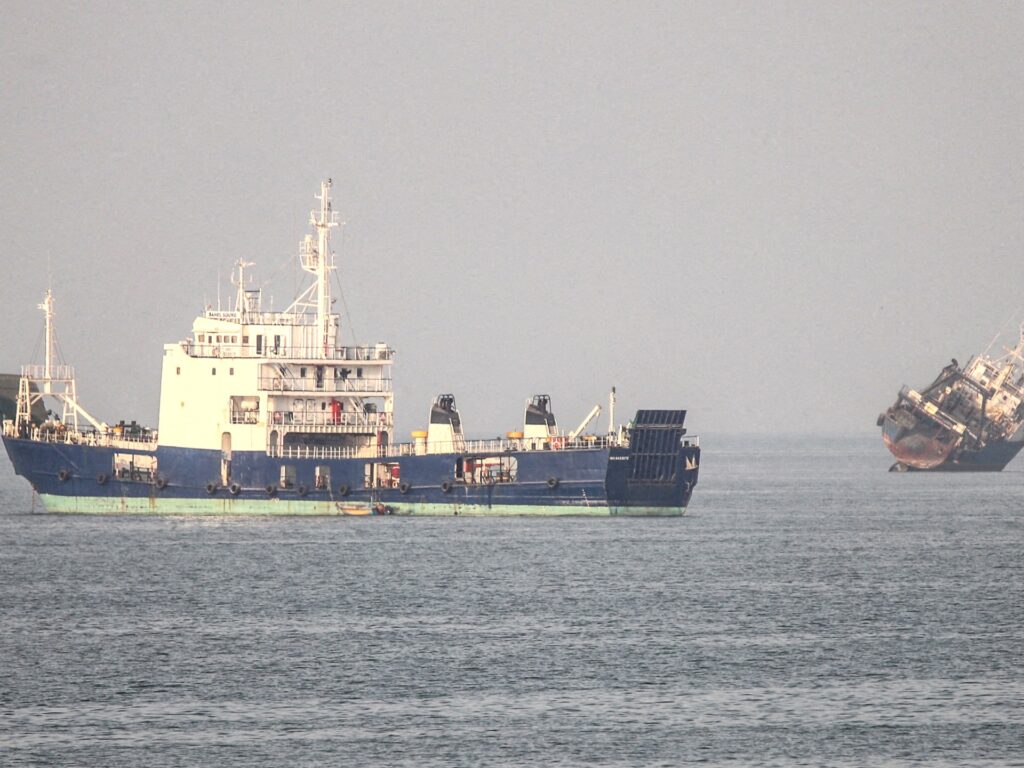
The ongoing conflict involving Iran has drawn international focus as diplomatic efforts continue to unfold, with Qatar playing a pivotal role in mediation. Recent developments have heightened tensions, notably with a vessel being hit in the strategic Strait of Hormuz, a crucial chokepoint for global oil shipments.
Qatar’s diplomatic initiatives are aimed at de-escalating the situation and opening channels of communication between conflicting parties. These efforts are being closely monitored by regional and global powers concerned about the potential for further escalation.
In a significant statement, the US President confirmed that talks with Iran are currently underway. These negotiations are emphasized as Tehran’s ‘last chance’ to secure a deal, highlighting the urgency and importance of these discussions. The President’s warning underscores the high stakes involved and the international community’s desire for a peaceful resolution.
The incident involving the vessel in the Strait of Hormuz has added complexity to the situation, raising security concerns among maritime and energy market stakeholders. The strait is a vital route for approximately one-fifth of the world’s petroleum, making any disruption particularly impactful on global markets.
The geopolitical implications of these events are profound, with multiple countries expressing concern over the potential spillover effects of the conflict. Allies and adversaries alike are watching closely, as the outcomes of these diplomatic talks and the response to maritime security incidents will shape the region’s stability.
Analysts suggest that the negotiations could determine the future trajectory of Iran’s relations with the international community, particularly concerning sanctions, nuclear agreements, and regional influence. Successful diplomacy may pave the way for renewed partnerships and reduced hostilities, while failure could lead to intensified conflict and economic repercussions.
The international community continues to advocate for restraint and dialogue, urging involved parties to seize the opportunity presented by ongoing negotiations. Qatar’s role as a mediator is seen as crucial in bridging divides and facilitating constructive engagement.
As the situation evolves, attention remains on forthcoming statements from involved governments and the progress of diplomatic talks. The coming days are expected to be critical in shaping the region’s security landscape and the prospects for a peaceful resolution.
In summary, the current Iran conflict is marked by active diplomatic efforts, urgent negotiations led by the US and mediated by Qatar, and heightened tensions evidenced by an attack on a vessel in the Strait of Hormuz. The world watches closely, hoping for a breakthrough that averts further escalation and promotes lasting peace.