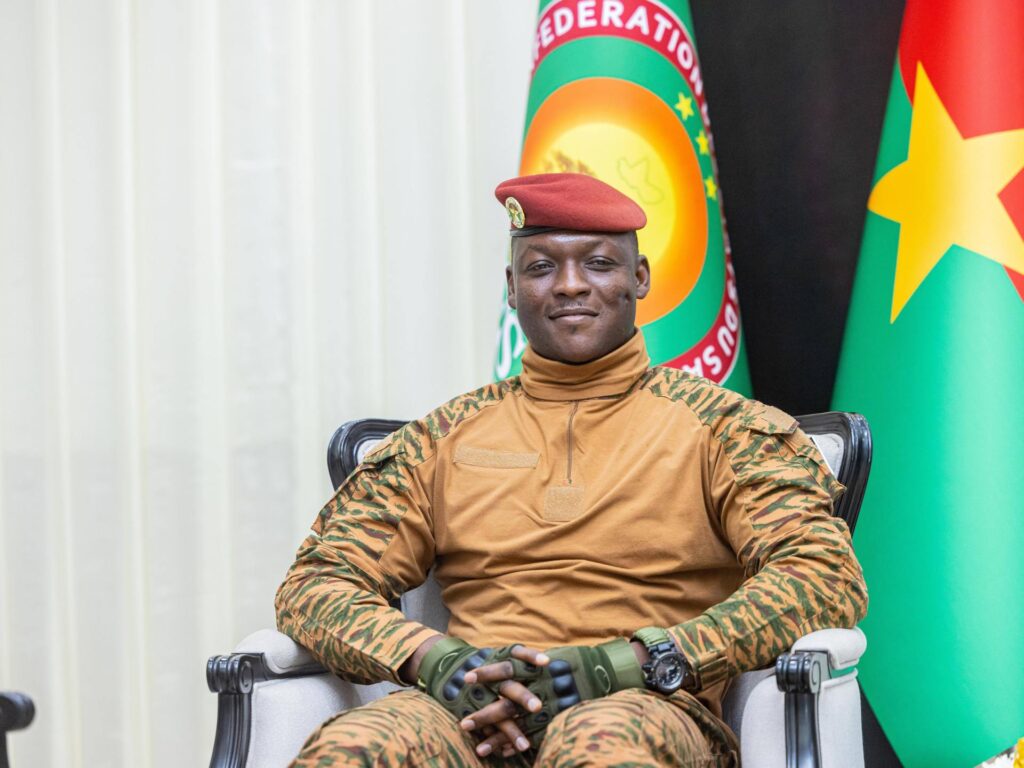
Ibrahim Traore, the leader of Burkina Faso, has emerged as a popular figure not only within his own country but across Africa. His message of sovereignty and self-reliance has resonated deeply with many who are seeking stronger leadership and independence from foreign influence. However, despite the widespread support for his ideas, Traore’s leadership faces significant scrutiny when it comes to his performance and record at home.
Burkina Faso is a country grappling with multiple challenges including political instability, economic difficulties, and security threats posed by insurgent groups. Traore’s ascendancy was initially welcomed by many citizens hopeful for change and progress. His strong advocacy for national sovereignty struck a chord with those disillusioned with former governments deemed too compliant to external powers.
Yet, governing Burkina Faso is proving to be a complex reality for Traore. Domestically, the expectations are high, and the pressures are intense. Citizens and analysts alike are closely watching how his administration addresses issues like corruption, public service delivery, and the ongoing fight against terrorism that has destabilized large parts of the country.
Traore’s message has found support in other African nations that share similar histories of colonialism and Western intervention. His stance challenges the status quo and calls for an African-led approach to development and security. This pan-African appeal boosts his standing on the continent, potentially positioning Burkina Faso as a key player in regional affairs.
However, the leadership test lies within Burkina Faso’s borders. The government’s capacity to improve economic conditions, enhance security, and maintain political stability will determine Traore’s long-term legitimacy. While his rhetoric has garnered international attention, tangible improvements in everyday life for Burkinabe people remain essential.
Critics argue that emphasizing sovereignty must also entail accountability and good governance, elements that are crucial for sustainable progress. If Traore’s administration cannot effectively address internal problems, the initial enthusiasm may wane, and the country could face further instability.
In summary, Ibrahim Traore’s vision for Burkina Faso and Africa represents a hopeful path forward for many. Yet, the reality test he faces includes translating inspiring ideals into concrete outcomes that benefit his nation. The global and regional spotlight on his leadership will continue, but ultimately, it is the will and welfare of Burkina Faso’s citizens that will decide his success or failure.