The United States has maintained a blockade on Cuba for over six decades, positioning it as a key aspect of its foreign policy particularly during the Cold War era. The blockade, or embargo, is intended to isolate Cuba economically and politically, with the broader aim of thwarting its government, which Washington has long deemed a threat. Recently, under the Trump administration, restrictions on Cuba were escalated, citing continued threats to national security and warning that Havana remains a source of instability.
The rationale behind the US blockade stems from concerns about Cuba’s close alliance with adversarial countries, its communist government, and alleged support for activities contrary to US interests. Proponents argue that the blockade is necessary to contain a regime that violates human rights and could serve as a base for hostile actors. It’s presented as a tool to pressure Cuba to adopt democratic reforms and respect for civil liberties.
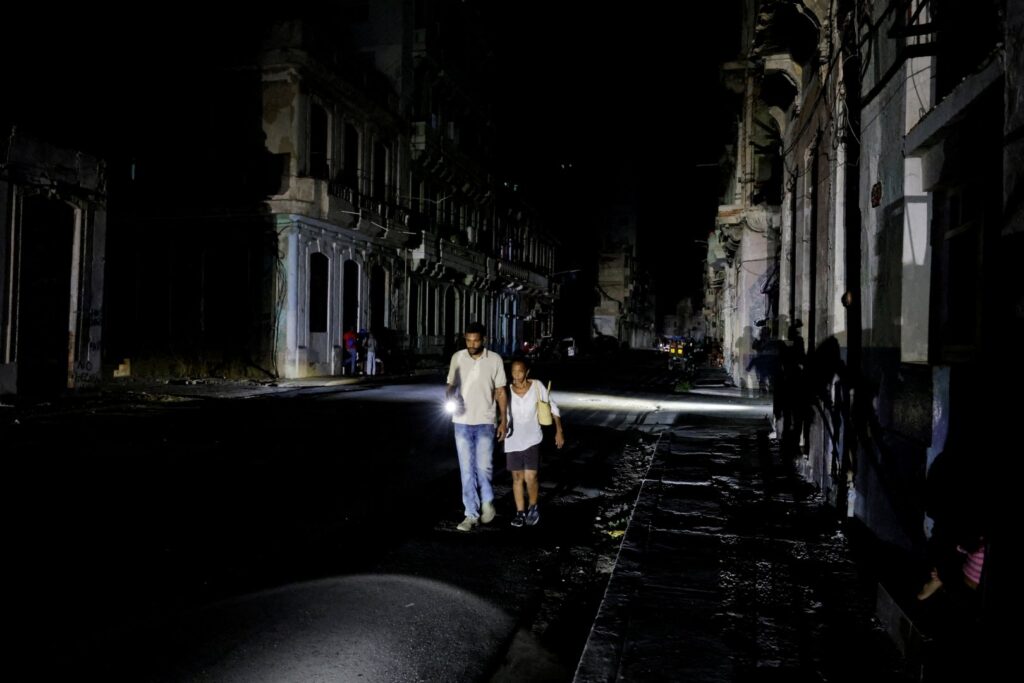
However, the effectiveness of the embargo in making America safer is a subject of intense debate. Critics contend that despite the longstanding blockade, Cuba has not undergone significant political change, and the government retains control with limited reform. Moreover, the blockade has created economic hardship for the Cuban people, contributing to anti-American sentiment rather than curbing ideological threats.
From a security standpoint, the direct threat posed by Cuba to the United States today is minimal compared to the Cold War period. The geopolitical landscape has evolved significantly, and Cuba no longer serves as a staging ground for military threats against the US mainland. Instead, experts argue that diplomatic engagement and normalization of relations might be more effective in fostering security and stability in the region.
The Trump administration’s decision to tighten restrictions reflects an approach focused on maximum pressure, reaffirming Cuba as a security concern. This stance is rooted partly in the desire to support dissidents within Cuba and deter influence from US adversaries, such as Russia and China, who have sought closer ties with Havana. However, critics say this hardline policy risks undermining regional cooperation and ignores the potential benefits of renewed dialogue.
In summary, while the blockade was initially conceived as a national security measure, its continued efficacy in that regard is questionable. The story of US-Cuba relations demonstrates the complexities of balancing hardline policies with the changing realities of international affairs. Whether the blockade ultimately makes America safer depends on a broader strategy that considers diplomatic, economic, and humanitarian dimensions, rather than relying solely on punitive restrictions.