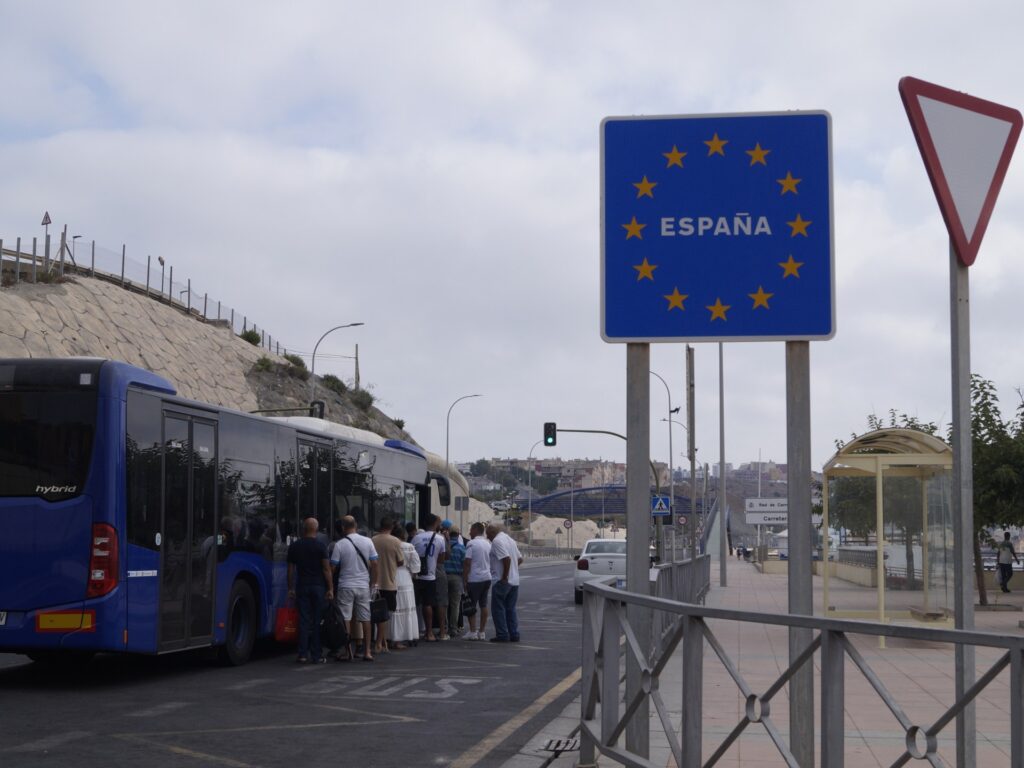
Spain’s possession of enclaves in North Africa, specifically Ceuta and Melilla, is a unique and historically rich situation influenced by geographical proximity and colonial history. These Spanish territories lie on the northern coast of Africa, bordering Morocco, and are remnants of Spain’s extensive involvement in maritime and territorial expansion during the age of exploration and empire building.
The history of these enclaves dates back several centuries. Ceuta was seized by Portugal in 1415 and later came under Spanish control after the Iberian Union in 1580. Melilla was occupied by Spain in 1497, during a period marked by European powers expanding their territories beyond continental borders.
Located strategically on the Mediterranean coast, these enclaves served important military and trade functions. They acted as gateways for commerce and naval operations between Europe and Africa as well as crucial outposts for controlling maritime routes.
After the decline of colonial empires, most African territories gained independence; however, Ceuta and Melilla remained under Spanish sovereignty due to their long-standing administrative integration and the continuous presence of Spanish populations.
The status of these enclaves has been a point of diplomatic tension between Spain and Morocco, which claims sovereignty over them. Despite disputes, Spain maintains that Ceuta and Melilla are integral parts of its national territory governed under Spanish law.
These enclaves are notable not only for their geopolitical significance but also for their cultural and economic dynamics. They are melting pots of Spanish and North African influences, reflected in their architecture, cuisine, and demographics.
Furthermore, their geographic position makes them critical points in controlling immigration and customs enforcement between Africa and Europe. The border fences and monitoring in these enclaves serve to regulate the flow of people and goods.
In summary, Spain’s enclaves in North Africa are a legacy of its imperial past and strategic maritime interests. They continue to symbolize complex interactions of history, geography, politics, and culture, reinforcing Spain’s presence on the African continent despite being surrounded by Moroccan territory.