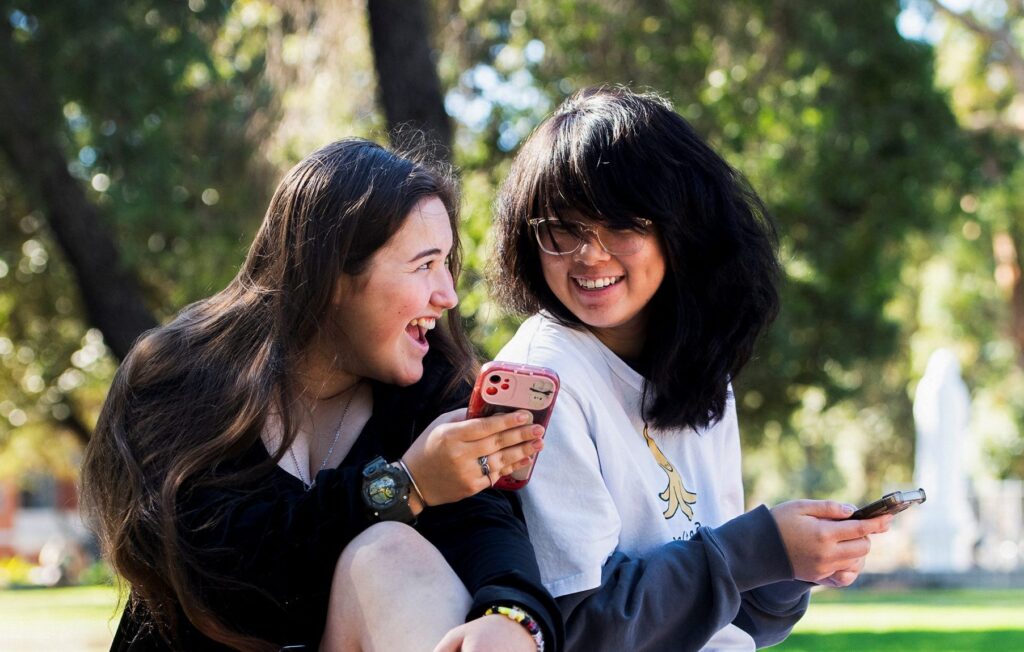
Australia’s internet regulator has recently released a study indicating that the country’s ban on social media use for children under the age of 16 is not effectively preventing teenagers from accessing these platforms. Despite the law’s intent to protect younger users from potential online harms such as cyberbullying, exposure to inappropriate content, and addiction, many teenagers are finding ways around the restrictions.
The study highlights several key findings:
1. Wide Usage Despite Restrictions: A significant number of teenagers aged 13 to 15 reported having active accounts on popular social media platforms like Instagram, TikTok, and Snapchat, despite the age ban.
2. Evasion Techniques: Many teens are circumventing the ban by lying about their age during account creation or using parental accounts to access social media services.
3. Enforcement Challenges: The internet regulator flagged difficulties in enforcing the age restrictions due to the reliance on self-reported data and the ease of creating multiple accounts.
4. Impact on Mental Health: The ban was initially aimed at shielding young users from mental health issues exacerbated by social media, but the ongoing access suggests the need for alternative protective measures.
Experts argue that while the ban is well-intentioned, it may not be practical given the digital savvy of today’s youth and their digital-first interaction habits. Instead, there is a growing call for education-focused approaches, emphasizing digital literacy and responsible social media usage to equip teenagers with the skills they need to navigate online spaces safely.
Parents and educators are encouraged to engage in open conversations with children about online risks and benefits, helping them develop healthy social media habits. Additionally, social media companies are urged to strengthen in-app age verification processes and provide better parental controls.
The study’s findings suggest that merely restricting access does not address the underlying challenges of youth engagement with social media. A multifaceted approach that combines regulation, education, and technological innovation might be more effective in protecting young users.
Australia’s experience contributes to a global conversation about how societies can best safeguard children in an increasingly digital world. Countries with similar bans or restrictions are closely monitoring the outcomes and considering similar shifts toward more comprehensive strategies.
In conclusion, the failure of Australia’s under-16 social media ban to fully prevent youth access calls for rethinking current policies. Emphasizing education, technological safeguards, and parental involvement may lead to more sustainable and positive impacts on young people’s online experiences.