The people of Iran are grappling with a growing sense of uncertainty as U.S. President Donald Trump’s fluctuating statements on potential conflict and diplomatic negotiations keep the country on edge. Trump’s on-again, off-again rhetoric regarding war with Iran and reopening diplomatic talks has created a national feeling of anxiety and apprehension.
Over recent months, President Trump has alternated between threatening military action and suggesting openness to negotiations, leaving Iranians unsure about what to expect next. This unpredictability has fueled tensions within the country, as citizens and officials alike try to interpret what the U.S. leader’s comments might mean for their future.
Iranian officials have expressed frustration with the inconsistent signals coming from Washington. While some view the possibility of resumed negotiations as a glimmer of hope for easing sanctions and international pressure, others see the continual war talk as a dangerous game that could destabilize the region further.
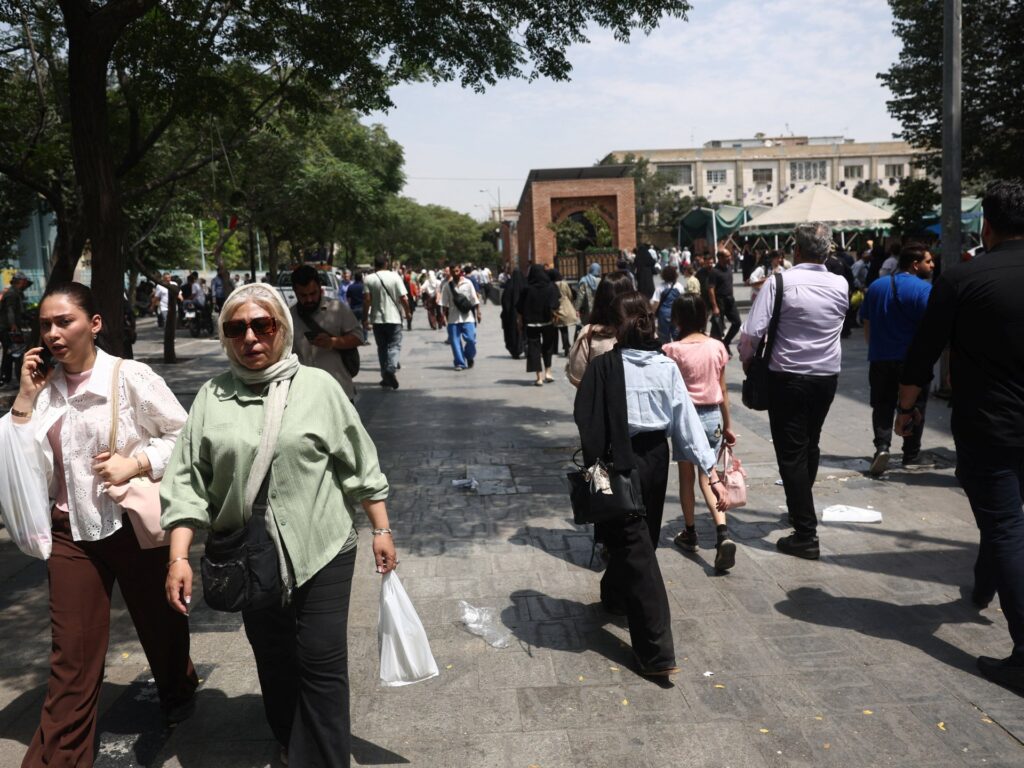
The impact of these mixed messages is felt throughout Iranian society. Economically, businesses and markets remain volatile as investors react to the uncertainty. Socially, families and communities live in fear of escalation, with many preparing for the worst-case scenarios while hoping for peaceful solutions.
International observers have noted that Trump’s erratic approach complicates efforts by global powers to engage with Iran on critical issues such as nuclear proliferation and regional security. Allies and adversaries alike are seeking clarity amidst the confusion.
For Iranians, the stakes are high. The country has already endured years of harsh sanctions that have severely impacted daily life. The prospect of renewed conflict could exacerbate these hardships drastically. Conversely, a genuine diplomatic breakthrough could offer a pathway to relief and stability.
At the heart of this uncertainty is the human dimension: millions of Iranians want peace and security but feel caught in the crossfire of geopolitical maneuvering. As Trump’s statements continue to shift, so too does the collective mood within Iran—oscillating between hope and fear.
Experts suggest that for any meaningful progress to occur, consistent and clear communication is essential. Diplomacy requires predictability and trust, qualities that have been undermined by frequent shifts in U.S. policy statements.
As the international community watches closely, Iranians remain vigilant, hoping for a resolution that will allow their country to emerge from this prolonged period of unpredictability. Until then, life in Iran will be marked by caution and concern, as each new comment from President Trump triggers fresh waves of speculation and anxiety.
In summary, the on-again, off-again tenor of President Trump’s approach toward Iran has installed a deep uncertainty among Iranians. Whether the next phase brings conflict or dialogue, the impacts on the nation’s people will be profound, underscoring the critical need for steadiness and sincerity in international relations.