Palestine Action, a militant activist group known for its direct actions against arms manufacturers linked to Israel, has recently been proscribed as a terrorist organization by the UK government. This move has thrown the group, its supporters, and the broader activist community into a state of upheaval.
Palestine Action garnered attention over the past few years by targeting factories and companies they accuse of contributing to the Israeli military’s arsenal. Their protests have included occupations, blockades, and sabotage of facilities involved in the production and supply of weapons used in the Israeli-Palestinian conflict.
The UK’s decision to label Palestine Action as a terrorist organization is rooted in concerns over their militant tactics and potential to incite violence. Government officials argue that their actions go beyond legitimate protest and that they pose serious risks to public safety and national security.
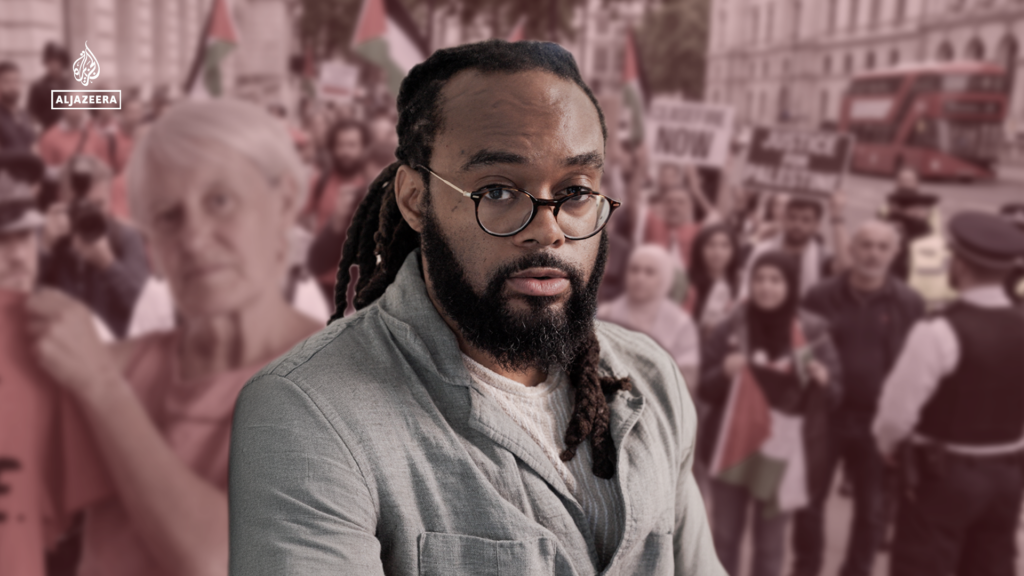
Following the proscription, thousands of individuals connected to Palestine Action protests have been arrested or are under investigation. The scale of the crackdown has raised questions about civil liberties, the limits of protest rights, and the government’s approach to activism perceived as extreme.
Supporters of Palestine Action argue that their tactics are a form of civil disobedience aimed at ending the arms trade feeding the conflict in Palestine. They maintain that the group’s actions are non-violent and morally justified, focusing on property damage rather than harm to individuals.
Critics, however, insist that the use of sabotage and disruption crosses a line, potentially endangering workers at targeted facilities and escalating tensions rather than fostering peaceful dialogue.
The repercussions of the proscription have extended beyond arrests. Several supporters report difficulties in organizing protests, with increased surveillance and police presence at demonstrations. This has led to a chilling effect on wider activism related to the Israeli-Palestinian conflict in the UK.
Human rights organizations have voiced concern about the broad scope of the UK government’s measures, warning that the label of terrorism can be used to suppress legitimate dissent and hamper freedom of expression.
Meanwhile, the activists themselves remain defiant. Palestine Action continues to publish statements and updates despite the legal risks. Their narrative emphasizes resistance against what they describe as injustice and complicity in war crimes.
Analysis of the situation reveals a complex interplay between security concerns and democratic freedoms. While governments have a duty to prevent violence, balancing this against the right to protest is a perennial challenge, especially in conflict-sensitive contexts.
The UK government’s decision could set a precedent for how activist groups involved in contentious political causes might be treated in the future. It also underscores the heightened sensitivities surrounding the Israeli-Palestinian conflict and its ripple effects in international politics.
For many on the ground, the proscription of Palestine Action has heightened tensions and polarized opinions further. It remains to be seen whether this strategy will diminish the group’s influence or drive the movement underground, potentially exacerbating the risks the government aims to mitigate.
In sum, the proscription of Palestine Action and the resultant wave of arrests represent a significant moment in the ongoing struggle over activism, security, and the right to challenge global injustices through protest. The unfolding developments will continue to shape the landscape of political activism in the UK and reverberate through the broader discourse on the Israeli-Palestinian conflict.