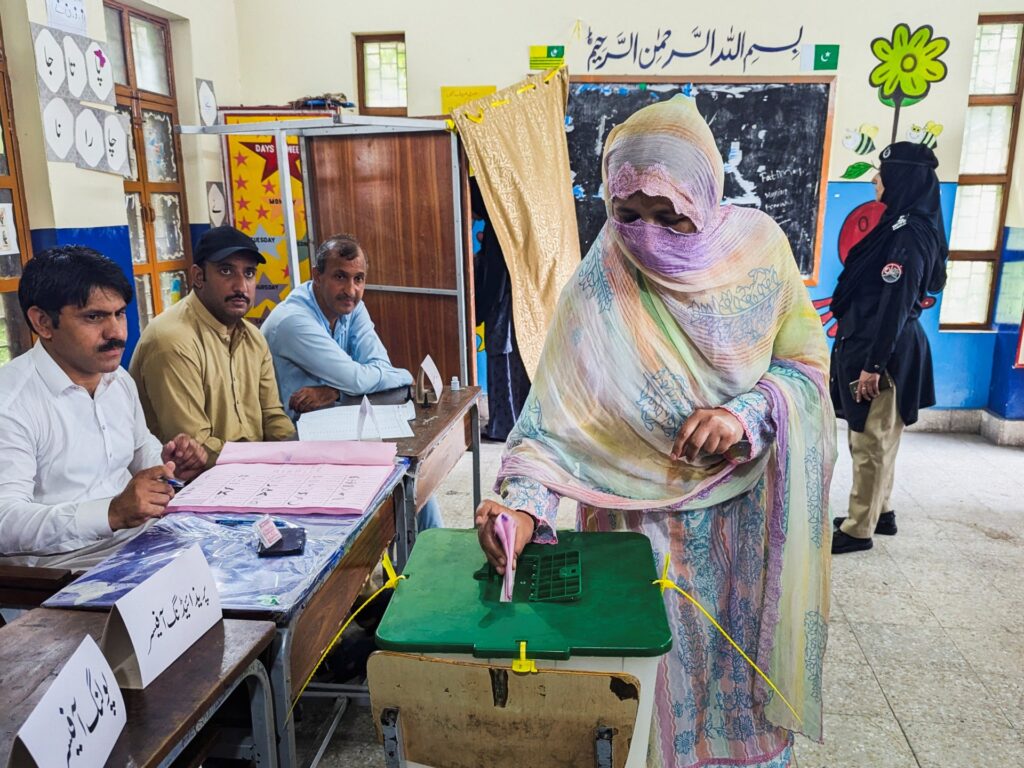
The recent regional elections in Pakistan-administered Kashmir have been overshadowed by widespread protests, boycotts, and violent clashes. The second round of polls, held amid heightened tensions, has brought to the forefront the intensified demands for electoral reforms by various groups.
The electoral process in this region is traditionally fraught with challenges, but this election cycle stands out due to the scale of unrest and widespread dissatisfaction expressed by local communities. Protestors and opposition groups have accused the administration of unfair practices and electoral malpractices, which they claim undermine the democratic process.
Several political factions and civil society organizations called for a boycott of the elections, arguing that the current election framework does not ensure transparency or公平 representation of the diverse population of the region. This boycott significantly affected voter turnout and raised concerns about the legitimacy of the election results.
Clashes between security forces and demonstrators were reported in several parts of Kashmir, resulting in injuries and arrests. These confrontations have escalated tensions further, highlighting the deep divisions within the region over the political future and governance.
The administration has stated that all necessary steps were taken to conduct the elections in a free and fair manner. Officials emphasized their commitment to ensuring security and facilitating voter participation despite the protests and calls for boycott.
However, the ongoing unrest has cast a shadow over what was expected to be a crucial step in local governance and political expression. Analysts suggest that the dispute over electoral integrity might lead to prolonged political instability in Pakistan-administered Kashmir.
Residents and political commentators alike are calling for a dialogue between the government, election commission, and dissenting groups to address the underlying issues that have led to the current stand-off. There is a growing consensus that without meaningful electoral reforms and assurances of fairness, future elections may also face similar challenges.
This election cycle has once again underscored the complex political landscape of Pakistan-administered Kashmir, where the quest for democratic representation is intertwined with deep-seated political and social tensions. The international community and regional stakeholders continue to watch the developments closely, hoping for a peaceful resolution and inclusive political process moving forward.