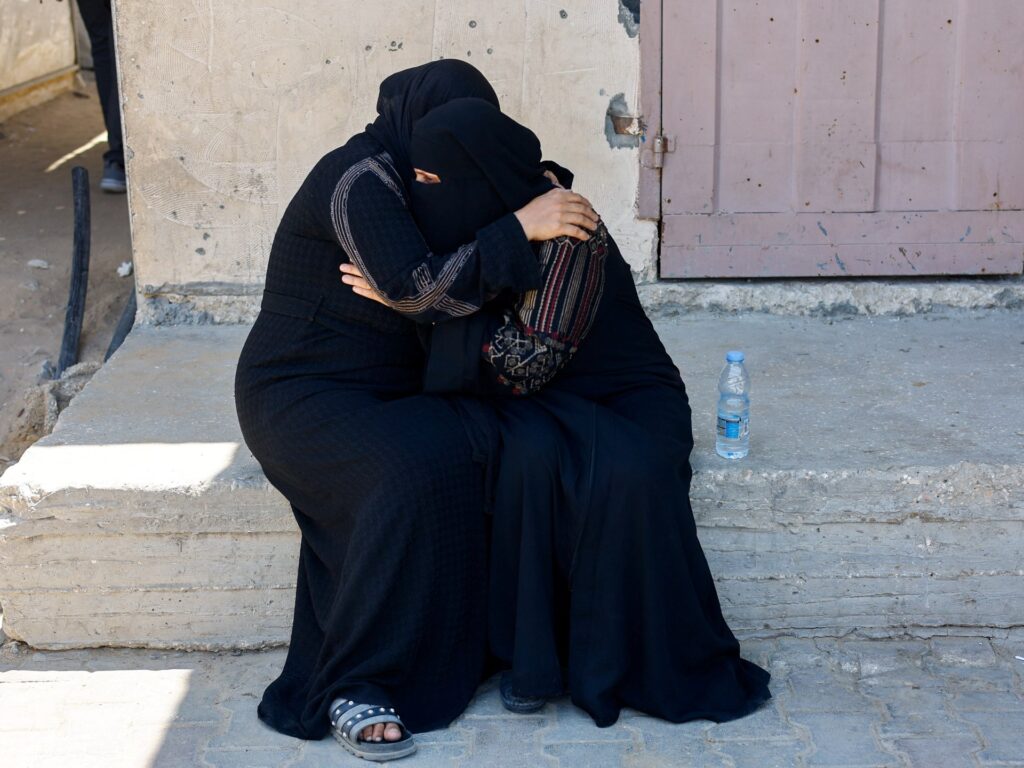
In a significant development that undermines the US-backed peace initiative, Israel has intensified its military operations in the Gaza Strip while simultaneously advancing hardline demands in the ongoing conflict. This escalation comes as a direct challenge to the peace roadmap championed by former US President Donald Trump, which aimed to resolve the long-standing Israeli-Palestinian conflict through diplomatic means.
The recent surge in violence has resulted in a sharp increase in casualties and widespread destruction across Gaza. Israeli forces have launched a series of airstrikes targeting key militant positions, infrastructure, and suspected weapons caches. These military actions have been met with fierce resistance from various militant groups within Gaza, further fueling the cycle of violence.
Despite international calls for restraint, Israel’s government has remained steadfast in its approach, citing security concerns and the need to dismantle terrorist networks operating in the area. However, critics argue that the hardline tactics undermine prospects for peace and exacerbate humanitarian suffering among Palestinian civilians.
The US-backed peace plan, unveiled during Trump’s administration, proposed a framework that included territorial compromises, security arrangements, and economic incentives to encourage both parties toward a lasting agreement. Israel’s recent actions and demands appear to draw away from these proposals, signaling a potential shift toward a more unilateral strategy that prioritizes military dominance over negotiated settlement.
Analysts warn that the escalation risks destabilizing an already volatile region, complicating efforts by international actors to mediate the conflict. The intensification of hostilities threatens to derail diplomatic initiatives and may provoke further retaliations, leading to a protracted cycle of violence.
Humanitarian organizations have expressed deep concern over the impact of the Israeli offensive on Gaza’s civilian population, highlighting shortages of medical supplies, displacement, and infrastructure damage. Efforts to deliver aid have been hampered by the ongoing military operations, further exacerbating the humanitarian crisis.
Meanwhile, diplomatic channels remain strained as the US administration grapples with balancing its longstanding support for Israel with calls for de-escalation and renewed peace talks. Regional actors have also voiced apprehensions, warning that continued aggression could ignite wider conflict involving neighboring countries.
In summary, Israel’s decision to escalate military attacks on Gaza while pushing hardline demands poses a significant challenge to the Trump-era peace blueprint. The escalating violence not only threatens immediate security but also undermines long-term prospects for a peaceful resolution to one of the world’s most enduring conflicts. International stakeholders now face the urgent task of reengaging dialogue and seeking pathways to de-escalation to prevent further deterioration of the situation in Gaza and beyond.