Elections in Pakistan-administered Kashmir have become a focal point of tension and conflict, marked by deadly protests, internet blackouts, and calls for a boycott. The controversy centers around the allocation of refugee seats, which has sparked widespread anger among various political groups and local residents.
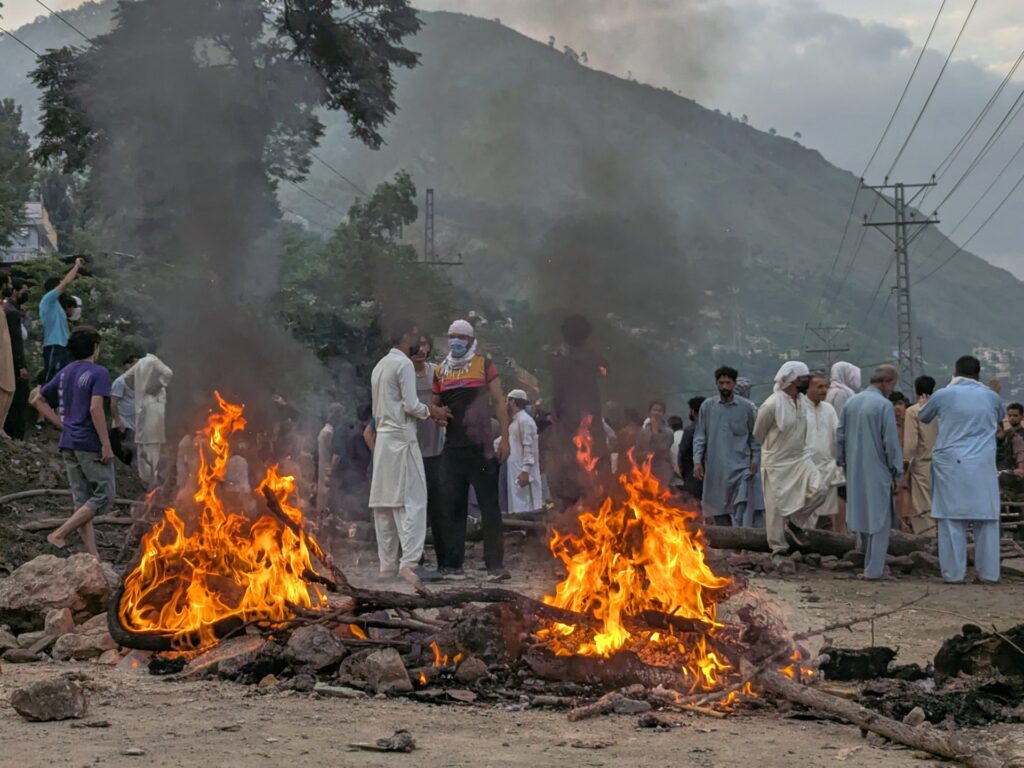
The root of the unrest lies in the contested refugee seats that many feel have been allocated unfairly, leading to accusations of manipulation and disenfranchisement. Protests erupted shortly before the scheduled elections, with demonstrators expressing their frustration against what they perceive as a rigged system favoring certain groups.
The protests escalated quickly, resulting in violence and fatalities. Security forces responded with measures meant to maintain order, including imposing internet blackouts to prevent the spread of misinformation and to control the narrative. Despite these efforts, the situation has remained volatile.
In response to the unrest, the authorities decided to implement staggered elections. This approach is aimed at minimizing crowds, reducing the potential for clashes, and allowing security forces to better manage the election process. However, this measure has not been sufficient to quell the unrest or the widespread calls for a boycott.
Calls for boycotting the elections have gained momentum from various political factions and civil society groups who argue that participating under the current conditions would legitimize a flawed electoral process. They assert that without addressing the core issues of refugee seat allocation and ensuring fair representation, the elections cannot be free or fair.
The internet blackout has had significant implications for residents, hindering communication and access to information. Human rights organizations have criticized this move, emphasizing the importance of transparency and the right to information during such critical events.
The political climate in Pakistan-administered Kashmir remains highly charged, with uncertainties surrounding the election outcomes and the potential for further violence. The international community has expressed concerns over the situation, calling for peaceful dialogue and respect for democratic principles.
As the elections proceed under these challenging circumstances, all eyes remain on Pakistan-administered Kashmir to see how the situation evolves and whether a path toward peaceful resolution and legitimate representation can be found. This scenario underscores the complexities and sensitivities involved in electoral politics within disputed regions, where the stakes are not just political but also tied to broader issues of identity, governance, and human rights.